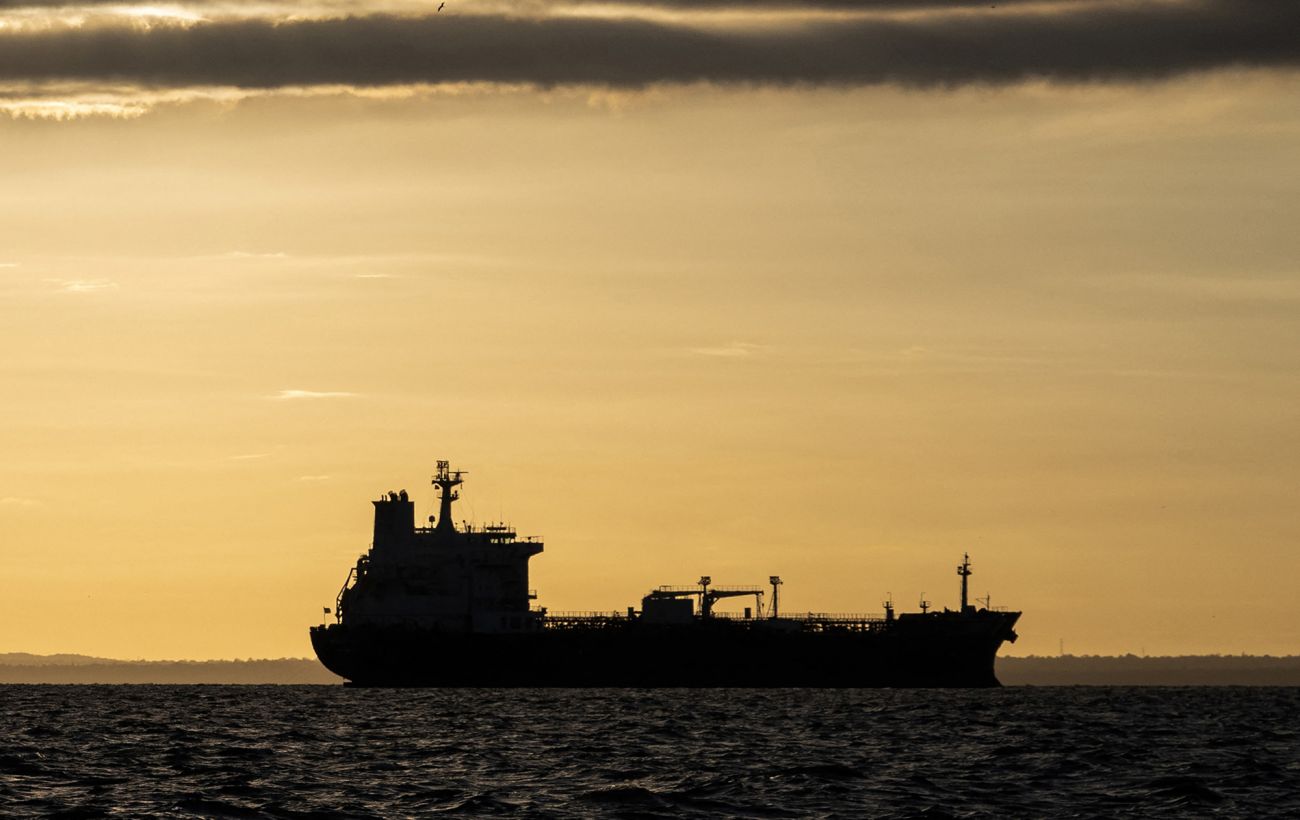
Several oil tankers have changed their routes in the Persian Gulf following attempts to navigate the Strait of Hormuz. Shipowners and traders are assessing whether Iran can ensure safe passage through this crucial maritime route.
At least six vessels, including Greek and Indian tankers, were en route to Hormuz from areas near Dubai, all carrying oil. However, on the morning of April 18, they began to adjust their courses.
Some of these ships are currently near Iran’s Qeshm Island, while others have effectively halted their movements. One tanker has stopped transmitting its location signal altogether.
Collectively, these vessels are transporting approximately 8.3 million barrels of oil. Their transit could represent the largest volume of shipments through the strait in a single day since the onset of regional conflicts.
Despite Iran’s claims of reopening the Strait of Hormuz, the situation remains contentious. Iranian sources have indicated the possibility of closing the passage again if U.S. sanctions persist.
Industry sources report that shipowners have received radio warnings to coordinate their passage with Iranian military authorities.
Meanwhile, other vessels in the region are also altering their courses. Some tankers carrying liquefied gas and petroleum products have turned back towards the Gulf of Oman.
The maritime situation in the Strait of Hormuz has become increasingly complex amid conflicting signals from the involved parties. Following reports of a potential ceasefire, Iran announced the reopening of the strait for commercial vessels during a 10-day truce between Israel and Hezbollah.
This announcement had an immediate impact on the markets, with oil prices experiencing a sharp decline, and Brent crude losing over 10% of its value.
Further uncertainty is introduced by U.S. President Donald Trump’s stance, as he stated that the maritime blockade on vessels heading to Iranian ports will remain in place until a broader long-term agreement is reached. This implies that, despite the formal reopening of the strait, risks for maritime navigation remain elevated.
Oil tankers in the Persian Gulf have altered their routes amid concerns over safe passage through the Strait of Hormuz. Despite Iran's claims of reopening the strait, uncertainties persist due to U.S. sanctions and military coordination requirements.