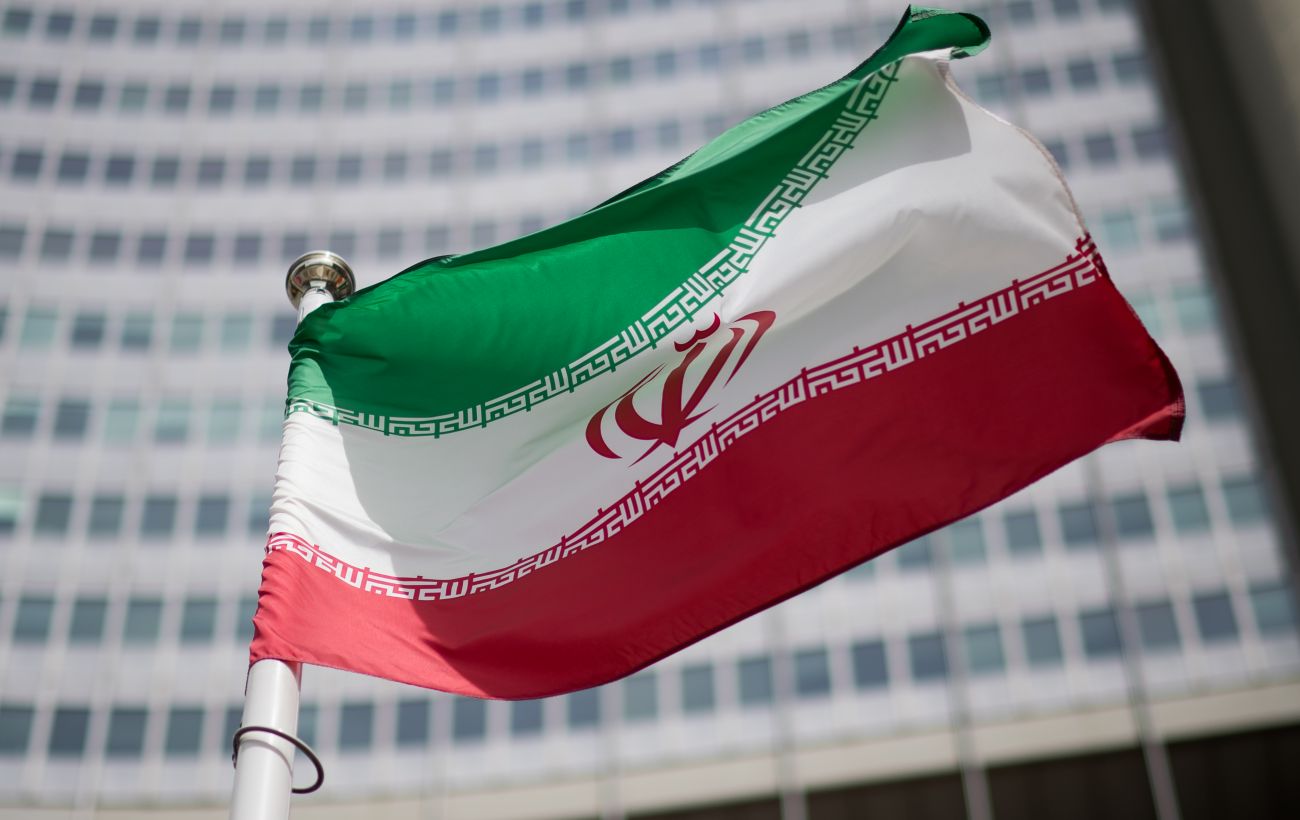
Iran has officially dismissed the recent extension of a ceasefire announced by the United States, asserting that it will act in accordance with its national interests. This development highlights the ongoing tensions between the two nations, particularly in the context of military and diplomatic engagements.
Rejection of Ceasefire
According to Iranian state media, Tehran does not recognize the decision made by former President Donald Trump regarding the continuation of the ceasefire. Mahdi Mohammadi, an advisor to the Iranian parliament speaker, expressed concerns that extending the ceasefire would provide the US with an opportunity to launch further attacks on Iran.
“The continuation of the maritime blockade represents an ongoing hostility. As long as the blockade remains, Iran will not open the Strait of Hormuz and may resort to force if necessary,” officials in Tehran stated.
Cancellation of Vice President’s Visit
The White House confirmed that US Vice President Jay D. Vance has canceled his planned trip to Islamabad, where he was set to lead an American delegation in a new round of negotiations with Iran. This cancellation follows Iran’s prior refusal to participate in the talks, which it labeled as a “waste of time.”
It is important to note that the first round of negotiations in Islamabad concluded on April 12 without any significant outcomes. Vice President Vance indicated that the discussions lasted over 21 hours, yet no agreement was reached due to Iran’s failure to provide firm assurances against developing nuclear weapons.
On April 20, Donald Trump issued a warning of “bomb explosions” if an agreement was not achieved, emphasizing that the US demands Iran’s complete renunciation of its nuclear ambitions.
Iran has rejected the US's extension of a ceasefire, citing national interests and ongoing hostilities. This rejection coincides with the cancellation of a planned diplomatic visit by the US Vice President, further straining relations between the two nations.