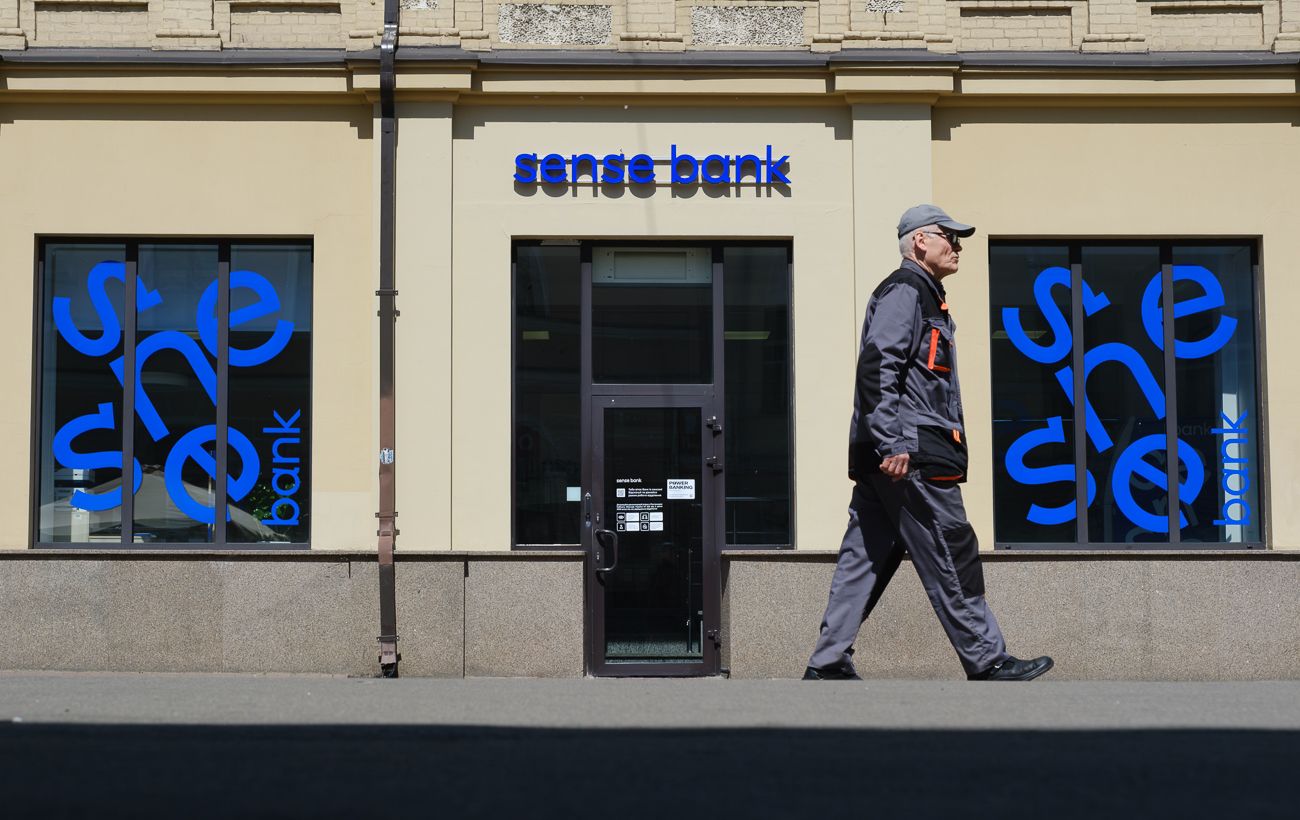
The Ukrainian banking sector is grappling with a significant state ownership burden, exceeding 60%. In response to International Monetary Fund (IMF) demands for market liberalization, Sense Bank, alongside Ukrgasbank, has been designated as a priority for privatization. However, allegations of corruption are complicating the path to potential deals.
President Volodymyr Zelensky has mandated the completion of Sense Bank’s privatization by the end of 2026, emphasizing the need for liberalization in the banking sector to enhance entrepreneurial opportunities. This directive comes amid a scandal involving alleged external influence over the bank’s supervisory board.
Sense Bank, previously known as Alfa-Bank Ukraine, remains a systemically important and profitable institution, ranking ninth in the country by asset volume. However, experts cite the need for comprehensive due diligence as a significant hurdle for potential investors.
The recent scandal, dubbed “Mindyichgate,” has brought renewed scrutiny to the bank. Audio recordings allegedly linked to a National Anti-Corruption Bureau (NABU) investigation reveal discussions between businessman Oleksandr Tsukerman and Vasyl Veselyi, purportedly an intermediary for the President’s Office, regarding the composition of the bank’s supervisory board. Following these revelations, President Zelensky reiterated the urgency of privatizing the bank without delays.
The scandal has prompted immediate action at the highest levels of government. Following a meeting with Prime Minister Yulia Svyrydenko, Zelensky stated that the decision to privatize has been made and must be executed within the year.
In the context of the ongoing “Mindyichgate” scandal, which involves allegations of corruption in defense and energy sectors, Sense Bank has emerged as a symbol of the challenges facing state-owned entities. The bank’s privatization is part of Ukraine’s commitment to reduce state ownership in the banking sector, which has surged due to the war.
On May 5, Deputy Head of the National Bank of Ukraine (NBU) Dmytro Oliinyk publicly defended the legality of the nationalization process initiated in July 2023. The NBU maintains that the bank was nationalized due to threats to financial stability and the interests of depositors, following sanctions against its previous owners.
Despite the NBU’s assurances, internal concerns persist regarding potential personal accountability for officials involved in the nationalization process. The ongoing investigation into the bank’s supervisory board composition has further complicated the situation.
The fallout from the scandal has already begun, with the head of the supervisory board, Mykola Hladyshchenko, temporarily stepping down during the NBU’s investigation. Piotr Novak, a former Polish Minister of Economy, has taken over as interim head of the supervisory board and affirmed that privatization plans remain unchanged.
The timeline for privatization is officially set, with the government planning to select an international advisor by the end of June 2026, followed by the sale of the bank. However, market participants express skepticism about the feasibility of these timelines, citing the challenges of adhering to legal procedures.
While there is no shortage of interested buyers, the valuation of the bank remains uncertain. As of mid-2025, Sense Bank’s assets were valued at 153.12 billion UAH, with a statutory capital exceeding 28.7 billion UAH. The bank’s profitability, with earnings of 2.7 billion UAH in 2023, is overshadowed by the complexities of its valuation in a wartime economy.
Potential buyers may include distressed asset funds or strategic investors willing to enter the Ukrainian market amid expectations of post-war recovery. However, ongoing scandals could deter major investors concerned about reputational risks associated with the bank.
As the privatization process unfolds, the NBU’s recent statements indicate that the first dividends from the bank may not be realized until 2028, raising questions about the timing of the sale.
In summary, the privatization of Sense Bank is intertwined with broader economic reforms mandated by the IMF, aimed at reducing state involvement in the banking sector. The complexities surrounding the bank’s reputation and ongoing investigations pose significant challenges for a successful sale.
The privatization of Sense Bank in Ukraine faces significant hurdles, including ongoing corruption allegations and the need for thorough due diligence. President Zelensky has mandated a swift transition to private ownership, but market skepticism and reputational risks complicate the process.