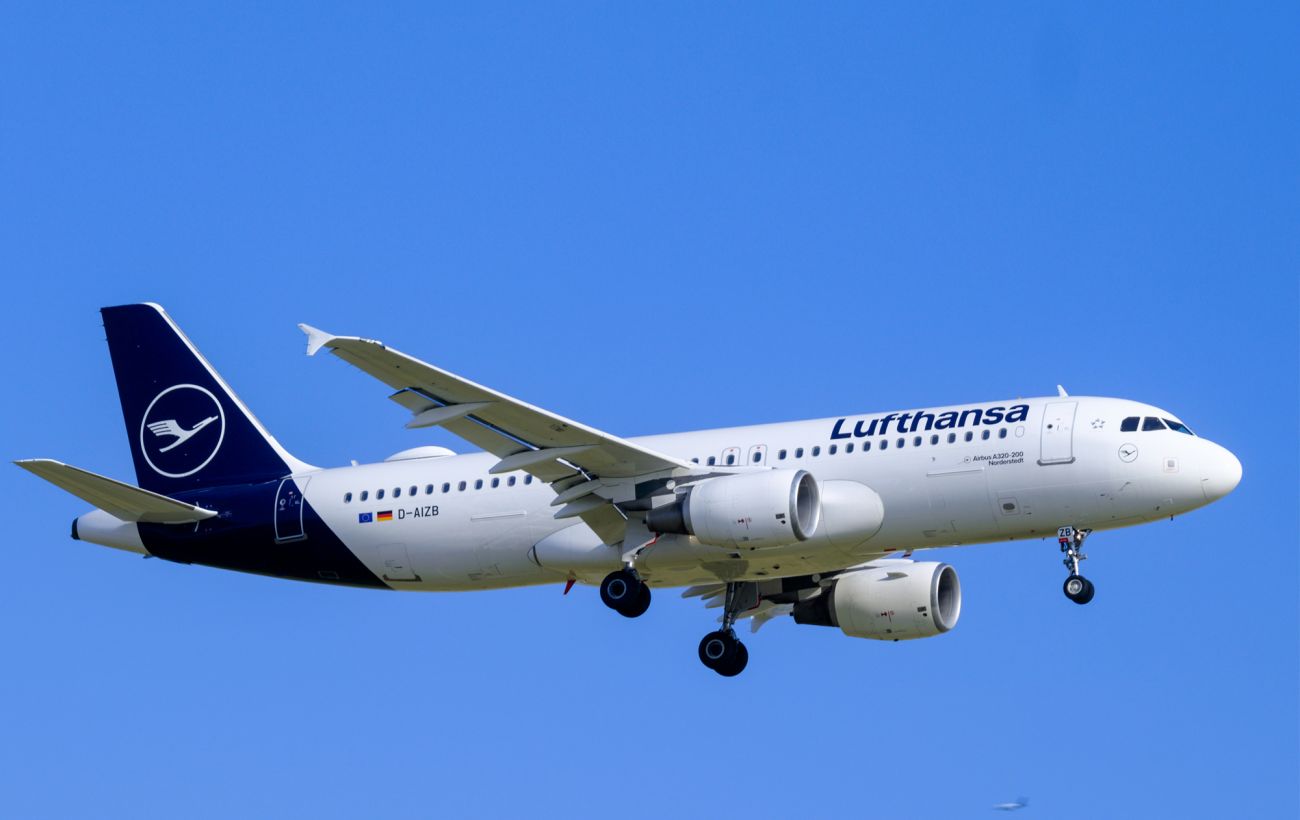
Lufthansa has announced the cancellation of approximately 120 flights each day starting Monday, as part of a strategy to eliminate unprofitable routes from Munich and Frankfurt until the end of the summer season in mid-October.
In total, the airline will suspend 20,000 short-haul flights by October, a move expected to save around 40,000 tons of aviation fuel. This decision comes as fuel prices have doubled since the onset of the conflict in Iran.
The airline plans to release its updated summer schedule by late April or early May, promising to optimize its offerings on short-haul routes to ensure schedule stability.
Meanwhile, European transport ministers convened to discuss measures to prevent a shortage of aviation fuel. According to the International Energy Agency (IEA), Europe has less than six weeks’ worth of fuel reserves remaining.
Transport Commissioner Adina Vălean indicated that the European Union is exploring the possibility of importing alternative American jet fuel, which is not currently utilized in Europe. This could allow airlines to refuel in larger quantities outside the region.
Additionally, the EU may relax airport slot usage requirements to avoid penalties for unused flights. The European Commission is set to announce a plan on Wednesday to monitor fuel reserves and potential redistribution among member states.
Other airlines worldwide are also responding to soaring fuel costs following the closure of the Strait of Hormuz. Delta Air Lines has announced cuts to unprofitable routes, accounting for about 3.5% of its network, to offset an additional $1 billion in expenses.
-
Cathay Pacific, Air Asia X, and Air New Zealand are among other carriers reducing flight schedules.
-
Numerous airlines have implemented fuel surcharges or raised ticket prices.
-
Even European airlines that had hedged fuel prices are facing challenges; EasyJet has warned of larger-than-expected losses this winter, while Virgin Atlantic has indicated it may struggle to return to profitability this year.
The ongoing conflict between the United States, Israel, and Iran has triggered a significant energy crisis, with the IEA forecasting a “oil shock” potentially worse than that of the 1970s. The agency is consulting with governments in Asia and Europe regarding the release of additional oil reserves.
According to reports, fuel prices may not return to previous levels even after the reopening of the Strait of Hormuz, as buyers will likely need to secure oil in advance, further increasing costs.
In related news, the U.S. Department of the Treasury has announced that it will no longer grant exemptions for Russian oil, signaling a firm stance against the aggressor.
Lufthansa's decision to cancel flights reflects broader challenges in the aviation industry due to rising fuel costs linked to geopolitical tensions. As airlines adapt to these pressures, the EU is exploring measures to mitigate potential fuel shortages.