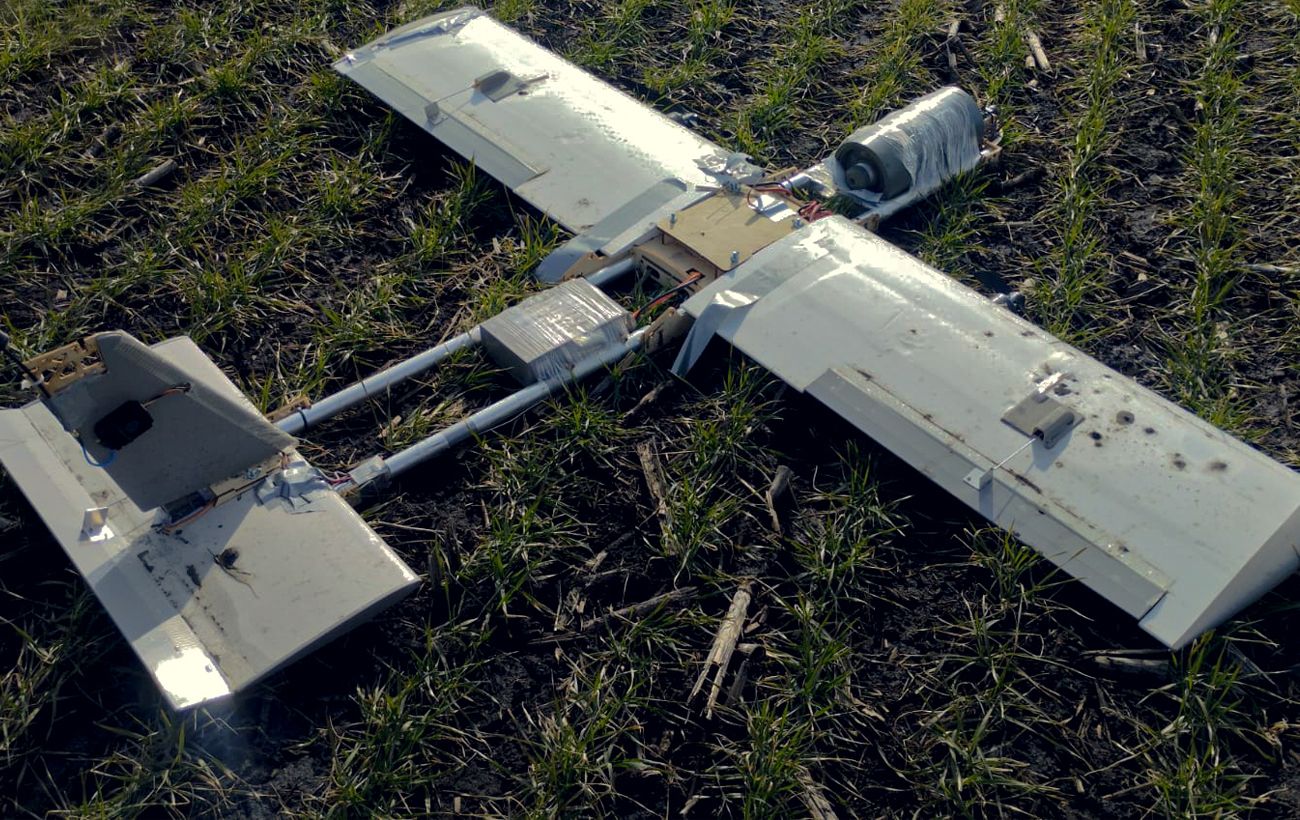
Recent developments on the front lines indicate a strategic shift in the tactics employed by Russian forces, with a noticeable decline in the use of expensive combat drones. Instead, there is an increasing reliance on simpler and more cost-effective UAVs known as “Molniya.”
The transition to these budget-friendly drones is evident across various combat zones, where the deployment of high-cost strike drones has decreased significantly. The “Molniya” drones are designed for efficiency, utilizing powerful VTX transmitters with a power output of 5-10 watts and directional antennas to ensure reliable video signal transmission.
Experts emphasize the need for enhanced electronic warfare capabilities to counteract these drones, particularly focusing on disrupting their video channels. Current electronic warfare systems are reportedly sufficient to target the control channels of the “Molniya” drones; however, there is a pressing requirement to improve frequency detection capabilities.
Attempts to jam signals across a broad spectrum have proven inconsistent due to the wide range of frequencies utilized by the drones. Specialists note that Russian forces have effectively studied the characteristics of Ukrainian electronic warfare systems, allowing them to exploit limitations in signal suppression.
In response, the adversary is employing frequency hopping within the 300-600 MHz range and beyond, which, while reducing control range, complicates countermeasures. The widespread use of “Molniya” drones is also viewed as a tactic to overwhelm Ukrainian anti-drone defense units, thereby stretching their operational capabilities.
The shift towards cheaper "Molniya" drones by Russian forces reflects a strategic adaptation to counter Ukrainian electronic warfare. This change poses new challenges for Ukrainian defense systems, necessitating advancements in frequency detection and jamming capabilities.