Recent analysis from the U.S.-based Institute for the Study of War (ISW) indicates that Russia is leveraging its demands regarding the Donbas region as a prerequisite for continued peace negotiations with Ukraine. This comes despite Russia’s deteriorating military position on the battlefield, which undermines its ability to secure significant political concessions.
According to the report, Russian forces are currently facing greater challenges in combat compared to earlier in 2025, when President Vladimir Putin and other Kremlin officials intensified their demands for Ukraine to cede territory, particularly in the Donetsk region. The situation on the battlefield has shifted unfavorably for Russia, as Ukrainian forces have escalated their offensive operations, targeting Russian logistics and military assets.
In the first four months of 2026, Russian territorial gains have dwindled to an average of just 2.9 square kilometers per day, with significant losses reported in April. The report highlights that Russian troops are grappling with increasing casualties that have recently outpaced recruitment efforts.
ISW analysts assert that Ukrainian forces are poised to continue inflicting heavy losses on Russian troops engaged in offensive operations, particularly against fortified positions in Donetsk as part of the ongoing spring-summer offensive, which so far has yielded limited operational success.
Previously, the ISW noted that the Kremlin is attempting to create a false sense of urgency among its negotiating partners, pressuring Ukraine to concede unoccupied parts of the Donbas that Russian forces have failed to capture.
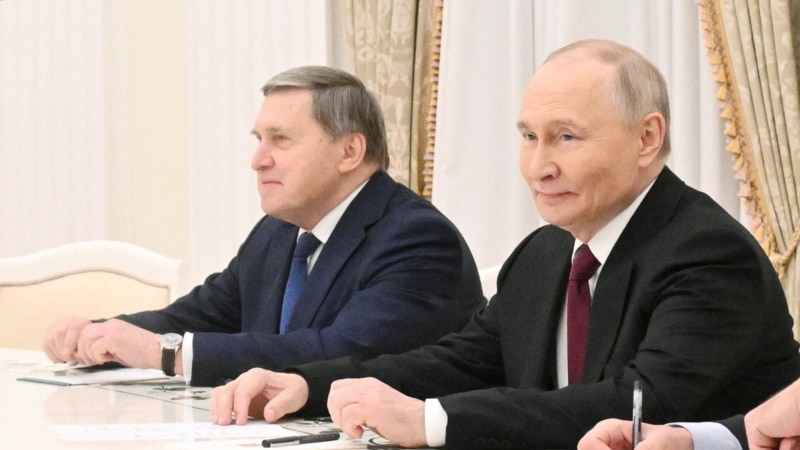
On May 7, Putin’s aide Yuri Ushakov stated that Russia sees no point in resuming trilateral negotiations involving Moscow, Kyiv, and Washington until Ukraine withdraws its troops from Donbas. He emphasized that all parties, including Ukrainian negotiators, understand that Kyiv must take a significant step for military actions to cease and for serious discussions on long-term resolutions to commence.
Ushakov remarked that persuading each other is largely a waste of time until President Volodymyr Zelensky agrees to troop withdrawal.
Negotiations aimed at ending the conflict have been stalled since late February, largely due to developments in the Middle East, where U.S. negotiators Steve Vitkoff and Jared Kushner are focused on addressing tensions with Iran.
Prior to the pause, the parties had reached agreements on technical matters, but the status of Donbas remained unresolved, with Russia demanding the withdrawal of Ukrainian forces and Ukraine insisting on a cessation of hostilities along the current front lines. Alternative proposals, including the establishment of a demilitarized free economic zone in Donetsk, were also under consideration with U.S. involvement.
On May 8, U.S. Secretary of State Marco Rubio reaffirmed that the United States remains willing to mediate in the conflict resolution process if it proves productive, although he acknowledged that current diplomatic efforts have hit a dead end. In response to a question from Radio Free Europe, he added that Washington does not wish to waste time if these efforts do not advance negotiations.
The ISW report reveals that Russia is using its demands over the Donbas region as leverage in peace talks with Ukraine, even as its military position weakens. The ongoing conflict has stalled negotiations, with the U.S. expressing readiness to mediate if progress can be made.
Source: Institute for the Study of War