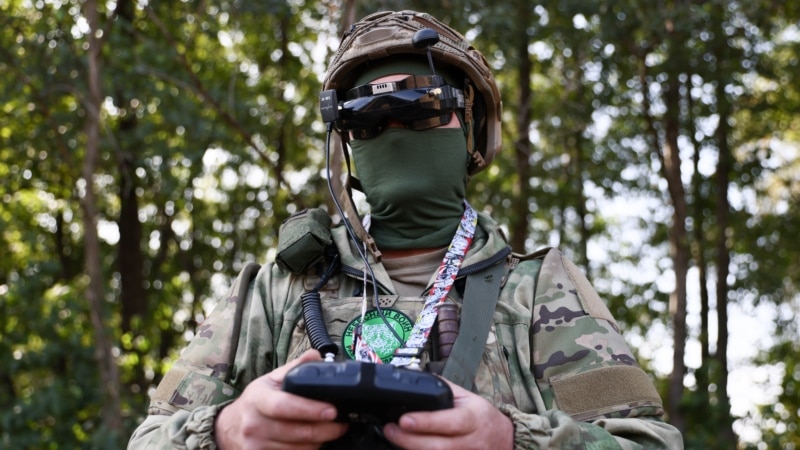
A recent report from the U.S.-based Institute for the Study of War (ISW) highlights the increasing centralization of drone procurement for the Russian Armed Forces, which may yield both beneficial and detrimental effects. This shift follows a statement from a Russian military correspondent indicating that the Russian Ministry of Defense’s Advanced Inter-Service Research and Special Projects Directorate will no longer distribute drones to all frontline units.
Instead, Colonel Yuri Vaganov, commander of the military drone systems, will personally oversee the allocation of unmanned aerial vehicles (UAVs). The correspondent has accused Vaganov of involvement in military corruption and warned that this new policy could lead to a shortage of drones in regular military units.
“This new system is likely to create a state monopoly on procurement, which will foster greater corruption and undermine volunteer-based procurement practices,” the report suggests.
ISW notes that while it cannot independently verify the correspondent’s claims, they align with ongoing efforts by Russia to centralize informal specialized drone units and the procurement and distribution system for UAVs. The institute assesses that centralized control over drone distribution could enable Russian forces to concentrate UAVs and supply more trained personnel to specific front-line areas. However, this may also hinder their ability to rapidly implement innovations.
According to Ukrainian Armed Forces Commander Oleksandr Syrskyi, Russia expanded its military drone personnel to 101,000 by early April, with plans to increase this number to 165,500 by the end of 2026.
The ISW report outlines the implications of Russia's new centralized drone procurement strategy, suggesting potential benefits in resource allocation but also risks of increased corruption and reduced innovation. As drone personnel numbers grow, the effectiveness of this strategy remains uncertain.