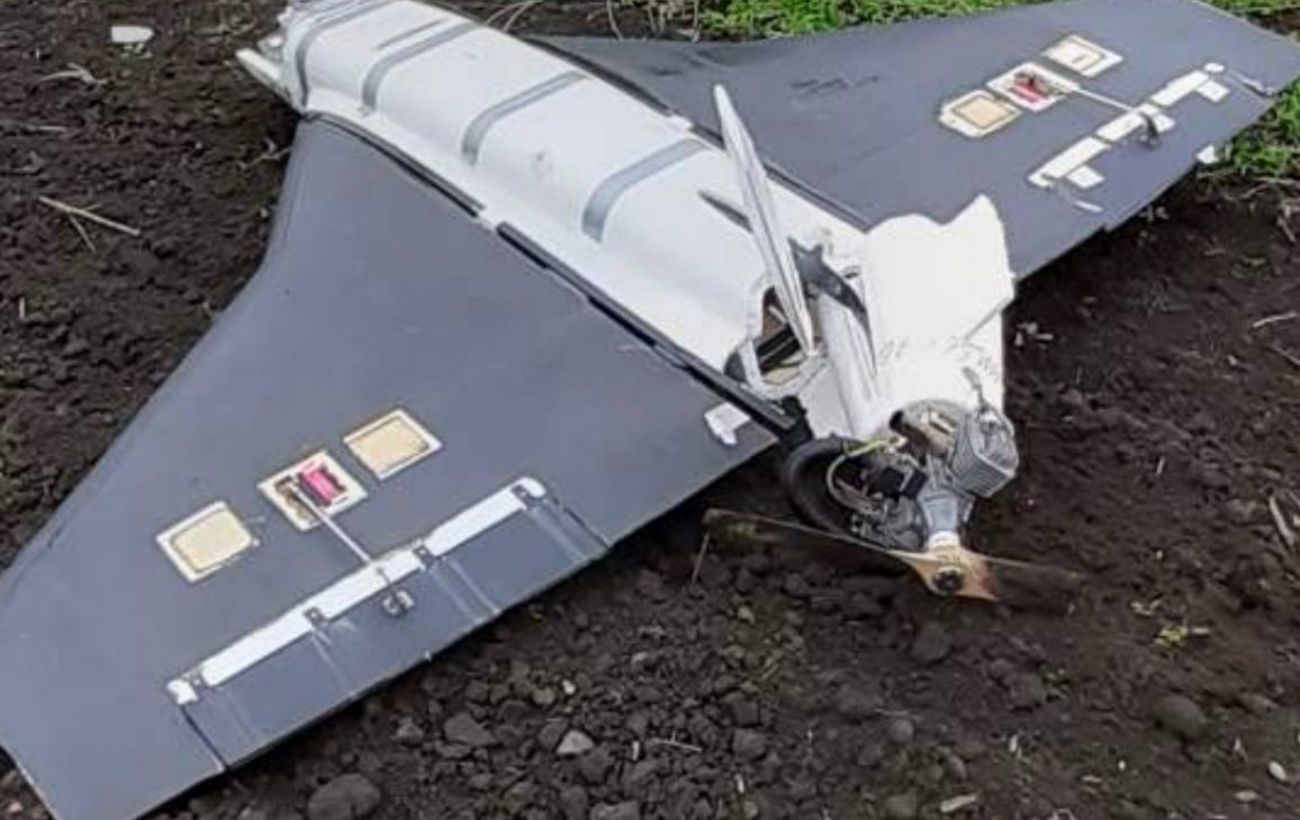
Recent developments in Russian drone technology indicate a significant upgrade in their capabilities, particularly with the introduction of advanced antennas on the “Gerbera” drones. This shift suggests an expansion in the production of these systems within Russia.
According to Ukrainian defense advisor Serhiy Beskrestnov, the “Gerbera” drones have primarily served as auxiliary tools rather than frontline attack drones. They are reportedly utilized for various roles, including as decoys to mislead Ukrainian air defense systems, as relay points for MESH communication for Shahed drones, and for reconnaissance missions.
Beskrestnov noted that initially, these drones were deployed without satellite navigation protection. Over time, they began incorporating four-element CRPA antennas of Iranian manufacture, which have become less relevant for the Shahed drones.
Recent observations have revealed that Russian “Gerbera” drones are now being fitted with the more sophisticated “Kometa” antennas, which feature 12 elements. This upgrade may signal an increase in the production capacity of the Russian facility responsible for manufacturing these systems.
Beskrestnov remarked, “This is a sign that the factory producing the ‘Kometa’ antennas has expanded its production capabilities. Just a year ago, there was a shortage of ‘Kometa’ antennas even for critical applications, with waiting times of three to five months reported at the factory.”
Furthermore, the use of 16-element “Kometa” antennas appears to be reserved for more critical Russian projects, according to the defense advisor. He stated, “Currently, the 16-element ‘Kometa’ antennas are only being allocated to important products.”
Russia's recent enhancements to the "Gerbera" drone technology, including the installation of advanced antenna systems, suggest a strategic upgrade in its military capabilities. This development reflects an increase in production capacity and a shift in the operational use of these drones.