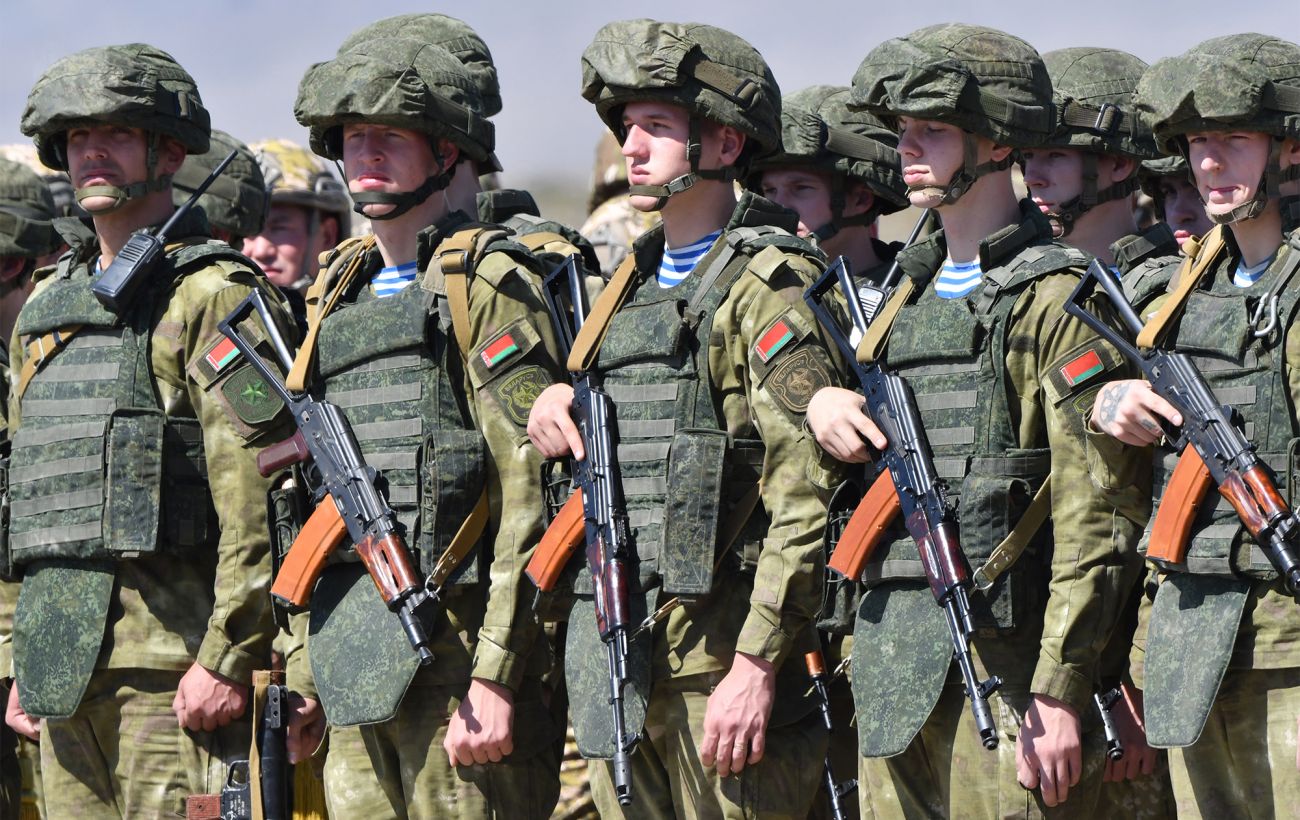
Russia and Belarus have recently completed a series of joint nuclear exercises that included missile launches and the movement of munitions. This development has raised concerns among analysts regarding Russia’s increasing military influence over Belarus.
On May 21, Russian President Vladimir Putin and Belarusian leader Alexander Lukashenko participated in the second phase of these nuclear drills. According to the Russian Ministry of Defense, nuclear munitions were transported to Belarus for the exercises. Belarusian units engaged in various training activities, including:
- Receiving munitions;
- Preparing launch systems;
- Moving Iskander-M missile systems.
The exercises also featured a series of missile launches, which included:
- The intercontinental missile Yars;
- The Zircon missile;
- The Kinzhal missile;
- Missiles from the Iskander-M system.
Participating units included strategic missile forces, naval forces, and aviation units from Russia.
Analysts from the Institute for the Study of War (ISW) have noted that these exercises signify a strengthening of Russia’s control over Belarus. The report highlighted that Belarus previously held an official status as a non-nuclear state. However, in 2022, the country amended its constitution, relinquishing that status.
ISW analysts believe this shift allows Russia greater latitude to utilize Belarusian territory for military operations. Furthermore, it was indicated that Russia and Belarus plan to conduct new exercises named “Union Shield” in 2027, which are intended to enhance the military readiness of both nations.
The recent joint nuclear exercises between Russia and Belarus underscore a significant shift in military dynamics, with analysts expressing concerns over Russia's increasing control over Belarus. The exercises involved various missile launches and training activities, reflecting a deeper military collaboration between the two countries.