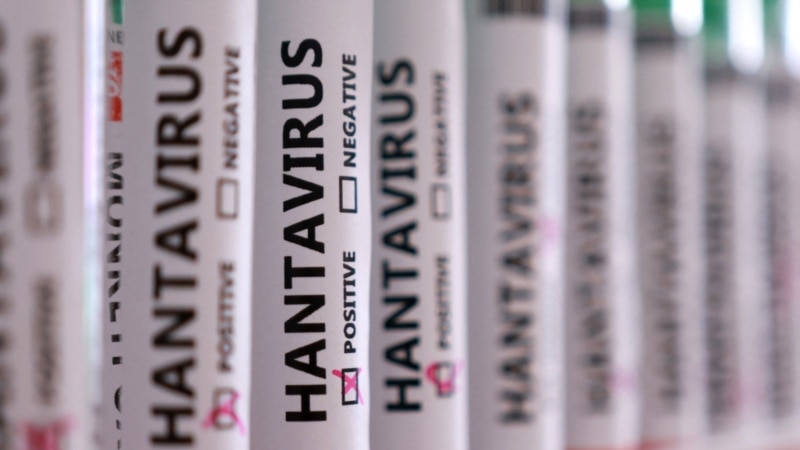
Ukraine reports annual cases of hantavirus infections, according to Mykola Hanich, spokesperson for the Center for Public Health under the Ministry of Health. During a televised briefing on May 10, he highlighted the global prevalence of hantaviruses, which are primarily transmitted by rodents.
Hantaviruses are responsible for two main diseases: hemorrhagic fever with renal syndrome, which is more common in Europe and Asia, including Ukraine, and hantavirus pulmonary syndrome, typically found in the Americas. Hanich noted that the Andes virus, a unique strain, can be transmitted between humans through prolonged close contact.
In Ukraine, dozens of hantavirus infection cases are documented each year, with transmission occurring solely from rodents to humans. Hanich emphasized the importance of avoiding contact with potential sources of the virus, which can be present in rodent droppings, dust, and contaminated surfaces or food.
Households may be at risk, particularly if they harbor mice or rats. Hanich advised caution in environments where rodent contact is likely, such as old buildings or storage areas. He recommended against sweeping floors or raising dust, suggesting instead to conduct wet cleaning and use disinfectants on surfaces that may have been exposed to rodents. Proper hand hygiene is crucial, and individuals should wear latex or rubber gloves when cleaning.
The cruise ship MV Hondius, which recently docked in Tenerife, Spain, has been linked to a hantavirus outbreak. The World Health Organization (WHO) and Spanish authorities reported that no symptoms have been observed among passengers onboard. The vessel departed from Argentina approximately a month prior and recorded eight confirmed and probable hantavirus cases, including three fatalities: a Dutch couple and a German national.
WHO previously indicated the possibility of human-to-human transmission aboard the MV Hondius, a rare occurrence typically associated with close contact. On May 5, the organization noted that the virus might have spread due to “very close contacts” among passengers. Experts maintain that the risk to the general population remains low.
Multiple strains of hantavirus exist, with infections potentially leading to hemorrhagic fever with renal syndrome or hantavirus cardiopulmonary syndrome. Both conditions are considered serious, and no vaccines are currently available to prevent hantavirus infections.
Annual hantavirus cases in Ukraine highlight ongoing public health concerns, particularly in light of a recent outbreak linked to the MV Hondius cruise ship. Health officials stress the importance of preventing rodent contact to mitigate infection risks.