Representatives from the United States and Iran are expected to convene in Islamabad, Pakistan, next week to resume peace negotiations aimed at resolving ongoing conflicts.
According to sources, both nations are collaborating with intermediaries to draft a one-page memorandum consisting of 14 points. This document will outline the framework for discussions scheduled to last one month, focusing on conflict resolution.
Several key aspects of these negotiations have emerged:
- For the first time, Iran has indicated a willingness to discuss its nuclear program;
- Both parties are considering the possibility of relocating a portion of Iran’s stockpile of enriched uranium abroad, although public statements from both sides have been contradictory;
- Details regarding the duration of any halt to uranium enrichment or the potential export of enriched uranium remain unclear;
- The working document includes a request for Iran to ease its control over the Strait of Hormuz;
- The United States intends to lift the blockade on Iranian ports during the 30-day negotiation period;
- If the talks prove successful, the initial month may be extended by mutual agreement;
- The extent of sanctions relief is under discussion and could jeopardize the negotiations.
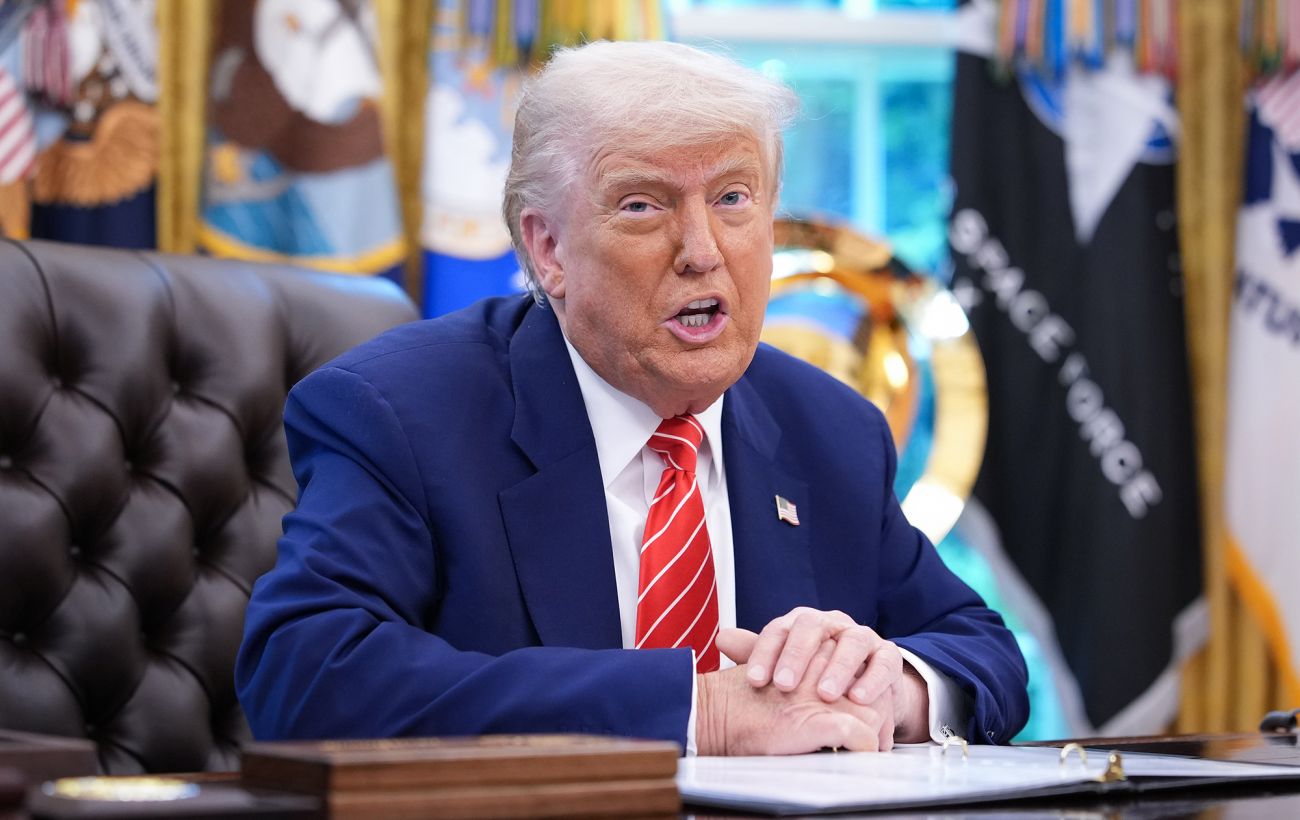
In related developments, President Donald Trump addressed journalists, stating that he anticipates receiving an update on Iran’s decision regarding the upcoming talks by Friday evening.
“I will likely receive a letter this evening. We will see how it goes. We will know soon,” he remarked.
Upcoming peace talks between the US and Iran in Islamabad aim to address various issues, including Iran's nuclear program and sanctions relief. The negotiations, set to last one month, may pave the way for further dialogue if successful.