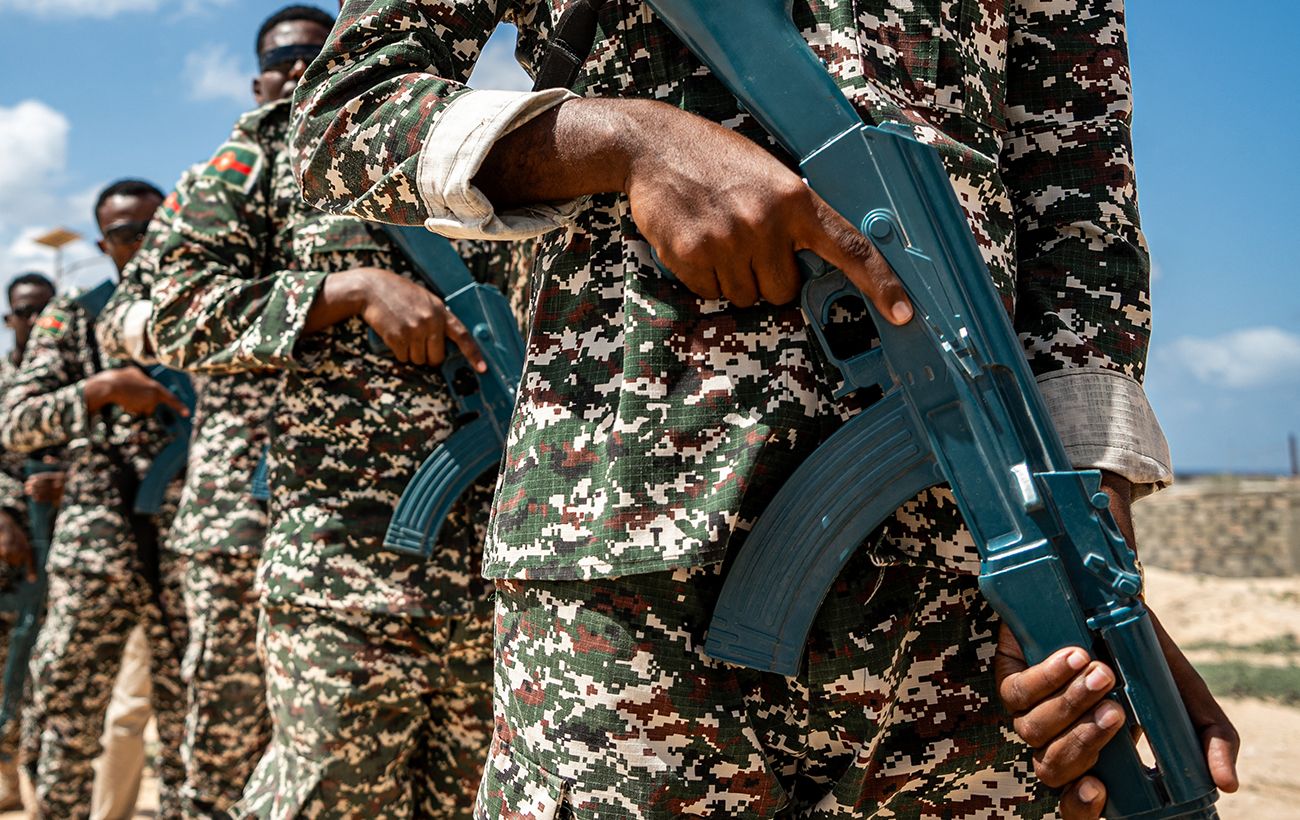
Since the onset of its full-scale invasion in 2022, Russia has reportedly recruited over 27,000 foreign nationals from more than 130 countries to bolster its military efforts. This recruitment strategy has raised significant concerns regarding the treatment of these individuals, many of whom are vulnerable and exploited.
According to recent reports, the recruitment drive has included approximately 14,000 North Korean fighters, indicating a broad geographic scope that encompasses Central and South Asia, Africa, the SWANA region (Southwest Asia and North Africa), and Latin America. Notably, between September 2025 and February 2026, the number of foreign fighters increased by over 30%, with intelligence assessments suggesting that Russia may attempt to recruit an additional 18,500 foreign nationals by the end of 2026.
Recruiters often target individuals who are socially and economically vulnerable, offering what appear to be lucrative civilian jobs or non-combat roles. However, upon arrival in Russia, many recruits are pressured into signing contracts in Russian, a language they may not understand. Reports indicate that coercive tactics such as threats of deportation, confiscation of documents, physical intimidation, and the fabrication of criminal charges are commonly employed to ensure compliance.
Instead of being assigned to support roles, these recruits are frequently sent to the front lines after only a few weeks of training. They are often utilized in high-risk assaults, referred to as “meat assaults,” which involve overwhelming enemy positions with sheer numbers. Current estimates suggest that one in five foreign recruits does not survive, with many casualties occurring within the initial months of deployment. Ukrainian authorities have confirmed at least 3,388 deaths among this group, with total losses exceeding 5,000.
International experts have classified Russia’s actions as part of a global human trafficking scheme, violating the Palermo Protocol of the United Nations Convention against Transnational Organized Crime. The report emphasizes that the countries of origin, including Kazakhstan, Kenya, Nepal, and Cuba, should intensify investigations and diplomatic efforts to protect their citizens and hold recruiters accountable.
Russia's extensive recruitment of foreign fighters has raised serious concerns about exploitation and human rights violations. With thousands of casualties reported, international experts are calling for accountability and protective measures for vulnerable individuals targeted by these recruitment efforts.