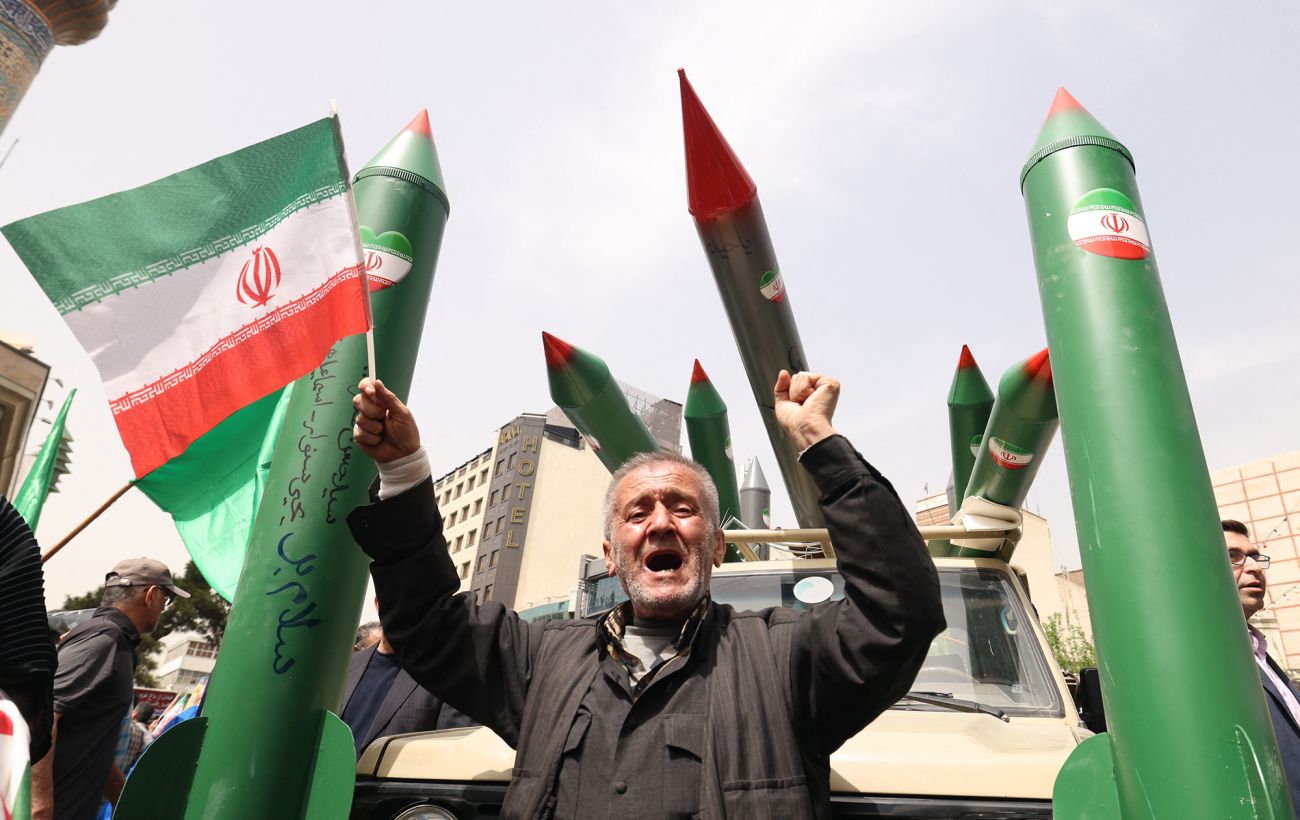
Iran has revised its previous conditions and agreed to bring its nuclear program to the negotiating table with the United States. Sources indicate that Tehran is willing to discuss limiting uranium enrichment to 3.5% and gradually reducing its stockpile of enriched uranium.
The updated proposal also includes a phased reopening of the Strait of Hormuz in exchange for the lifting of the U.S. blockade. Additionally, Iran has abandoned its demand for the withdrawal of American troops from the region, instead focusing on curbing the expansion of U.S. military presence near its borders and seeking international assurances against future attacks.
In a related development, media reports indicated that Iran had submitted a new version of a peace agreement aimed at ending hostilities, which called for an immediate cessation of the blockade in the Strait of Hormuz from both sides. However, this proposal initially excluded discussions on the nuclear program.
Shortly after these reports emerged, U.S. President Donald Trump addressed journalists, expressing skepticism about the proposed terms before having a chance to review them. Reports suggest that Iran has since received a response from the U.S. and is currently evaluating it, after which a reply from Tehran is expected.
Furthermore, German Foreign Minister Heiko Maas held a phone conversation with Iranian Foreign Minister Abbas Araghchi, during which he reiterated Germany’s call for Iran to abandon its nuclear ambitions and to facilitate the reopening of the Strait of Hormuz.
Iran has shifted its position regarding its nuclear program, agreeing to negotiations with the U.S. and proposing limits on uranium enrichment. The updated terms also include a phased reopening of the Strait of Hormuz, reflecting a significant change in Iran's diplomatic approach.