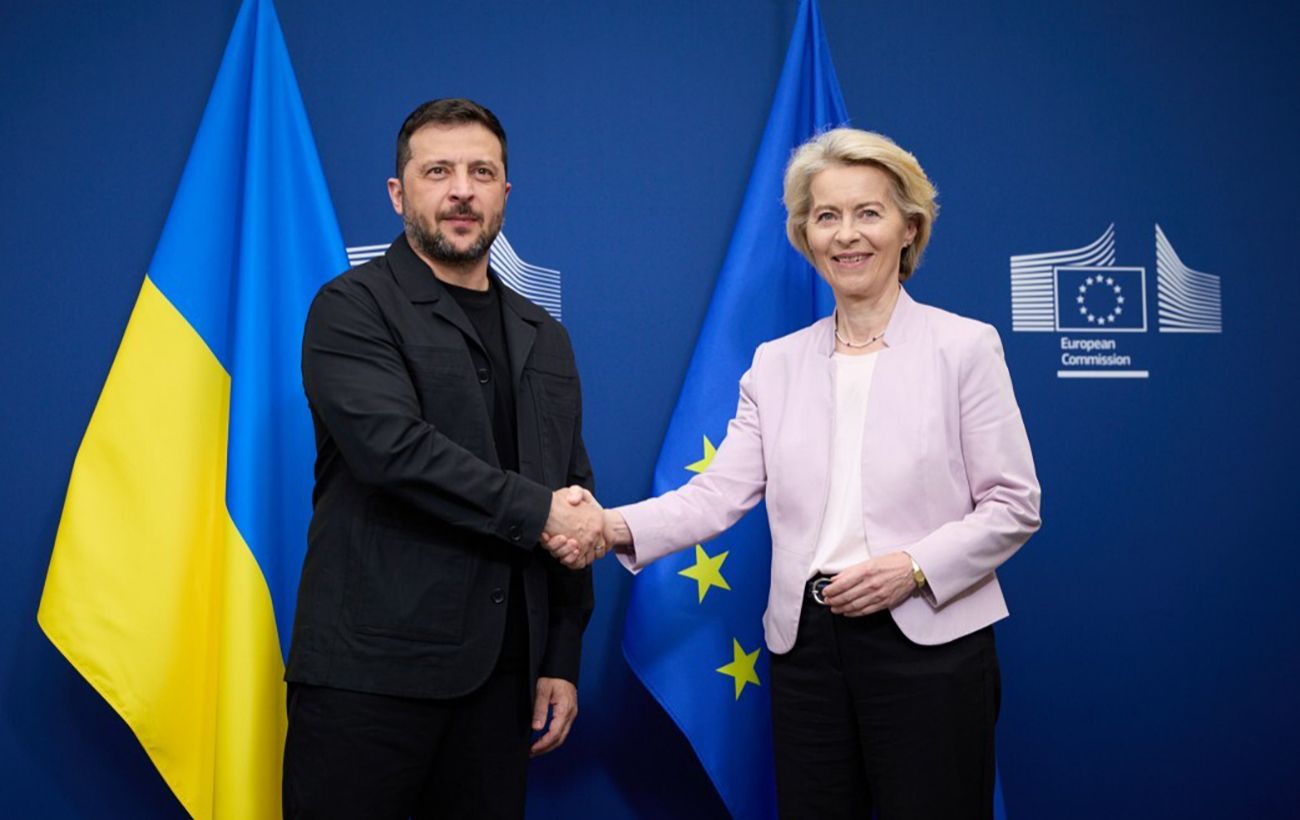
The European Union is considering the use of frozen Russian assets to settle a €90 billion loan to Ukraine, contingent on Russia’s refusal to pay reparations. This financial support is crucial as Ukraine navigates its ongoing recovery and defense needs.
According to the EU, the loan is structured to provide Ukraine with significant financial resources by 2026. The allocation includes €16.7 billion for social budget support and €28.3 billion for defense expenditures. Specifically, the budget support will consist of €8.35 billion in macro-financial assistance and an additional €8.35 billion through the Ukraine Facility program.
Funds are expected to start flowing in May or June 2026. Meanwhile, the Ukrainian Ministry of Finance has indicated that technical consultations with the EU are ongoing to finalize the terms of the loan agreement.
Discussions are focusing on the number and size of the disbursements, with budgetary support contingent on meeting specific conditions, which may influence the amount of individual tranches. In 2027, Ukraine is anticipated to receive an additional €45 billion from the EU loan.
Of the total loan amount, approximately €30 billion is earmarked for budget support, while around €60 billion will be directed towards military assistance. Although the loan is not intended for recovery programs, Ukraine hopes to secure permission to allocate €5.4 billion for energy sector recovery.
Regarding repayment, the Ministry emphasized that Ukraine will only begin to repay the loan once Russia compensates for damages caused by the war. The EU document does not specify a repayment timeline. In the absence of reparations from Russia, the EU reserves the right to utilize frozen Russian assets to cover the debt.
It is also noted that Ukraine will not be obligated to repay the loan if Russia fails to compensate for the war-related damages.
Last week, EU member states unblocked the €90 billion loan for Ukraine after a significant procedural decision. Hungary had previously stalled the aid, demanding the restoration of operations on the Druzhba pipeline, which had been targeted by Russian attacks. Following the resumption of Russian oil deliveries to Hungary and Slovakia via the Druzhba pipeline, Hungary lifted its veto on the financial support for Ukraine.
The EU is poised to use frozen Russian assets to finance a €90 billion loan to Ukraine, focusing on social and defense needs. The loan's repayment hinges on Russia's payment of reparations for war damages.