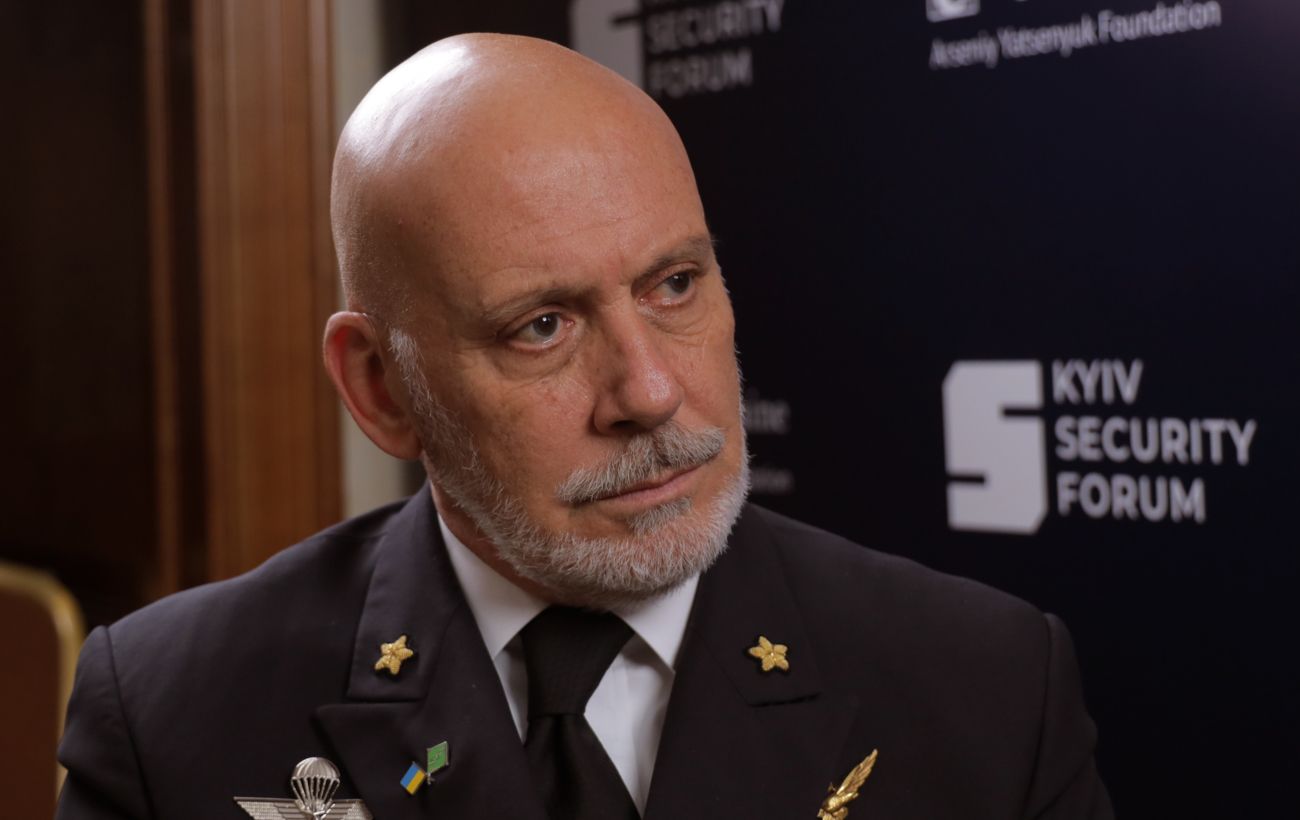
The ongoing conflict in Iran has reignited discussions about the role of NATO and the United States’ involvement in the alliance. Admiral Giuseppe Cavo Dragone, the head of NATO’s Military Committee, recently addressed concerns regarding U.S. participation, the threat posed by Russia, and the integration of Ukrainian military experience into NATO’s strategies.
Russia as a Primary Threat: NATO has officially identified Russia as its foremost threat. The alliance anticipates that Moscow will attempt to regain control over territories it held before the dissolution of the Soviet Union, with potential ambitions extending beyond the Baltic states.
Strategy of Attrition: A key strategy against Russian aggression involves both economic and military attrition. Current estimates suggest that Russia is losing approximately 35,000 soldiers each month, a figure that surpasses the total Soviet casualties during the decade-long war in Afghanistan.
Ukraine’s Role in Security: Ukraine has transitioned from being a consumer of security to a contributor. The Ukrainian Armed Forces are now training NATO forces, sharing valuable insights into counter-drone tactics.
Lessons from the Iranian Conflict: The conflict in Iran has underscored the importance of air superiority and the need for cost-effective methods to counter mass drone attacks. NATO intends to incorporate these lessons into its long-term strategic planning.
Relations between the U.S. and its NATO allies have been strained, particularly since Donald Trump’s presidency, during which he criticized European nations for insufficient defense spending. This led to commitments from NATO members to increase their defense expenditures to 5% of GDP.
Recent military operations against Iran have further fueled U.S. dissatisfaction, with claims that European allies did not provide adequate support. This has prompted discussions in Washington about potential punitive measures against perceived underperforming allies, raising questions about the future of NATO.
Despite these tensions, Admiral Cavo Dragone expressed confidence in NATO’s cohesion. He acknowledged that while a reduction in U.S. involvement might occur, he does not foresee a significant withdrawal of American forces. He emphasized that Europe must take greater responsibility for its defense, which is already underway through substantial investment commitments made at the NATO summit in The Hague last year.
When asked about the military needs of Europe, Admiral Dragone highlighted the importance of enhancing capabilities, including air defense systems, intelligence, surveillance, reconnaissance (ISR), and electronic warfare. He noted that NATO must also focus on training soldiers to meet these evolving requirements.
Regarding the U.S. approach to its allies, Admiral Dragone acknowledged that while some nations are recognized as “good” allies for their defense spending, others may not meet these standards. He suggested that any potential U.S. troop realignments would be based on practical assessments rather than large-scale movements.
Admiral Dragone affirmed that the 5% defense spending target is essential for addressing the growing Russian threat, emphasizing the need to balance modernization of conventional weapons with innovative technologies. He stressed the importance of maintaining a technological edge over Russia.
On the topic of NATO’s long-term strategy, he reiterated the alliance’s commitment to countering Russian military expansion and adapting to emerging threats, including terrorism. He confirmed that Russia remains NATO’s primary concern, with ongoing hybrid threats expected.
As for the situation in the Baltic states, Admiral Dragone expressed confidence in the assessments of local officials, who do not currently perceive an immediate threat. He underscored NATO’s commitment to a comprehensive defense strategy across all fronts, including the Arctic and southern regions.
To rebuild trust among European allies, Admiral Dragone emphasized the necessity of fulfilling commitments and enhancing defense capabilities. He pointed out that NATO’s support for Ukraine exemplifies the alliance’s unity and resolve.
In light of the Iranian conflict, Admiral Dragone noted the critical role of air power, which has been less prominent in the Ukraine-Russia war. He highlighted the need for effective countermeasures against drone attacks and acknowledged Ukraine’s contributions to regional security efforts.
Overall, Admiral Dragone’s insights reflect NATO’s evolving strategies in response to contemporary security challenges, emphasizing the importance of collaboration, investment, and adaptation in an increasingly complex global landscape.
Admiral Giuseppe Cavo Dragone discusses NATO's strategic direction amid the ongoing conflicts in Iran and Ukraine, emphasizing the alliance's commitment to countering Russian threats and integrating Ukrainian military expertise.