March proved to be a challenging month for the global economy, largely due to escalating events in the Middle East. As April approaches, experts warn that the situation may worsen, particularly concerning fuel supply disruptions.
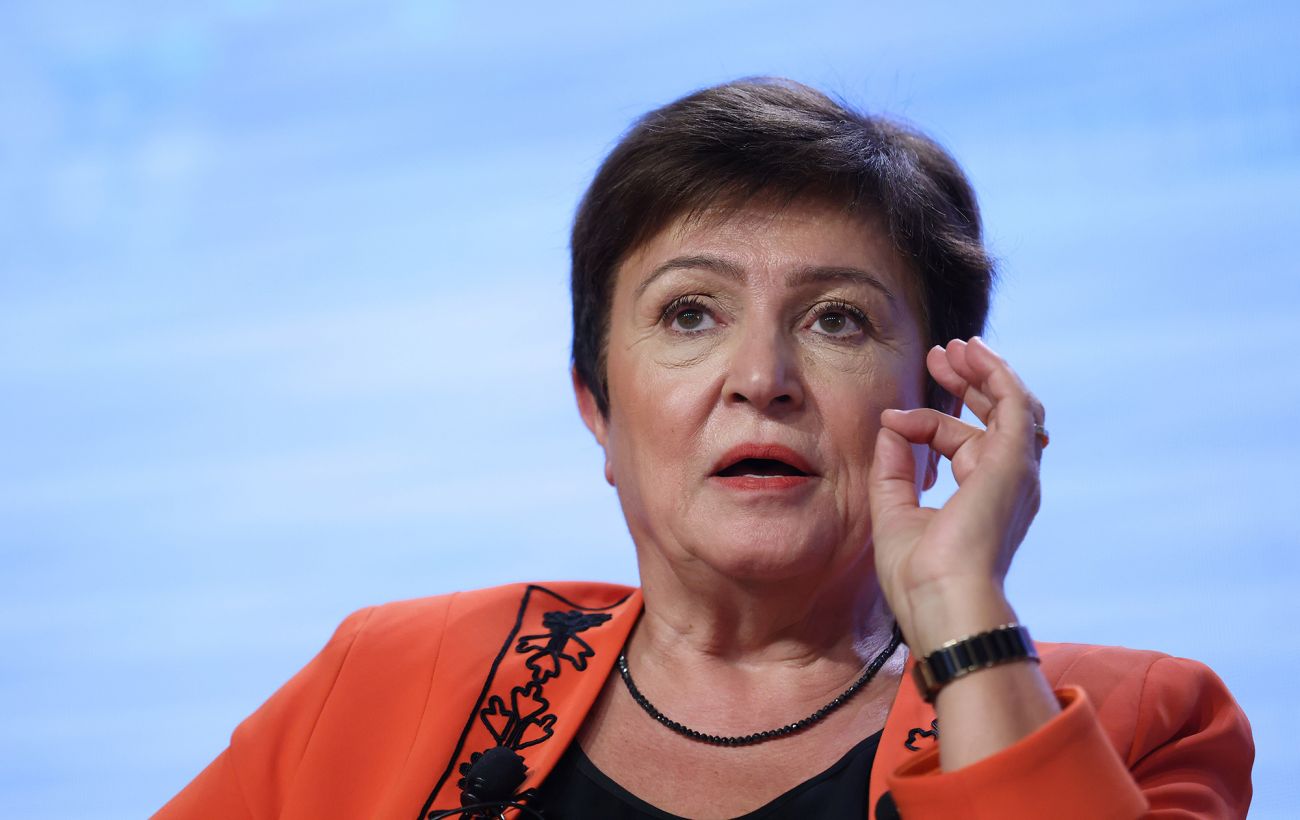
According to Kristalina Georgieva, Managing Director of the International Monetary Fund (IMF), oil tankers that departed from the Persian Gulf in February have reached their destinations, but no new shipments are forthcoming. This stagnation is attributed to ongoing hostilities that have left some vessels unable to load cargo, while others remain blocked.
Georgieva expressed concern over the “physical disruption of supply chains,” emphasizing that the conflict in Iran is having far-reaching effects on the global market. She noted that even after a potential peace agreement, the repercussions of the war will linger, given the slow transit times of oil tankers. For instance, she highlighted that it takes approximately 40 days for a tanker to travel from the Middle East to Fiji.
In light of these challenges, Georgieva urged Western nations to implement measures aimed at energy conservation. Suggestions included providing free public transport and encouraging remote work, similar to strategies employed during the COVID-19 pandemic. Additionally, she recommended promoting less energy-intensive activities.
The International Energy Agency (IEA) is currently consulting with governments in Asia and Europe regarding the release of additional oil reserves in response to the significant energy crisis triggered by the conflict in Iran. The IEA has warned of an impending “oil shock” that could surpass the crises experienced in the 1970s.
On April 15, global oil prices saw a slight decline amid hopes that Iran might resume negotiations with the United States and Israel to resolve the conflict that has disrupted traffic through the Strait of Hormuz.
Concerns are also mounting in Europe, where a potential shortage of jet fuel due to the Iranian conflict has become a primary worry for the European Commission. This situation has prompted airlines to intensify their pressure on the EU’s climate policies.
In response to rising fuel prices and potential panic, various governments are taking steps to mitigate the impact of what has been termed “fuel tourism.” For example, Germany has approved legislative changes aimed at curbing the rapid increase in fuel costs. The European Commission has also called on citizens to work from home, reduce car travel, and limit air travel as part of broader energy-saving initiatives.
The ongoing conflict in Iran is severely disrupting global oil supplies, prompting urgent calls for energy conservation measures from international leaders. As the situation unfolds, both the IMF and IEA warn of significant economic repercussions, including potential fuel shortages across Europe.