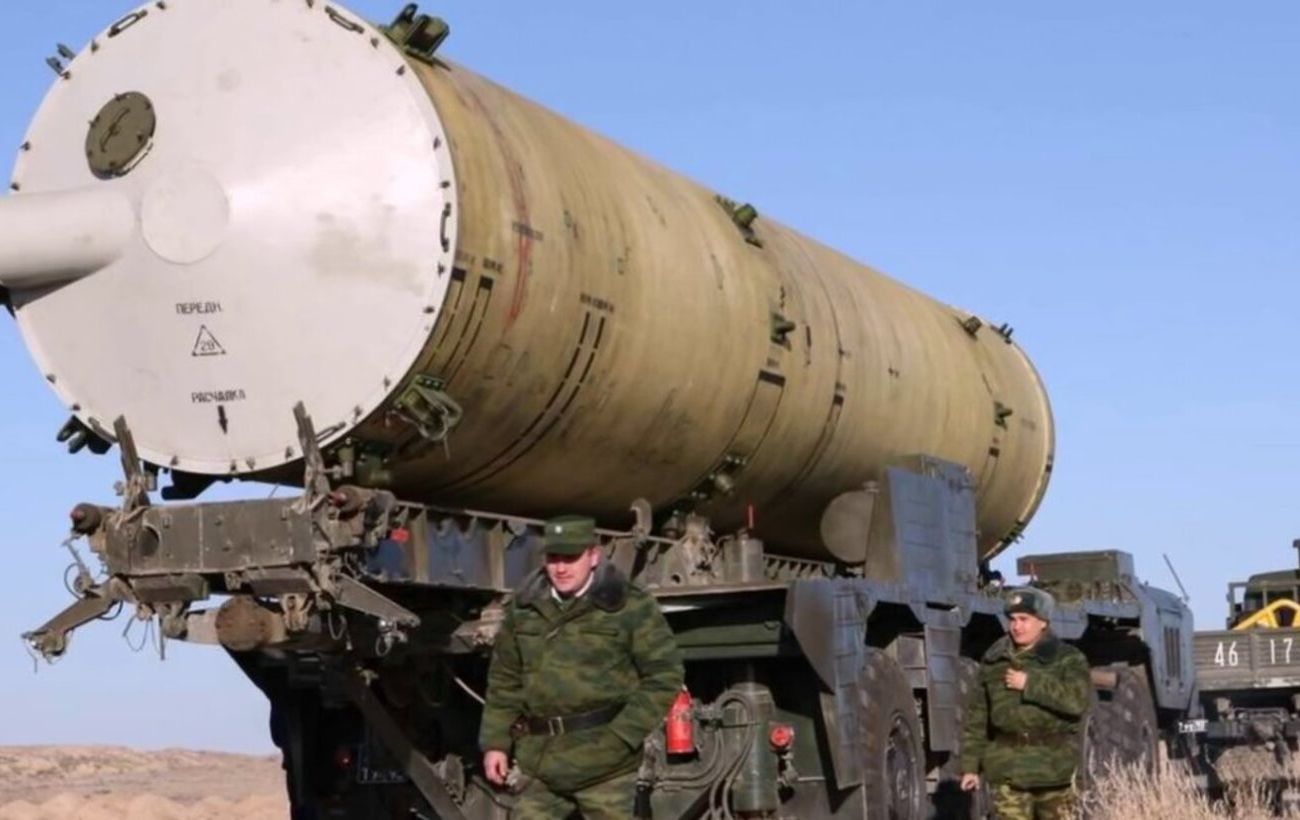
Russia is reportedly planning to position nuclear anti-satellite weapons in low Earth orbit, a move that could significantly disrupt global satellite operations and military capabilities. This development, described by U.S. Space Forces Commander General Stephen Whiting in an interview with The Times, raises concerns about the potential for a catastrophic event akin to a “space Pearl Harbor.”
General Whiting indicated that the proposed deployment would involve placing nuclear warheads at altitudes between 300 and 1,200 miles above Earth. Such a strategy aims to neutralize NATO’s technological advantages, thereby altering the balance of power in space.
A single nuclear detonation in space could incapacitate or destroy approximately 10,000 satellites, which constitutes around 80% of the total number currently in orbit. The implications of such an event would be severe, resulting in the immediate loss of GPS functionality, satellite internet services, and mobile communications, as well as crippling NATO’s military intelligence and targeting systems.
This initiative would violate the 1967 Outer Space Treaty, originally signed by the Soviet Union, which prohibits the placement of nuclear weapons in space. However, General Whiting suggested that Russia appears undeterred by these legal constraints.
“I won’t discuss our intelligence sources and methods, but clearly, this is a report that concerns us greatly,” General Whiting stated.
In response to these emerging threats, the United States plans to double its annual investment in space defense to $71 billion. General Whiting also urged U.S. allies to increase their own defense expenditures to prevent the risk of a “space Pearl Harbor.”
He emphasized that the landscape of space has fundamentally changed over the past decade due to the threats posed by countries like China and Russia, which are developing sophisticated operational space weaponry. “The next major conflict is likely to begin in space,” he concluded.
Russia's intention to deploy nuclear anti-satellite weapons poses significant risks to global satellite infrastructure and military operations. U.S. officials are responding by increasing defense investments and urging allies to bolster their capabilities.