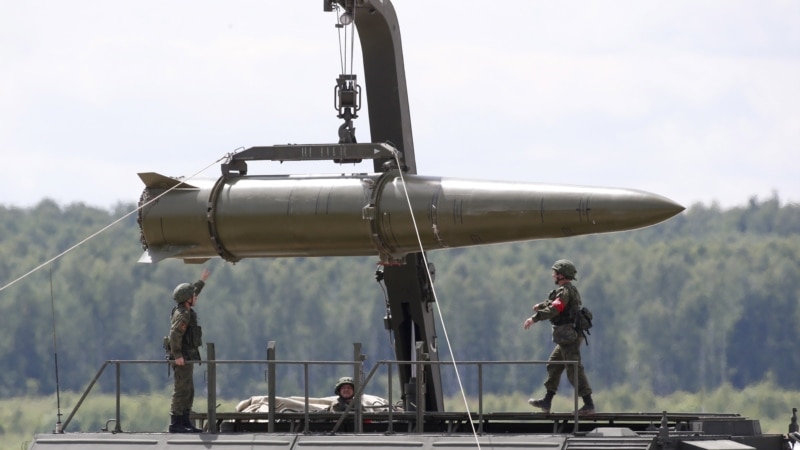
In the early hours of March 13, Russian forces launched a significant assault on Ukraine, deploying an Iskander-M ballistic missile alongside 126 strike drones, including approximately 80 Shahed models, according to the Ukrainian Air Force’s Telegram channel.
By 8:00 AM, Ukrainian air defense systems successfully intercepted 117 of the incoming drones. However, military reports confirmed that a ballistic missile and eight strike drones struck seven locations, with debris from the downed drones landing in five areas.
Russian military operations have increasingly targeted Ukrainian cities and critical infrastructure using various weapons, including strike drones, missiles, and multiple launch rocket systems. These attacks have raised alarms among Ukrainian authorities and international organizations, who classify them as war crimes due to their deliberate nature.
The strikes on essential services and healthcare facilities aim to deprive civilians of electricity, heating, water supply, communication, and medical assistance, raising concerns among legal experts and human rights advocates about potential genocidal actions. They argue that the Russian government’s rhetoric and actions suggest an intent to eliminate the Ukrainian identity, as evidenced by statements from Russian officials claiming that Ukrainians do not exist as a distinct ethnic group.
Legal scholars have outlined several indicators of genocide, including public calls for the destruction of Ukrainians, targeted attacks on vital infrastructure, and the persecution of pro-Ukrainian individuals in occupied territories. Additionally, the systematic eradication of Ukrainian culture, including the targeting of educators and artists, alongside the forced deportation of children to Russia, further underscores these allegations.
The 1948 United Nations Convention on the Prevention and Punishment of the Crime of Genocide obligates its 149 member states to prevent and punish acts of genocide in both wartime and peacetime. The Convention defines genocide as actions aimed at the complete or partial destruction of a national, ethnic, racial, or religious group.
Indicators of genocide include the killing of group members, infliction of serious bodily harm, and the deliberate creation of living conditions intended to destroy a group. The ongoing conflict has prompted calls for accountability from various sectors, emphasizing the need for international attention to these grave violations.
Despite the mounting evidence, Russian leadership continues to deny that its military is intentionally targeting civilian infrastructure or causing civilian casualties, insisting that their operations are justified.
Russian forces intensified their attacks on Ukraine, launching a mix of drones and missiles. Ukrainian air defenses intercepted a majority, but concerns about potential war crimes and genocide persist amid the ongoing conflict.