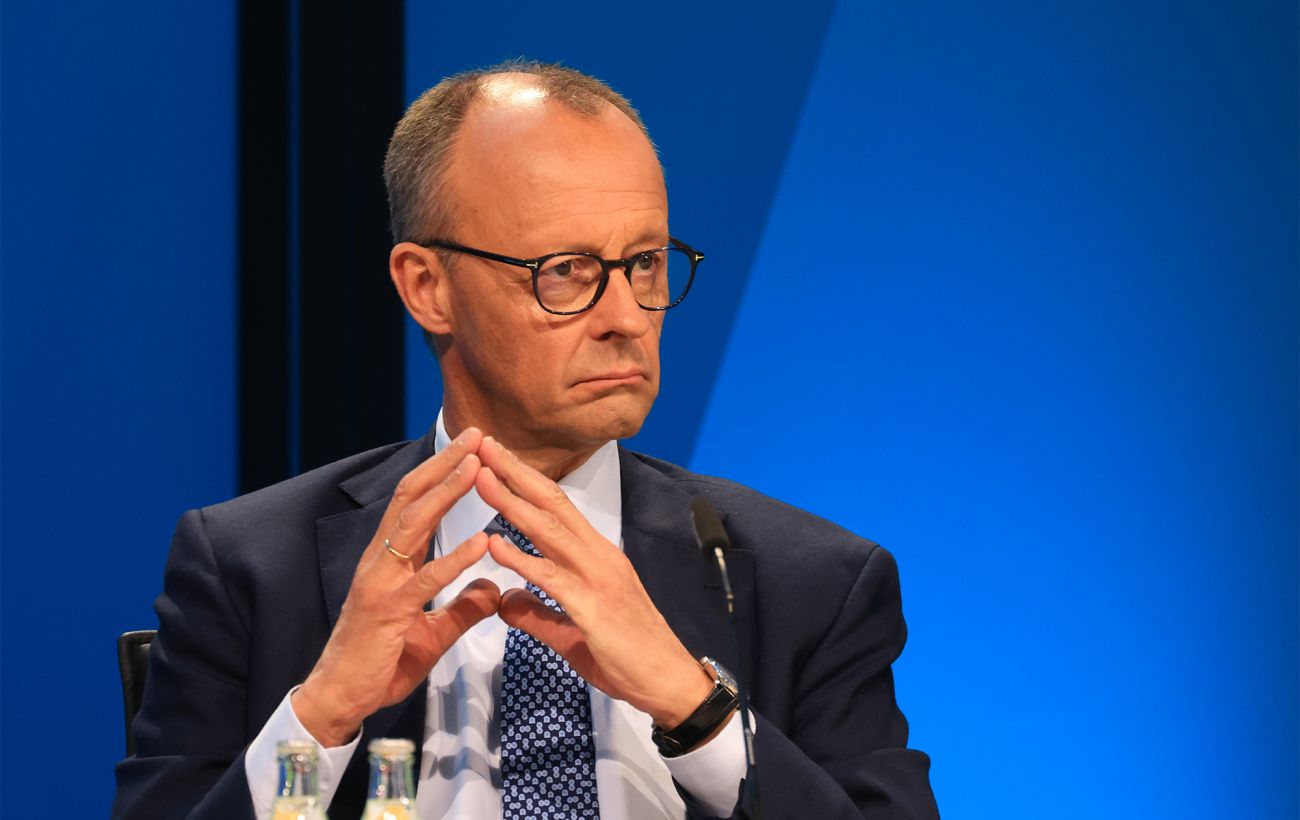
During a recent meeting with U.S. President Donald Trump, German Chancellor Friedrich Merz adopted a strategy of private diplomacy, focusing on the ongoing war in Ukraine. The discussions were marked by Merz’s deliberate avoidance of public disputes, even as Trump criticized other European allies.
Merz explained his approach, stating, “I was doing my job behind closed doors because I did not want to stage a conflict on an open stage.” This strategy aimed to foster a constructive dialogue rather than a confrontational atmosphere.
The primary topic of their conversation was the war in Ukraine. Merz not only advocated for increased sanctions against Russia but also presented Trump with a map outlining the current front lines. He emphasized that territorial concessions would not resolve the conflict, as Moscow is merely seeking to buy time.
“Russia is stalling, and in doing so, it acts against the will of the American president. Today, I called for intensified pressure on Moscow,” Merz stated.
Additionally, Merz underscored the necessity of European involvement in any peace agreements, stressing that Trump recognizes the importance of Europe’s support for regional stability. He remarked, “Trump knows that only a peace supported and legitimized by Europe can be lasting. He also understands that Europe’s contribution to Ukraine’s security, recovery, and integration is indispensable.”
Despite the complexities of the dialogue, reports suggest that Merz successfully established a personal rapport with Trump, who referred to the Chancellor as a “friend” and acknowledged his efforts positively.
This diplomatic approach allowed Merz to advocate for the interests of allies, including the United Kingdom, while sidestepping public confrontations that could hinder future negotiations.
German Chancellor Friedrich Merz engaged in private diplomacy with President Trump, focusing on the Ukraine conflict and emphasizing the need for European involvement in peace efforts. His approach aimed to foster constructive dialogue while avoiding public disputes.