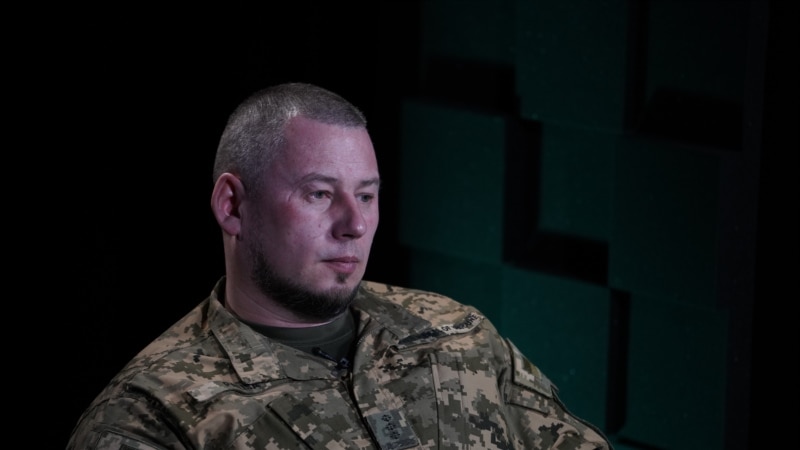
Brigadier General Pavlo Palisa, Deputy Head of the Office of the President of Ukraine, expressed optimism regarding improvements in military rotations at the front lines by mid to late spring. In an interview with Radio Free Europe’s Donbas Realities project, he acknowledged the ongoing challenges faced by troops stationed for extended periods.
Palisa noted that the issue of troop rotation is twofold: it involves the overall replenishment of combat units and the specific challenges of rotating troops at the front. He pointed out that many military units have remained in their operational areas since 2022 without rotation, even those that were present at the onset of Russia’s full-scale invasion.
“Currently, considering the situation on the front, it is not feasible to withdraw entire brigades for rest and recovery within a set timeframe,” Palisa stated. He mentioned that while some battalions are periodically rotated out for recovery, this is contingent upon available resources and the specific conditions in their defensive sectors.
Addressing the complexities of front-line rotations, he described the current situation as particularly challenging due to personnel shortages. He emphasized the need for a fair distribution of troops to allow commanders to stabilize rotations and manage the demanding conditions faced by soldiers, especially during harsh winter months.
Palisa also highlighted recent decisions made by the Commander-in-Chief regarding troop mobilization, which aim to ensure a minimum guaranteed number of mobilized personnel for front-line units. “The brigades are receiving reinforcements, albeit not as substantial as they would prefer, but it is consistent,” he remarked.
He elaborated on the basic military training cycle, which lasts 51 days, indicating that brigades receive a defined number of personnel from recruitment centers every 26 days. This structured approach aims to provide commanders with a noticeable influx of new troops every two months, enhancing their ability to conduct rotations and plan effectively.
“After two or three training cycles, I anticipate a significant impact along the entire front line, facilitating rotations, allowing for personnel rest, and enabling commanders to plan for various contingencies,” Palisa explained. He underscored the interconnectedness of these factors, noting that adjustments will be made as needed based on ongoing assessments.
Furthermore, he reported a positive trend in mobilization efforts over the past eight months, with most recruits being sourced from territorial recruitment centers. Since the onset of the Russian invasion on February 24, martial law and general mobilization have been in effect, with the Ukrainian Parliament extending these measures every three months.
Brigadier General Pavlo Palisa discussed the ongoing challenges of military rotations in Ukraine, expressing hope for improvements by late spring. He highlighted the complexities of troop management amid the ongoing conflict and recent mobilization efforts.
Source: Radio Free Europe