The introduction of the Carbon Border Adjustment Mechanism (CBAM) is already impacting Ukraine’s steel industry, as European Union buyers reduce their metal purchases. Industry leaders are urging a reassessment of the regulations to provide Ukraine with special conditions regarding the environmental tax.
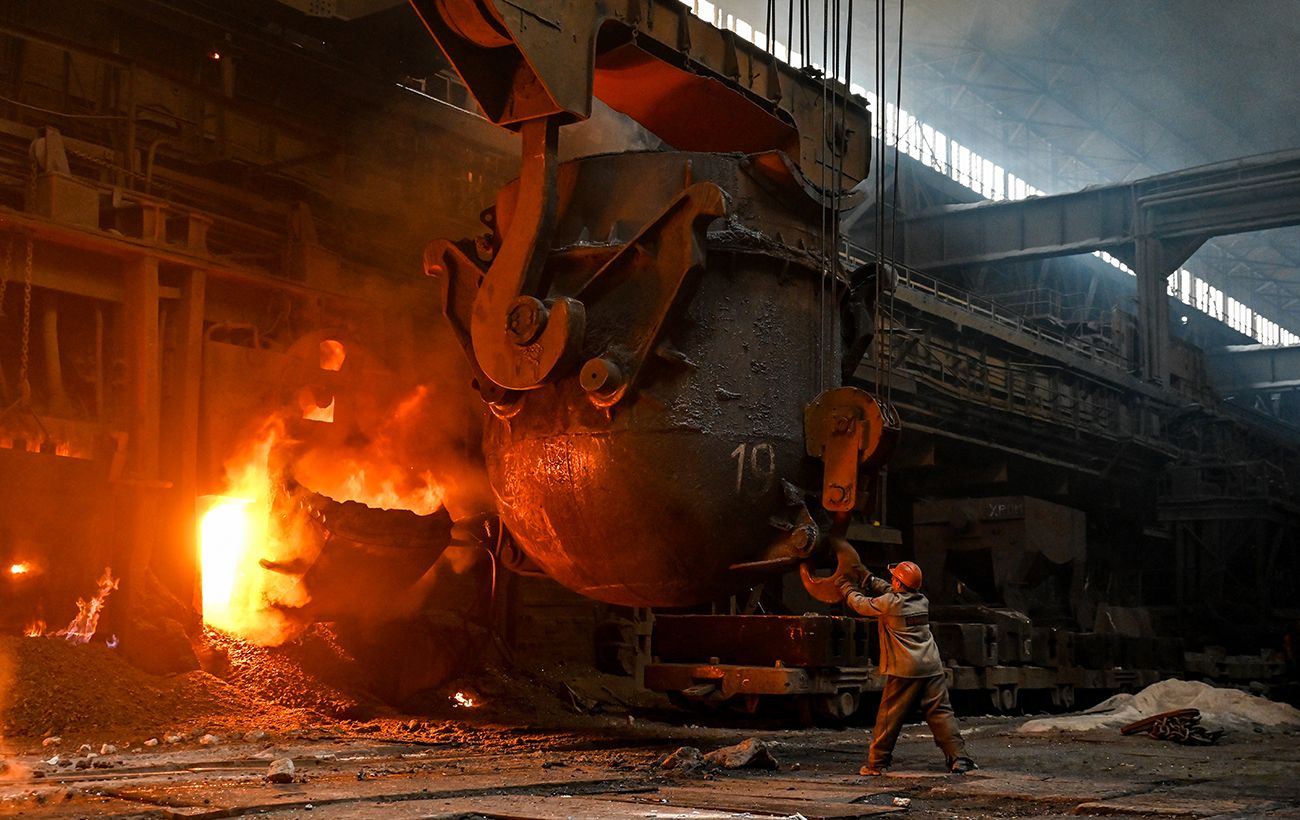
A delegation from the EU visited the Kametstal steel mill to observe its operations amid the ongoing war, energy supply instability, logistical challenges, and EU regulatory hurdles. The representatives engaged with the plant’s CEO, Oleksandr Tretiakov, toured the production facilities, and witnessed firsthand how the company continues to operate despite persistent risks and restrictions.
Nikola Sibona, head of the trade and economic department of the EU Delegation to Ukraine, noted that the visit was part of a direct dialogue with Ukrainian metallurgical enterprises, allowing for an assessment of the current working conditions in the sector. He emphasized that the European side recognized how production processes are adapting to ongoing challenges while maintaining operational resilience.
During discussions at the plant, significant attention was given to the risks posed by the implementation of CBAM for Ukraine’s steel industry. Company representatives and workers highlighted that, in the context of war, this mechanism creates additional financial and technical barriers for an industry already operating at its limits.
At Kametstal, officials reported early negative consequences, including:
- a decline in purchases of Ukrainian steel products in the EU;
- a reduction in imports of pig iron and semi-finished products as European consumers shift to alternative suppliers.
Kametstal advocates for special provisions regarding the implementation of CBAM for Ukraine, particularly a delay in its full application. One proposed solution involves altering the approach to financing decarbonization in heavy industry, suggesting that CBAM payments for Ukrainian products be accumulated in special accounts within the EU, with the funds directed toward modernization and emission reduction projects for Ukrainian manufacturers.
The CBAM mechanism is set to introduce a carbon tax on imports to the EU for certain products, including steel, cement, fertilizers, electricity, aluminum, and hydrogen, starting in 2026.
The EU's CBAM is affecting Ukraine's steel industry, prompting calls for special provisions. A recent visit by EU officials to Kametstal highlighted the operational challenges faced by the sector amid ongoing conflict.