The Russian military’s prospects for success in Ukraine appear increasingly bleak, as diplomatic negotiations fail to provide the Kremlin with a viable exit strategy from the ongoing crisis.
According to analysis from The Economist, the Russian military’s plans for achieving significant victories in Ukraine are proving to be increasingly illusory. Despite hopes that negotiations in Geneva might yield concessions from Kyiv, the diplomatic route is effectively closed.
From June 2021 to May 2024, Russian forces have advanced a mere 60 kilometers in the Donetsk region, a stark contrast to historical conflicts where similar advances spanned thousands of kilometers.
Internal challenges within Russia exacerbate the situation. A shortage of trained soldiers, low morale, and high desertion rates hinder military effectiveness. Additionally, restrictions on communications, including the shutdown of Telegram and the blocking of Starlink, sever critical channels for communication and logistics.
Even potential strikes on Ukrainian infrastructure are unlikely to alter the course of the war. The Russian economy faces rising debt, declining revenues, and difficulties in reallocating resources, including reintegrating soldiers returning from the front lines.
Experts note, “Russia relies on money rather than patriotism to recruit soldiers. Neglect of veterans and the state’s refusal to provide compensation to families of the deceased increase the cost of recruitment.”
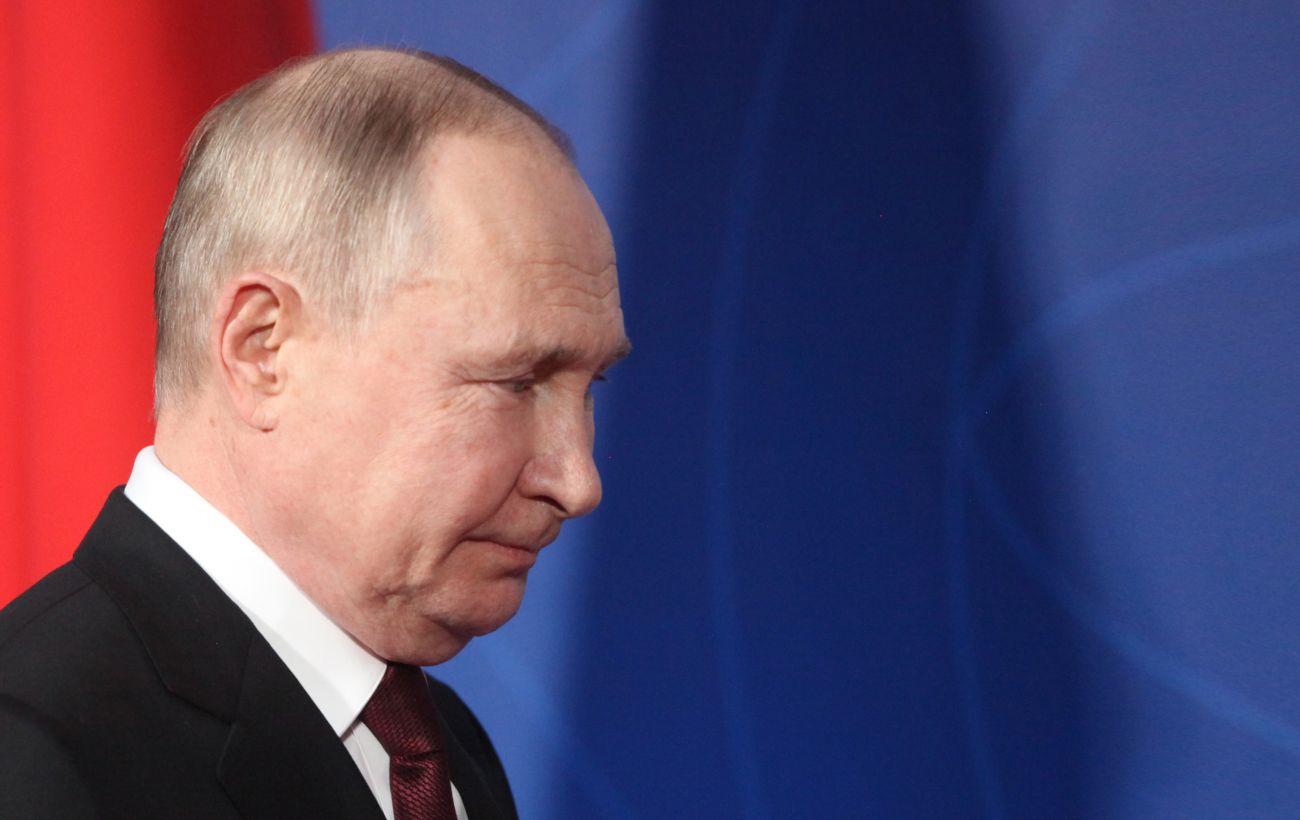
The internal crisis, escalating economic challenges, and military inefficacy jeopardize President Putin’s ambitions of being recognized as a significant leader in history. Even successful diplomatic maneuvers are unlikely to resolve the fundamental issues confronting the Kremlin both on the battlefield and domestically.
The Russian military faces significant challenges in Ukraine, compounded by internal issues and failed diplomatic efforts. The situation raises questions about the Kremlin's future and Putin's leadership ambitions.