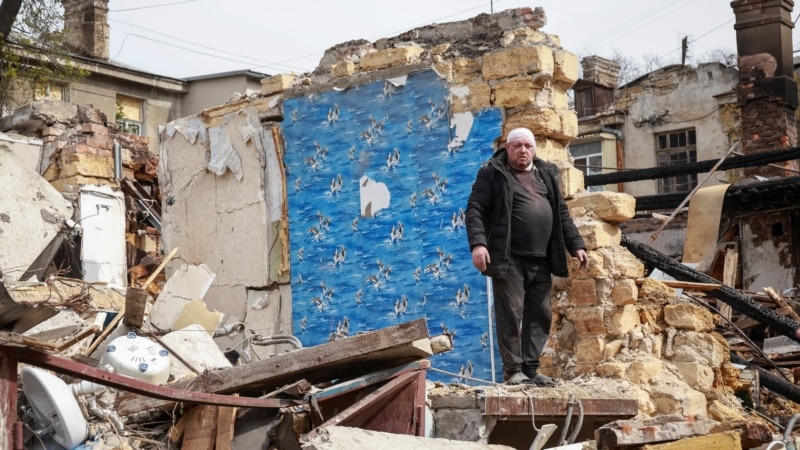
In response to a recent wave of attacks from Russia, Ukrainian President Volodymyr Zelensky announced significant enhancements to the country’s defense systems, particularly focusing on Dnipro and Odesa. During his evening address, he emphasized that military leadership and the Ministry of Defense are analyzing each assault to develop effective strategies.
Zelensky detailed that additional radar systems, electronic warfare units, and more personnel would be deployed to Dnipro. Odesa will also see increased defensive measures, with a goal of improving the interception rates of incoming threats. He acknowledged the intensity of Russian strikes aimed at circumventing Ukraine’s air defense systems.
Ukrainian authorities are actively collaborating with international partners to secure components for air defense against missile attacks. Zelensky mentioned that efforts are ongoing to fulfill supply needs identified in April, with similar objectives set for May. The focus remains on strengthening Ukraine’s defenses through enhanced cooperation with nations that have previously had limited engagement.
Recent reports indicate that both Dnipro and Odesa have faced regular assaults from Russian forces. According to the Ukrainian Air Force, from 8 AM to 3:30 PM today, 409 attack drones of various types, including Shahed models, were launched at Ukraine, with air defense successfully neutralizing 388 of them. Casualties and damage have been reported in regions such as Ternopil and Rivne.
Russian military operations have increasingly targeted Ukrainian cities and civilian infrastructure using a variety of weaponry, including drones, missiles, and rocket systems. Both Ukrainian officials and international organizations classify these attacks as war crimes, highlighting their deliberate nature.
The strikes on essential services and healthcare facilities are viewed as attempts to deprive civilians of electricity, heating, water supply, communication, and medical assistance. Legal experts and human rights advocates argue that these actions may constitute genocide, citing public declarations from Russian officials regarding the existence of Ukrainians as a distinct ethnic group.
According to the 1948 UN Convention on the Prevention and Punishment of the Crime of Genocide, which has 149 signatory nations, member states are obligated to prevent and punish acts of genocide both in wartime and peacetime. The Convention defines genocide as actions intended to destroy, in whole or in part, a national, ethnic, racial, or religious group.
Indicators of genocide include the killing of group members, causing serious bodily or mental harm, deliberately inflicting living conditions aimed at destroying a group, preventing births, and forcibly transferring children to another group. Despite these claims, Russian leadership denies that its military is intentionally targeting civilian infrastructure and harming non-combatants.
Ukraine is ramping up its defense capabilities in response to intensified Russian attacks, particularly in Dnipro and Odesa. President Zelensky outlined measures to enhance air defense systems while international collaboration continues to secure necessary resources.