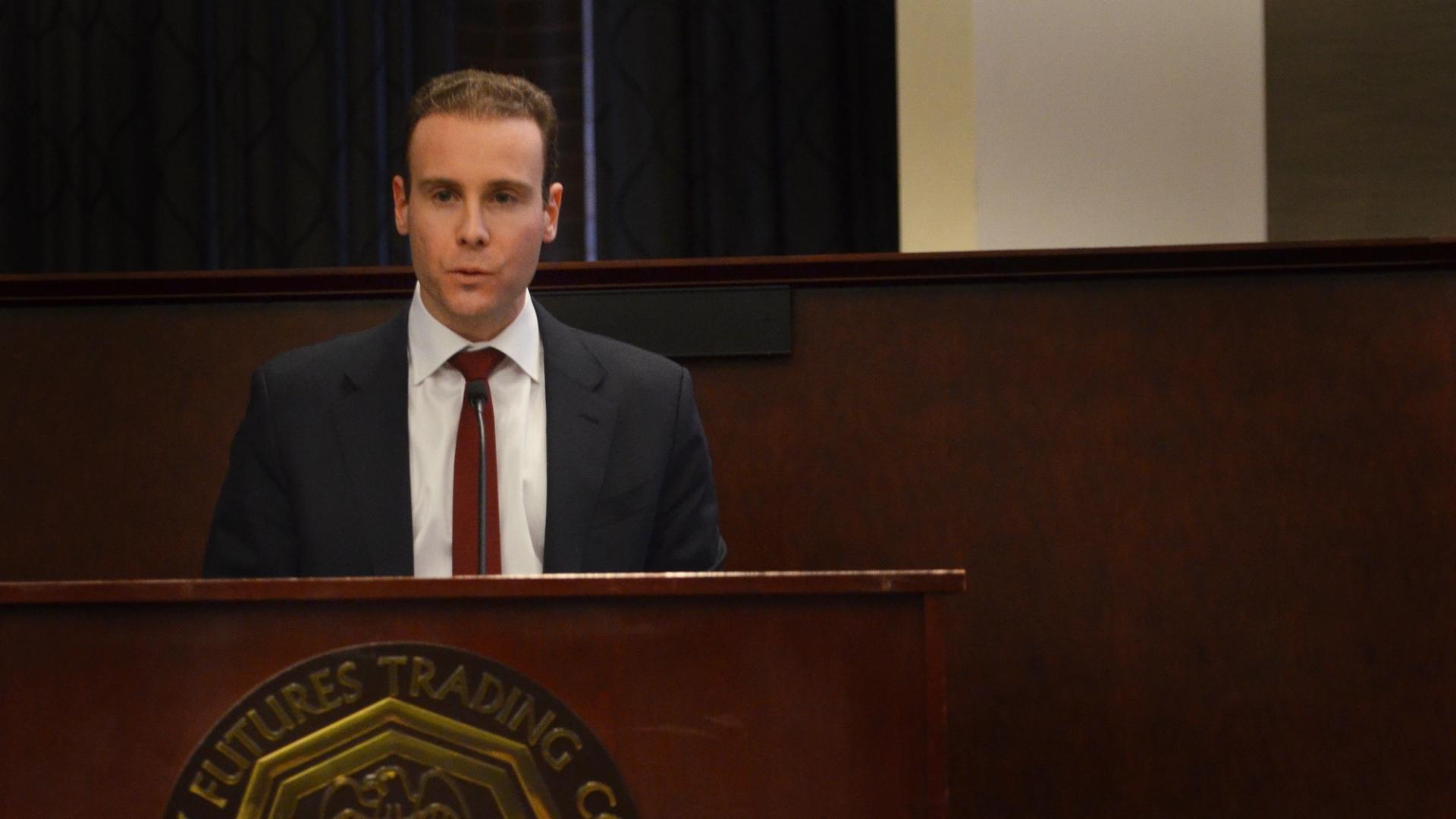
The U.S. Commodity Futures Trading Commission (CFTC) is adapting to increased regulatory responsibilities in cryptocurrency and prediction markets, according to Chairman Mike Selig’s recent testimony before the House Agriculture Committee. Selig noted that despite significant staff reductions, the agency is leveraging artificial intelligence to enhance its oversight capabilities.
Since 2025, approximately 25% of the CFTC’s workforce has departed, a consequence of directives from the Trump administration aimed at reducing the federal workforce. This reduction comes at a time when the agency is tasked with regulating burgeoning sectors such as cryptocurrency and prediction markets, which have seen substantial growth.
During the hearing, Selig emphasized the role of AI tools, including Microsoft’s Copilot, in improving the efficiency of investigations and regulatory workflows. He assured lawmakers that the agency is functioning effectively despite the staffing challenges. “We are running more efficiently and effectively,” he stated in response to concerns about the declining workforce.
Committee Chairman Glenn Thompson highlighted the CFTC’s expanding responsibilities, particularly regarding digital assets and prediction markets. He urged Selig to seek additional resources if necessary, to which Selig responded affirmatively, indicating a willingness to request further support if the need arises.
Although Selig described market enforcement as a priority, the CFTC’s budget proposal for the upcoming year includes only three additional enforcement staff, bringing the total to 108—still below the 140 staff members allocated in 2025.
The ongoing development of the Digital Asset Market Clarity Act aims to position the CFTC as a key regulator of non-securities cryptocurrency trading, which encompasses major assets like Bitcoin and Ethereum. Additionally, the agency is asserting its jurisdiction over prediction markets, which have surged from millions to billions of dollars in transaction volume over the past year.
Former CFTC Chairman Rostin Behnam had previously advocated for increased staffing to effectively oversee the expanding crypto and prediction markets. Under Selig’s leadership, these markets have faced scrutiny over allegations of insider trading, particularly concerning trades linked to U.S. military actions and government announcements. Selig acknowledged that there are “numerous investigations ongoing” related to these markets but refrained from disclosing specific details.
He reiterated the CFTC’s commitment to preventing insider trading, fraud, and market manipulation, asserting that regulated platforms serve as the first line of defense. “We regularly reject contracts,” he stated, emphasizing the agency’s proactive stance against illicit activities.
Representative Angie Craig, the committee’s leading Democrat, expressed concerns about the agency’s capacity to manage its responsibilities effectively with a diminished workforce. She called for increased funding and staffing to enable the CFTC to fulfill its regulatory duties in these volatile markets.
Additionally, the CFTC currently operates with only one commissioner, as the White House has not appointed the required five members to the commission. Selig faced questions regarding the implications of this vacancy on rulemaking processes. He assured the committee that he would continue to advance regulatory initiatives independently, stating, “We cannot for the sake of the American people slow down our rulemaking.” The CFTC is in the early stages of establishing regulations for U.S. prediction markets while also pursuing policy initiatives in the cryptocurrency sector.
Chairman Mike Selig of the CFTC outlined the agency's strategies to manage increased oversight in cryptocurrency and prediction markets during a recent congressional hearing. Despite significant staff reductions, Selig emphasized the use of AI tools to enhance regulatory efficiency and affirmed the agency's commitment to preventing market manipulation and insider trading.