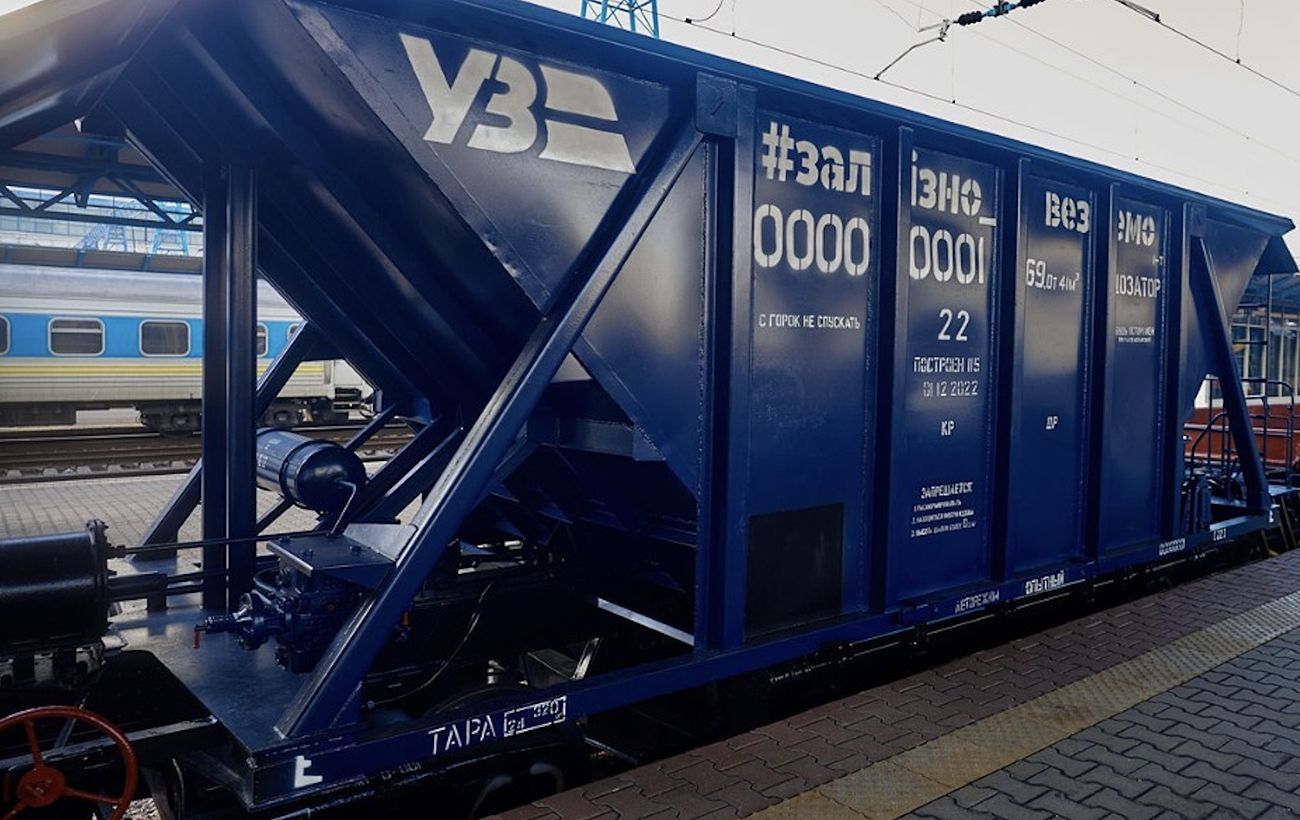
The freight transport sector in Ukraine has consistently generated substantial operational profits, reaching up to 20 billion UAH annually in recent years. However, the ongoing practice of cross-subsidization threatens to destabilize this profitable segment.
According to industry expert Olena Kolesnikova, the primary issue lies not in a lack of revenue from freight operations but in the existing model of cross-subsidization, which effectively turns freight shippers into perpetual donors for passenger transport.
Kolesnikova highlighted that losses within the passenger segment are systemic and escalating. In 2024, these losses are projected to exceed 18 billion UAH, rising to over 22 billion UAH in 2025, and potentially surpassing 25 billion UAH in 2026. In contrast, during 2021, when freight volumes were significantly higher, the losses in the passenger segment were considerably lower.
She argues that the profitable freight segment can no longer absorb the increasing losses from passenger services without jeopardizing its own viability.
Funds that should be allocated for infrastructure modernization, upgrading rolling stock, enhancing capacity, and reducing logistics costs are instead being systematically redirected to compensate for the chronic structural losses in passenger transport.
Kolesnikova asserts that this practice diminishes the competitiveness of Ukrainian enterprises and adversely affects the country’s investment attractiveness, creating the potential for a delayed crisis within the industry.
In light of these challenges, it is noteworthy that Ukrzaliznytsia (UZ) has sought to implement a 40% increase in freight tariffs to offset the losses incurred by the passenger segment. However, the Ministry of Economy has opposed this move, emphasizing that before any tariff increases are enacted, UZ must update its tariff schedule, which has remained unchanged since 2009. Minister of Economy Oleksiy Sobolev stated that a blanket increase in tariffs would not yield the desired results, as some freight would shift to road transport or diminish due to business shutdowns.
The freight transport sector in Ukraine, while profitable, faces significant challenges due to cross-subsidization practices that are straining its viability. Rising losses in the passenger segment are prompting calls for tariff increases, but regulatory hurdles complicate the situation.