Ukrainian air defense forces successfully intercepted a ballistic missile and 149 drones during a nighttime assault by Russia, according to a statement from the Ukrainian Armed Forces’ Air Force on Telegram.
Military officials reported that eight ballistic missiles and 14 strike drones were targeted across 14 locations, with debris from intercepted missiles falling in 10 areas. Two Russian ballistic missiles failed to reach their intended targets.
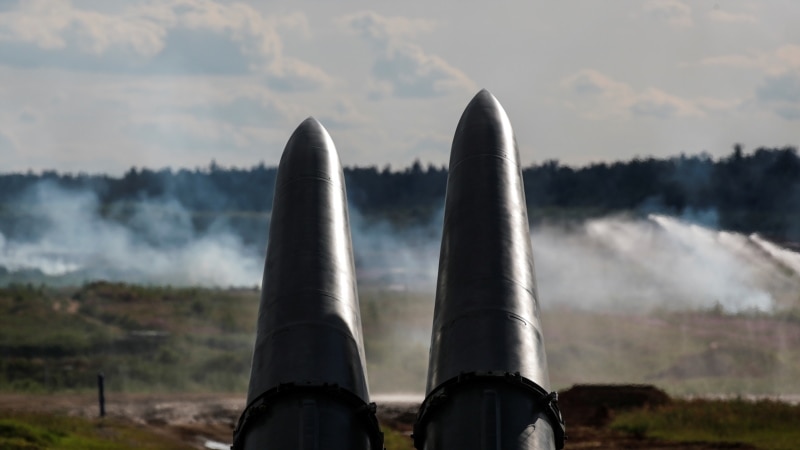
On the night of May 5, Russian forces launched 11 Iskander-M ballistic missiles from the Rostov, Voronezh, and Bryansk regions, along with 164 strike drones of various types.
In a related context, Ukrainian President Volodymyr Zelensky expressed concerns regarding the impact of the ongoing U.S.-Israeli conflict with Iran on American support for Ukraine. He specifically noted the importance of Patriot missiles for intercepting Russian ballistic missiles, indicating a critical shortage of effective alternatives for Ukraine.
Russian military operations continue to target Ukrainian cities and civilian infrastructure using a range of weaponry, including strike drones, missiles, and guided aerial bombs. These attacks have been classified by Ukrainian authorities and international organizations as war crimes, emphasizing their deliberate nature.
Attacks on essential services and healthcare facilities are viewed as attempts to deprive civilians of electricity, heating, water supply, communication, medical assistance, and other vital resources. Legal experts and human rights advocates have raised alarms about the potential classification of these actions as genocidal, citing various indicators.
These indicators include public declarations by Russian officials regarding the existence of Ukrainians as an ethnic group, calls for their destruction, targeted strikes on critical infrastructure, and the persecution of pro-Ukrainian individuals in occupied territories. Additionally, the systematic targeting of intellectuals and cultural figures, as well as the forced deportation of children to Russia, further underscores these concerns.
The 1948 United Nations Convention on the Prevention and Punishment of the Crime of Genocide obligates its 149 member states to prevent and punish acts of genocide during both wartime and peacetime.
The Convention defines genocide as actions aimed at the complete or partial destruction of a national, ethnic, racial, or religious group. Key indicators of genocide include the killing of group members, causing serious bodily or mental harm, deliberately creating living conditions intended to destroy a group, and public incitement to commit such acts.
Russian leadership has denied that its military is intentionally targeting civilian infrastructure, asserting that the operations are aimed at military objectives.
Ukrainian air defense forces intercepted a missile and numerous drones during a recent Russian attack. The ongoing strikes on civilian infrastructure have raised concerns about potential war crimes and genocide, as outlined by international legal standards.