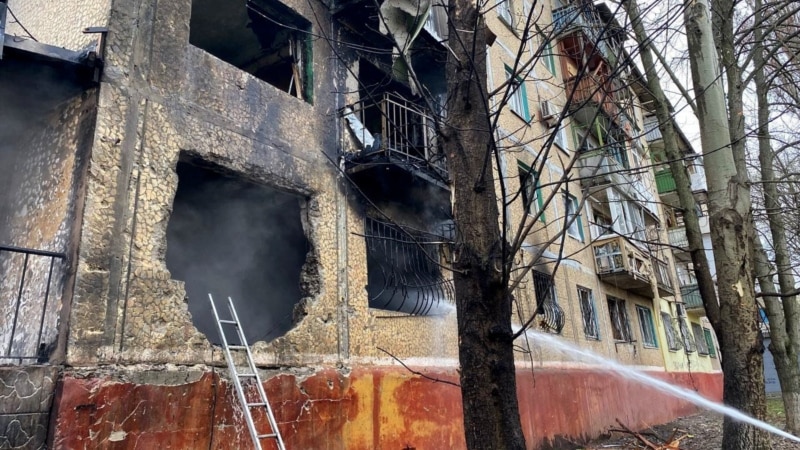
Recent airstrikes by Russian forces in Kramatorsk have resulted in the deaths of three individuals, with three others injured, including a 16-year-old, as reported by regional military administration head Vadim Filashkin.
The attacks occurred in the evening, leading to significant damage to at least two administrative buildings and numerous residential structures. Filashkin confirmed that all injured parties are receiving necessary medical care.
This incident follows earlier reports of Russian military actions in Kramatorsk, where five bombs were dropped on April 3, resulting in at least two fatalities and three injuries. Additionally, on April 1, five drones were deployed against the city center.
The Russian military has been consistently targeting Ukrainian cities and civilian infrastructure using various weaponry, including drones, missiles, and guided bombs. These actions have drawn condemnation from Ukrainian authorities and international organizations, which classify them as war crimes.
Officials highlight that the attacks on essential services and healthcare facilities aim to deprive civilians of electricity, heat, water, communication, and medical assistance, raising concerns about potential genocidal actions. Legal experts and human rights advocates argue that such assaults constitute various forms of crimes that could be classified as genocide under international law.
According to the 1948 United Nations Convention on the Prevention and Punishment of the Crime of Genocide, participating countries are obligated to prevent and punish acts of genocide both during wartime and in peacetime. The Convention defines genocide as actions intended to destroy, in whole or in part, a national, ethnic, racial, or religious group.
Indicators of genocide include the killing of group members, causing serious bodily or mental harm, deliberately inflicting conditions calculated to bring about the group’s destruction, preventing births within the group, and forcibly transferring children from one group to another.
The Russian leadership denies targeting civilian infrastructure during the ongoing conflict, asserting that their military operations do not intentionally harm civilians or destroy essential services.
Airstrikes in Kramatorsk by Russian forces have resulted in multiple casualties and significant damage to infrastructure. These attacks are part of a broader pattern of military actions that Ukrainian authorities and international organizations classify as war crimes, raising serious concerns about potential genocidal intent.