Mohammad Baqer Qalibaf, Iran’s chief negotiator, asserted on June 19 that future discussions with the United States will adhere strictly to Tehran’s established “red lines,” despite a recent agreement aimed at ending hostilities. Qalibaf emphasized Iran’s commitment to safeguarding its national interests and warned that any attempt to exceed agreed limitations would provoke a strong response.
In remarks reported by the state news agency IRNA, he stated, “If the enemy seeks overreach, we have demonstrated that our fingers are on the trigger.” His comments followed the endorsement of the agreement by Supreme Leader Ayatollah Mojtaba Khamenei, who clarified that direct negotiations with Washington would not equate to accepting the adversary’s viewpoint.
The memorandum of understanding, signed by Iranian President Masoud Pezeshkian and U.S. President Donald Trump, sets the stage for a 60-day negotiation period focusing on Iran’s nuclear program and the potential easing of sanctions. However, skepticism persists among conservative factions in Iran regarding U.S. intentions.
Hosseyn Shariatmadari, editor of the ultra-conservative newspaper Kayhan, expressed doubt, stating that “the Americans do not fulfill any obligations.” Some lawmakers have also raised concerns about possible international inspections of Iran’s nuclear facilities.
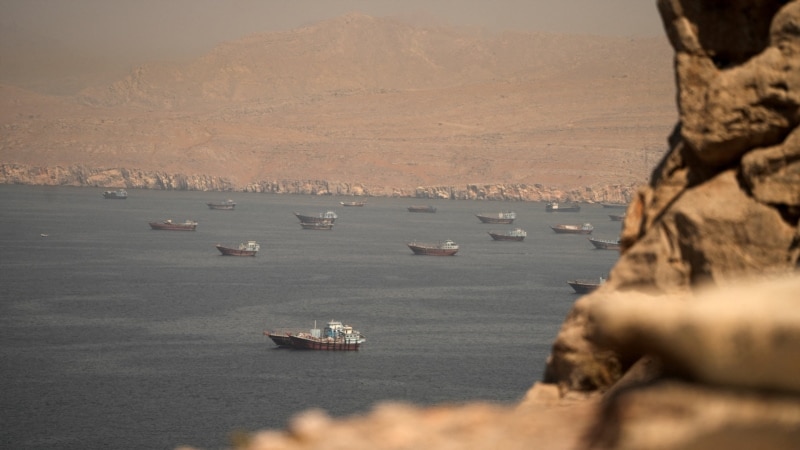
On June 18, the number of commercial vessels transiting the Strait of Hormuz reached 25, the highest level since mid-April, according to various analysts. The maritime data firm Kpler noted, “The number of confirmed crossings of the Strait of Hormuz reached 25 on June 18, indicating a significant increase in daily maritime activity.” This uptick suggests improved operational conditions, although Kpler cautioned that unresolved implementation details and ongoing “dark” crossings reflect a sustained level of caution among vessel operators.
AXSMarine, another maritime monitoring company, corroborated these figures, stating that they recorded the highest volume of crossings since April 18. Before the conflict, commercial traffic through the strait averaged around 110 crossings per day. Since March 1, the average number of crossings had been 7.6 per day.
The increase in crossings follows the agreement between Iran and the United States to open maritime routes as part of the memorandum of understanding. Although plans for negotiations in Switzerland on June 19 were canceled, this has not deterred Iran’s intention to keep the strait open.
The Iranian Persian Gulf Administration (PGSA) announced on June 19 that it would waive transit requirements during the 60-day negotiation period, although vessels wishing to cross the strait must submit transit requests upon arrival. Following U.S. and Israeli strikes that escalated the conflict on February 28, Iranian forces had effectively closed the strait, which previously facilitated approximately 20% of global oil and liquefied natural gas traffic.
Iran's chief negotiator has reiterated the country's firm stance in upcoming negotiations with the U.S., emphasizing the protection of national interests. Concurrently, maritime traffic through the Strait of Hormuz has seen a notable increase, reflecting changing operational conditions amidst ongoing diplomatic efforts.