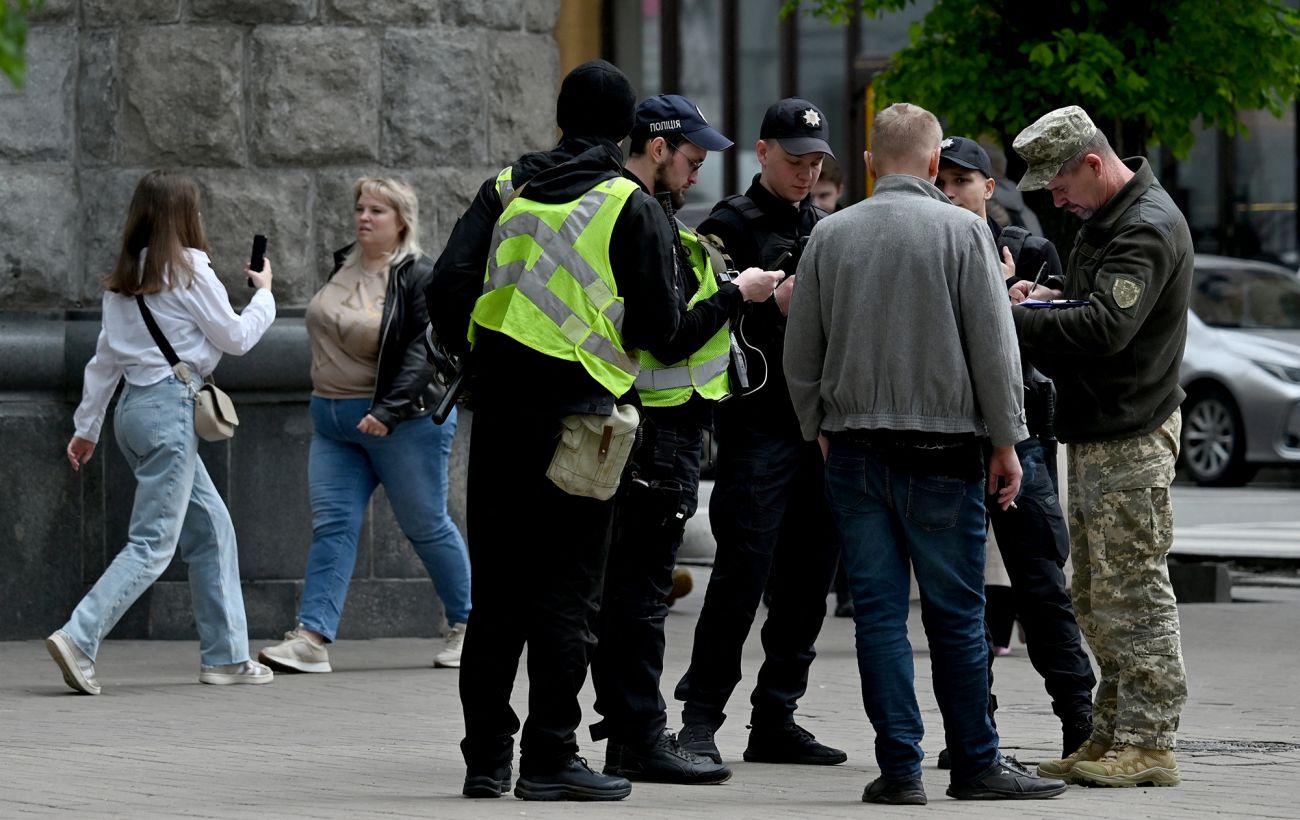
In Ukraine, a legislative proposal has been introduced to reform military recruitment centers, transforming them into fully digital service hubs. This initiative seeks to streamline interactions between citizens and recruitment offices through an electronic cabinet, implement online notifications, and enhance transparency in the mobilization process.
The draft law, presented by Maxim Zaremsky, a member of the ruling Servant of the People party, aims to eliminate direct contact, reduce corruption risks, and clarify recruitment regulations.
The proposed changes include:
- All interactions with recruitment centers to occur exclusively through an electronic cabinet.
- Notifications for military service will be issued solely in digital form, with confirmation of receipt.
- Citizens will have access to comprehensive information regarding their eligibility status, deferments, and reserve status within the cabinet.
Additionally, the proposal outlines the need for clear mobilization criteria:
- Establishing understandable criteria for recruitment based on age, health status, and specialty.
- Setting a clear order of priority for enlistment.
- Clarifying the rationale behind recruitment decisions.
To enhance oversight of recruitment center operations, the proposal suggests:
- Recording all interactions between recruitment center staff and military personnel on video.
- Creating an independent body for complaints regarding recruitment center actions.
- Implementing personal accountability for any violations.
The role of recruitment center staff is also set to change:
- Staff will not only focus on mobilization but also provide consultations on rights and obligations, as well as assist with documentation.
Furthermore, the proposal advocates for a division of responsibilities within recruitment centers:
- Some staff will handle record-keeping and administration.
- Others will be responsible for making mobilization decisions.
In response to the initiative, Fedor Venislavsky, a member of the Ukrainian Parliament’s National Security, Defense, and Intelligence Committee, emphasized the sensitivity of mobilization issues during wartime. He noted that any proposals in this area tend to generate significant public interest.
Venislavsky remarked that the bill, introduced by a member of Parliament, represents a personal initiative and does not align with the ongoing efforts of the Ministry of Defense. He expressed skepticism about the likelihood of the bill being discussed in Parliament.
He stated, “There is no point in discussing this project as it does not correlate with what the Ministry of Defense is developing and what will be supported by our Committee on National Security, Defense, and Intelligence.” He further commented that the bill’s introduction may serve as a means for the legislator to gain visibility.
As the Ukrainian government continues to refine its military recruitment strategies, the focus remains on expanding contract-based service and modernizing existing mobilization mechanisms. The Ministry of Defense is preparing a comprehensive reform of the recruitment system, with ten of the thirty planned projects already ready for implementation. Further details on upcoming changes and updated procedures are expected to be announced soon.
Recent discussions indicate that reforms will not only address mobilization but also involve decisions regarding service terms and compensation for different military roles, including assault troops and infantry. Defense Minister Mykhailo Fedorov has been tasked with proposing systemic solutions to the challenges faced by recruitment centers.
A new legislative proposal in Ukraine aims to digitize military recruitment centers to enhance transparency and efficiency in the mobilization process. While the initiative has sparked interest, skepticism remains about its potential for parliamentary discussion.