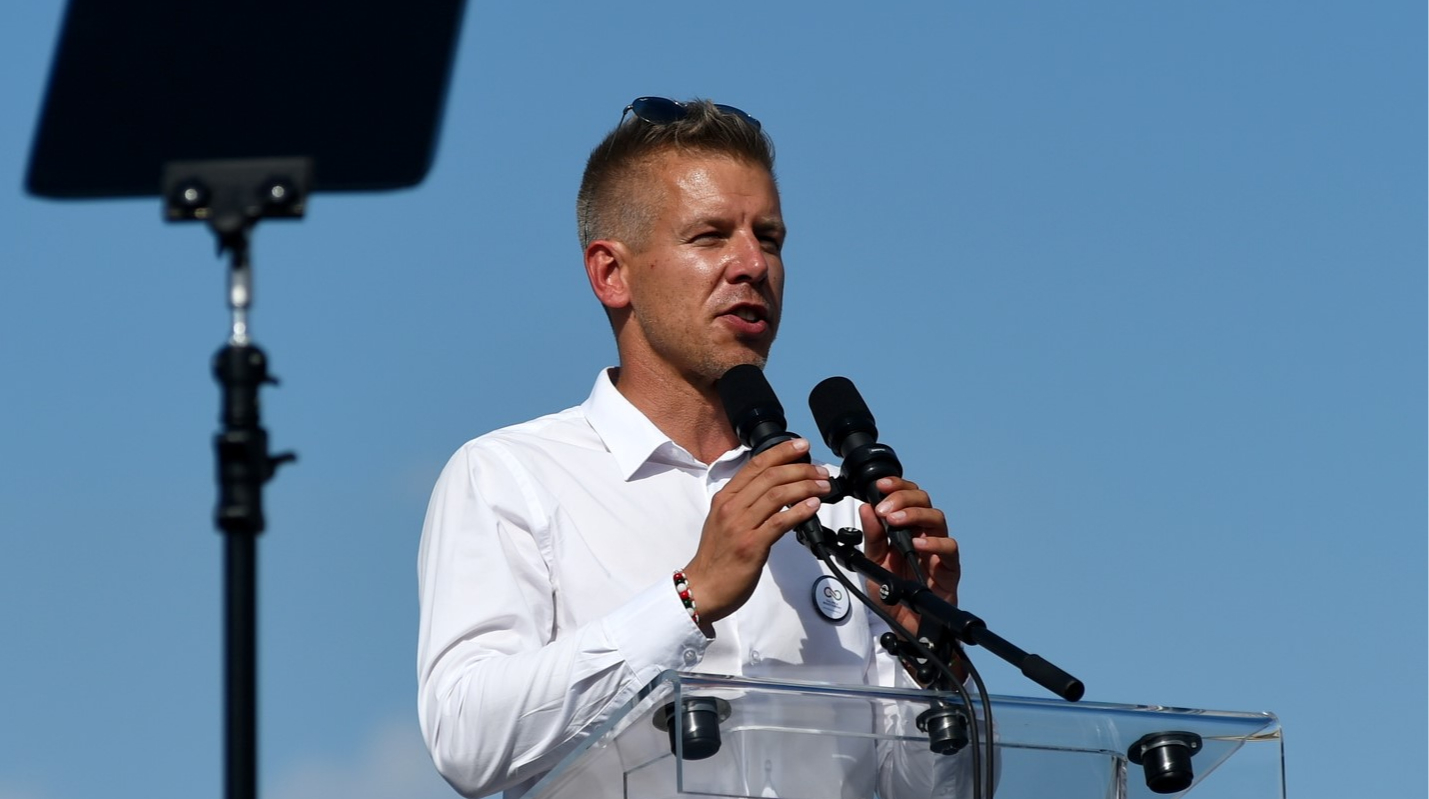
Péter Madiar, Hungary’s newly appointed Prime Minister, has officially ended the state of emergency that was enacted by his predecessor, Viktor Orban, in response to perceived threats of war.
In a statement shared on Facebook, Madiar announced, “Today, after four years, the state of emergency linked to the threat of war, introduced by Orban, is coming to an end. We are saying goodbye to governance based on decrees established six years ago and returning to normal life.”
The state of emergency was initially declared in 2020 due to the Covid-19 pandemic and was later extended in 2022 following Russia’s invasion of Ukraine. Since then, the Hungarian government in Budapest had routinely renewed this measure.
Hungarian law recognizes three distinct legal situations: a state of war, a state of emergency, and a state of threat. In all these scenarios, the government is granted the authority to issue decrees.
In addition to lifting the state of emergency, Madiar has also indicated that he is giving President Tamas Suyok until the end of May to resign voluntarily; otherwise, he may face removal through amendments to the constitution.
On May 13, the President condemned a Russian drone attack in Transcarpathia, marking a significant diplomatic moment as the new Foreign Minister summoned the Russian ambassador in response—an unprecedented action since the onset of the full-scale war.
Péter Madiar has lifted the state of emergency in Hungary, which had been in place for four years due to the pandemic and the war in Ukraine. This move signals a shift in governance and a potential political reshuffling within the government.