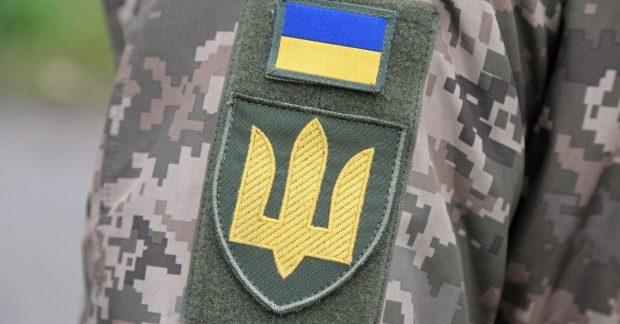
The military landscape in Ukraine is facing challenges as the country continues to navigate its ongoing conflict. Recently, officials from the Lviv Regional Center for Recruitment and Social Support clarified the differences between two critical terms: unauthorized absence (СЗЧ) and desertion. These distinctions are essential for understanding military conduct and the legal implications involved.
Unauthorized absence, as defined under Article 407 of the Ukrainian Criminal Code, refers to a temporary departure from a military unit without permission, with the intention of returning. In contrast, desertion, outlined in Article 408, involves a deliberate decision to leave military service with no intention of returning, often to evade military duties.
The key difference lies in the intent of the serviceman. In cases of unauthorized absence, a soldier may leave due to personal issues, conflicts, or fatigue but plans to come back. Desertion, however, indicates a desire to permanently cease military service.
Duration of absence is another critical factor. Unauthorized absence is typically short-term, and during wartime, legal consequences usually arise after three to ten days of absence, depending on specific circumstances. Desertion, on the other hand, is characterized by a prolonged absence or failure to report for duty without any intention to return.
Consequences for these actions also differ significantly. For unauthorized absence, penalties range from five to ten years of imprisonment during wartime. In contrast, desertion carries a more severe punishment, with sentences ranging from five to twelve years.
Additionally, if a serviceman voluntarily returns and acknowledges their absence, this may be considered a mitigating factor in court. Desertion is treated as a more serious offense, leading to harsher penalties.
Streamlined Procedures for Returning from Unauthorized Absence
In April, the General Staff of the Armed Forces of Ukraine announced measures to simplify the process for servicemen returning after unauthorized absence. The new procedures eliminate intermediate steps in processing documentation, allowing direct submission from military units to the General Staff. This change aims to expedite the reassignment of servicemen and enhance transparency in the transfer process, reducing potential manipulation by certain officials.
The General Staff has indicated that these reforms are intended to decrease instances of unauthorized absence by offering a more democratic approach to transfers within the military.
Previously, General Oleksandr Syrskyi, the Commander-in-Chief of the Armed Forces of Ukraine, noted that a primary reason for unauthorized absence is soldiers’ reluctance to serve, often due to fears for their safety.
Related News
- A Combat Medic’s Return: Why She Chose to Rejoin After Unauthorized Absence
- A Soldier’s Double Unauthorized Absence: Court Sentencing Details
- Insights from the Deputy Commander of KRAKEN on Unauthorized Absence
This article explains the legal distinctions between unauthorized absence and desertion in the Ukrainian military, highlighting the implications of each. It also discusses recent procedural changes aimed at facilitating the return of servicemen who leave without permission.