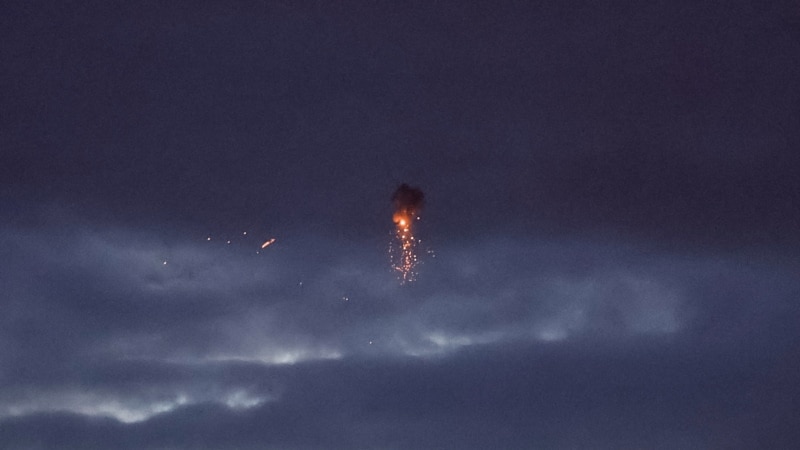
On April 15, the Ukrainian Air Force reported a significant military strike by Russian forces, which involved the use of 20 Kh-101 cruise missiles, one Iskander-K missile, and 361 drones, including approximately 200 Shahed drones. The attacks occurred between 9:00 AM and 10:00 PM local time.
According to preliminary data, by 10:00 PM, Ukrainian air defenses had successfully intercepted or neutralized 369 hostile targets. This included 19 Kh-101 cruise missiles, one Iskander-K missile, and 349 drones of various types, including Shahed, Gerbera, and Italmas.
The Ukrainian military noted that there were confirmed strikes from one missile and 12 attack drones at six locations, with debris reported to have fallen in 12 areas.
Russian forces have been consistently targeting Ukrainian cities and civilian infrastructure using a range of weaponry, including attack drones, missiles, and artillery systems. These actions have raised concerns among Ukrainian authorities and international organizations, which classify such strikes as war crimes.
Ukrainian officials assert that the attacks are aimed at crippling essential services, including electricity, heating, water supply, and medical assistance, thereby creating conditions detrimental to civilian life. Legal experts and human rights advocates argue that these actions could be indicative of genocidal intent, citing statements from Russian leadership that deny the existence of the Ukrainian nation.
Specific allegations include public calls for the destruction of Ukrainians, targeted attacks on critical infrastructure, and the persecution of individuals with pro-Ukrainian sentiments in occupied territories. Additionally, there are reports of efforts to erase Ukrainian cultural identity through educational reforms and the removal of Ukrainian literature from libraries.
The Convention on the Prevention and Punishment of the Crime of Genocide, adopted by the United Nations General Assembly in 1948, obligates signatory states to prevent and punish acts of genocide both in wartime and peacetime. The Convention defines genocide as actions aimed at the complete or partial destruction of a national, ethnic, racial, or religious group.
Signs of genocide include the killing of group members, causing serious bodily or mental harm, deliberately inflicting living conditions calculated to destroy a group, preventing births, and forcibly transferring children from one group to another.
In response to these allegations, Russian leadership has denied that its military is intentionally targeting civilian infrastructure, asserting that operations are conducted in accordance with military objectives.
Recent attacks by Russian forces on Ukraine have prompted allegations of war crimes, with claims that these strikes target civilian infrastructure and aim to undermine essential services. Legal experts suggest that such actions may constitute genocidal intent, as outlined in international law.