Ukraine’s railway operator, Ukrzaliznytsia, has implemented new safety protocols for passengers in response to a surge in drone attacks targeting logistics and transportation networks. The measures include the possibility of halting trains mid-journey for emergency evacuations, reflecting a shift in how the country manages security risks associated with ongoing conflict.
The recent uptick in attacks, primarily attributed to Russian FPV drones, has raised alarms about the vulnerability of not just passenger trains but also freight transport, which is crucial for military logistics and the economy. Key cities near the front lines, including Kharkiv, Sumy, and Zaporizhzhia, are now considered at high risk for such assaults.
Ukrzaliznytsia has reported increased strikes on its rolling stock, with targets including locomotives and various types of train cars. The logistics sector is feeling the pressure as civilian transport vehicles also become targets for drone strikes, indicating that logistics is no longer a safe rear area but rather part of the conflict zone.
Russian forces have systematically targeted Ukraine’s logistics infrastructure, affecting everything from railways to ports. The National Bank of Ukraine has estimated that the country lost approximately $1 billion in export revenues in the first quarter of 2026 due to these intensified attacks.
Military analysts suggest that the shift in tactics by Russian forces, particularly the use of drones to disrupt supply chains, aims to weaken Ukraine’s defense capabilities and economic stability. The Ukrainian military intelligence has confirmed a rise in drone attacks on transport logistics, particularly in border and frontline regions.
Key areas identified as being under threat include Chernihiv, Sumy, Kharkiv, Luhansk, Donetsk, Dnipropetrovsk, Zaporizhzhia, Kherson, and Mykolaiv. The limited range of FPV drones, however, confines the immediate risk to areas within approximately 40 kilometers of the front lines.
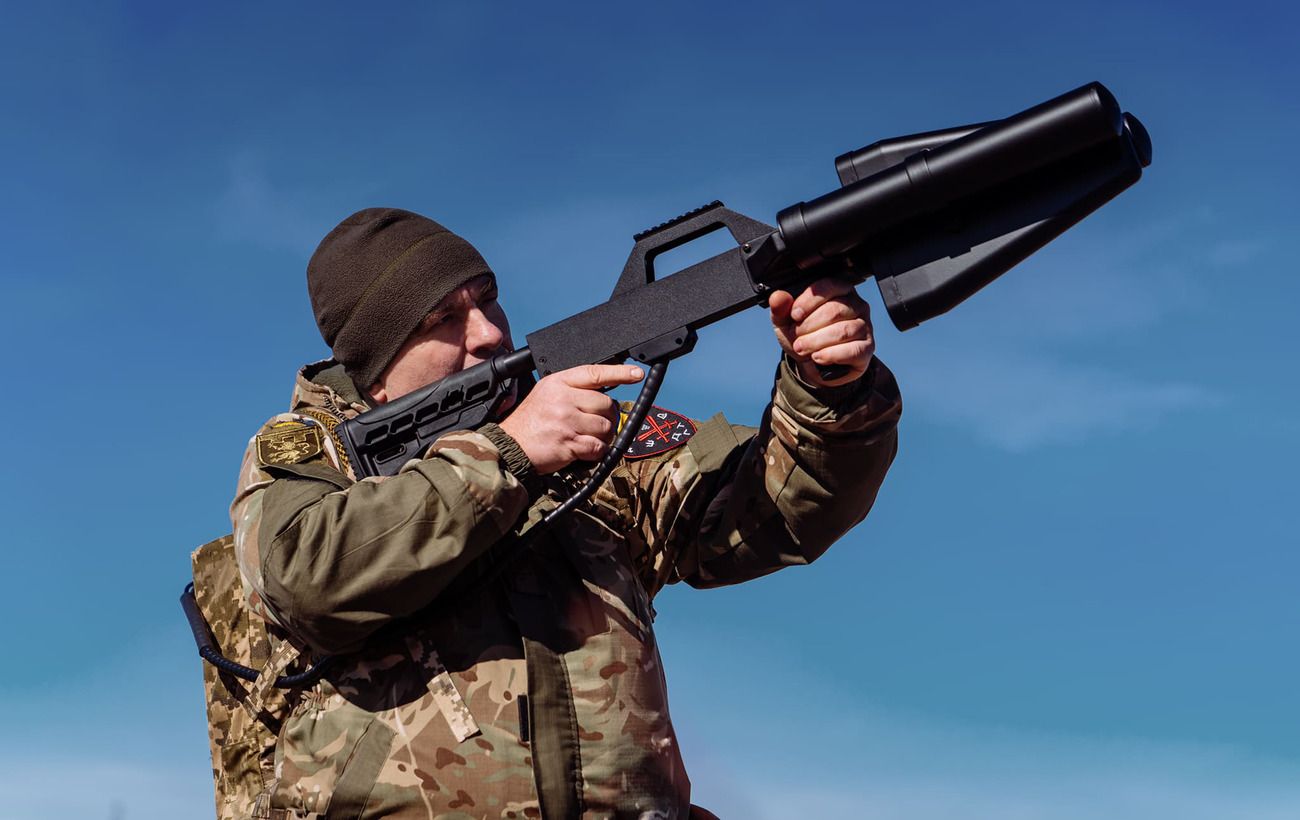
Experts emphasize the need for a comprehensive defense strategy that integrates electronic warfare, surveillance, route organization, and physical security measures. While electronic warfare systems can enhance the protection of transport vehicles, they are not foolproof, especially against drones utilizing fiber optics.
In light of these developments, the logistics sector is adapting to new realities. Companies are prioritizing the protection of critical infrastructure, and alternative transport routes are being explored to mitigate risks. However, financial constraints remain a significant challenge, as the ongoing attacks increase the need for compensation and infrastructure repair.
As the conflict continues, the resilience of Ukraine’s logistics network becomes increasingly vital, not only for military operations but also for sustaining the economy. The overarching question now is how to maintain operational continuity in the face of persistent threats from drone attacks.
In response to heightened drone attacks, Ukraine's railway operator has revised safety protocols for passengers and freight transport. The ongoing assaults are impacting logistics and economic stability, prompting calls for comprehensive defense strategies.