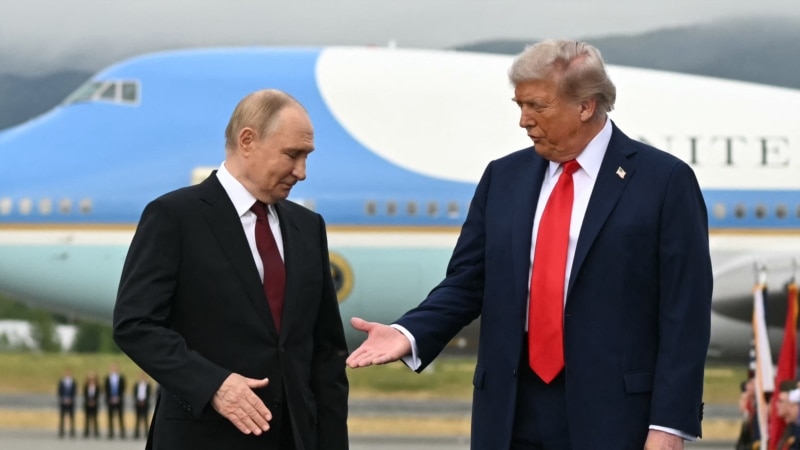
During a recent address, the President of the United States emphasized the country’s involvement in international conflicts that he believes do not directly concern American interests. He expressed concern that other NATO members are not providing adequate support to the U.S. in these situations.
The remarks come amid ongoing discussions about the responsibilities of NATO allies in global security matters. The President underscored that the U.S. has been actively engaged in various conflicts, highlighting a perceived imbalance in commitment among member nations.
Historically, NATO has operated under the principle of collective defense, where an attack on one member is considered an attack on all. However, the President’s comments suggest a growing frustration regarding the level of support from other allies, particularly in conflicts that the U.S. deems critical.
In recent years, the U.S. has taken on significant military and diplomatic roles in regions such as the Middle East and Eastern Europe. The President’s statement raises questions about the future of NATO’s collective approach and the expectations of member states in supporting U.S. initiatives.
As the global security landscape evolves, the dynamics within NATO may also shift. The President’s remarks could signal a call for a reassessment of alliance commitments and responsibilities, aiming for a more equitable distribution of efforts among member nations.
The U.S. President's recent comments highlight concerns over NATO's collective response to global conflicts. He suggests that while the U.S. is heavily involved, other member nations are not providing sufficient support, raising questions about the alliance's future commitments.