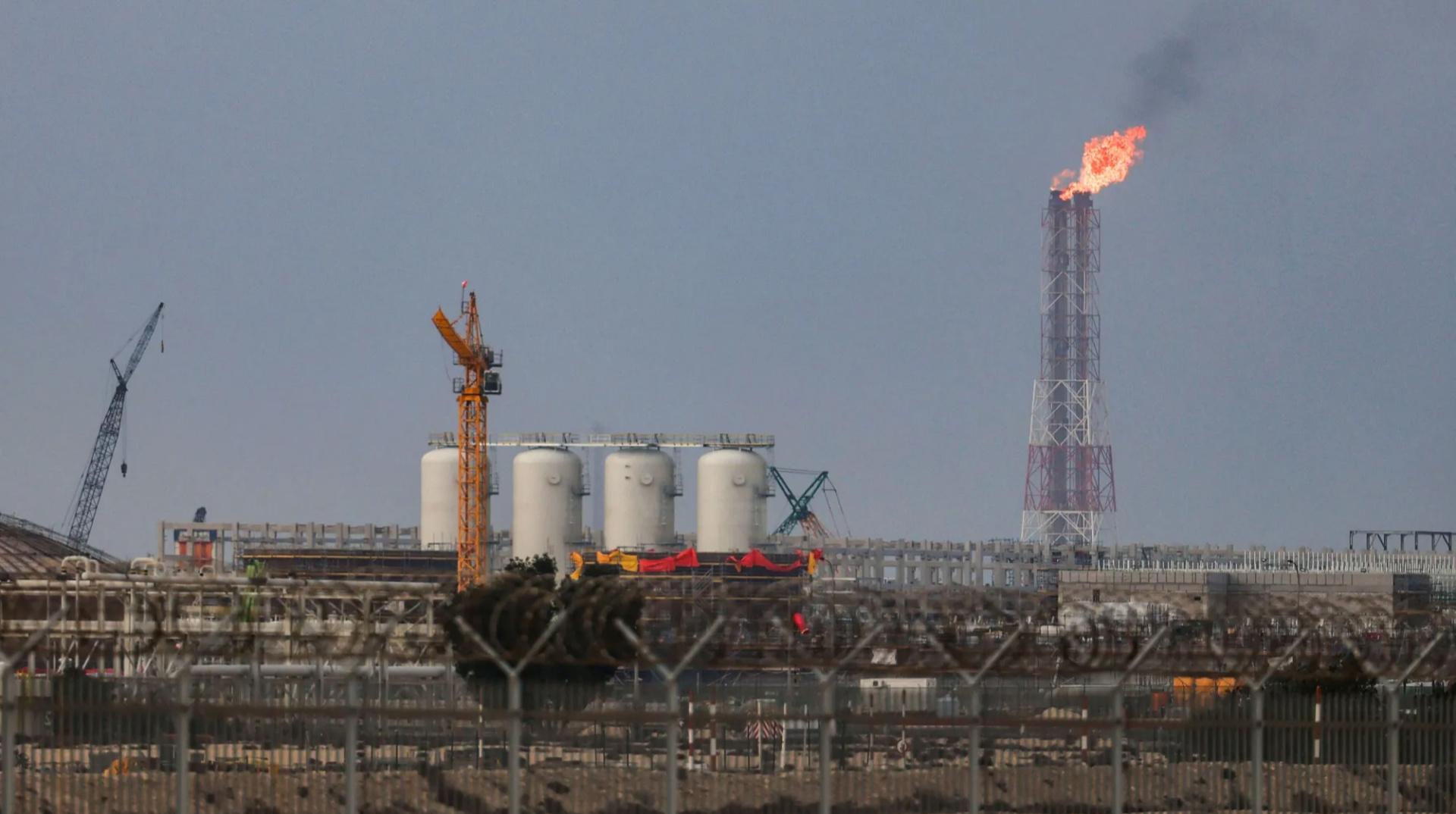
Iranian military forces have conducted a second missile strike within a single day on the industrial city of Ras Laffan in Qatar, according to reports from the Qatari Ministry of Defense and the Ministry of Interior.
The Qatari Ministry of Interior confirmed that the missile attacks resulted in a fire breaking out in the industrial zone. Emergency services are currently engaged in efforts to extinguish the flames. Preliminary reports indicate that there have been no casualties or injuries.
QatarEnergy, a key player in the global liquefied natural gas market, stated that this attack occurred just hours after an initial strike that caused significant damage to the facility’s infrastructure. QatarEnergy is recognized as the second-largest exporter of liquefied natural gas worldwide.
Context surrounding these events includes a significant military buildup by the United States in the Middle East, marking the largest increase in forces since the Iraq invasion in early 2026. On February 28, 2026, the United States and Israel initiated a large-scale military operation against Iran, which resulted in the death of Iranian leader Ali Khamenei and several high-ranking officials on the first day of airstrikes.
In retaliation, Iran has escalated missile and drone attacks targeting U.S. military bases and their allies in the region. Additionally, Iran has intensified strikes on civilian shipping and energy facilities in neighboring countries, while also blocking the strategically important Strait of Hormuz, leading to a surge in global oil and gas prices.
On March 19, U.S. House Speaker Mike Johnson remarked that the American military mission in Iran is “nearly complete and will conclude very soon.” Concurrently, the Pentagon has requested approval from the White House to seek over $200 billion from Congress to fund ongoing military operations against the Iranian regime.
Iran's missile strikes on Ras Laffan highlight escalating tensions in the region, particularly following a U.S.-Israeli military operation against Iran. The situation has significant implications for global energy markets and regional stability.