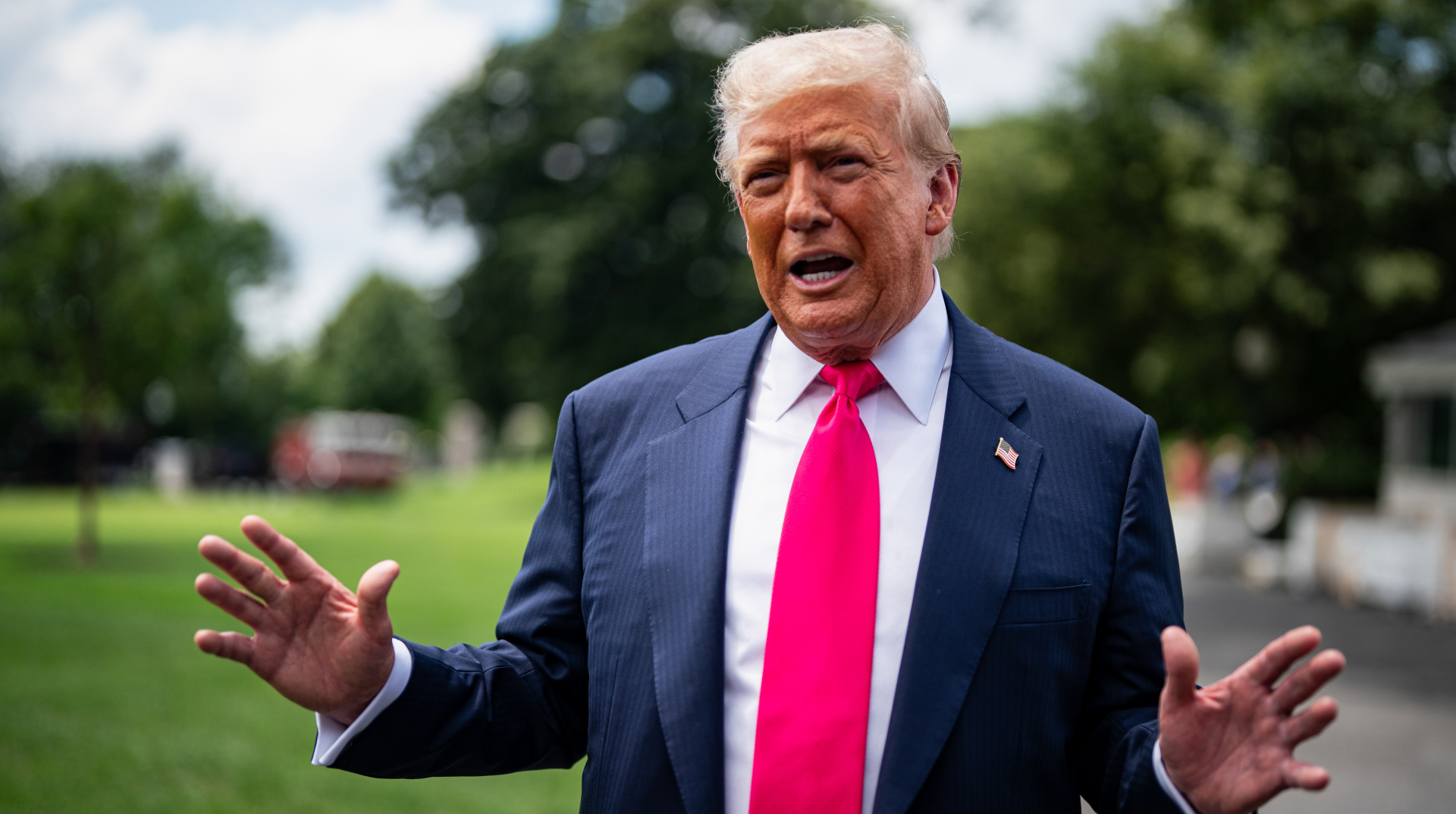
In a recent statement, U.S. President Donald Trump indicated that the United States will partially lift sanctions related to oil trade in response to escalating energy prices linked to ongoing conflicts in Iran.
During a press briefing streamed by the White House, Trump remarked, “We are removing certain oil-related sanctions to lower prices. We have sanctions against some countries, but we are lifting those sanctions until things stabilize.” This decision comes as the global energy market faces significant pressure.
While Trump acknowledged the potential for reinstating these sanctions, he noted, “Who knows, maybe we won’t have to reimpose them.” This statement reflects a cautious approach to managing the current energy crisis.
Background context reveals that former U.S. Treasury Secretary Scott Bessent had previously suggested that the administration was considering the removal of sanctions on Russian oil to enhance global supply and mitigate shortages. The urgency of this situation has intensified since February 28, when Iran launched attacks on several Middle Eastern countries in retaliation for U.S. and Israeli strikes, subsequently blocking the Strait of Hormuz.
Following these developments, oil prices surged dramatically. On March 2, Brent crude oil prices jumped by 13%, surpassing $82 per barrel, as markets braced for prolonged supply disruptions. By March 6, prices escalated further to over $90 per barrel after the Qatari Energy Minister warned that all oil and gas exporters in the Persian Gulf might halt production within days.
President Trump has announced a partial lifting of oil sanctions to address rising energy prices amid escalating conflicts in Iran. This decision follows significant fluctuations in global oil prices, driven by geopolitical tensions.