On March 9, oil prices reached their highest levels since mid-2022, driven by supply reductions from major producers and concerns over ongoing shipping disruptions linked to the conflict involving the United States, Israel, and Iran.
According to the New York Times, Brent crude surpassed $100 per barrel for the first time in nearly four years, marking a 50% increase since the onset of military operations by Israel and the US against Iran.
Reuters reported that oil prices have surged over 25% due to escalating violence in the Persian Gulf, with Brent and West Texas Intermediate (WTI) crude reaching their highest prices since July 2022. Brent crude rose by 29%, while WTI increased by 31%.
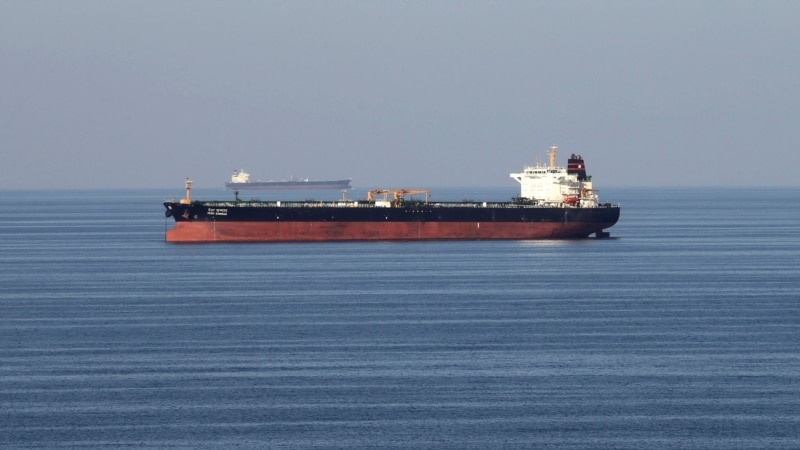
The energy markets are particularly anxious about the situation around the Strait of Hormuz, through which approximately 20% of global oil supplies typically pass, primarily to Southeast Asia. Disruptions in tanker movements and heightened security risks have already slowed maritime activities, leaving Asian buyers vulnerable due to their reliance on Middle Eastern crude oil.
Brent crude futures jumped by $24.96, or 27%, reaching $117.65 per barrel, marking the largest single-day increase. Meanwhile, WTI futures rose by $25.72, or 28.3%, to $116.62 per barrel.
Vasu Menon, managing director of investment strategy at OCBC in Singapore, stated, “If the flow of oil through the Strait of Hormuz does not resume soon, and regional tensions do not ease, price pressures are likely to persist.”
In addition to previous cuts in liquefied natural gas supplies from Qatar, Iraq and Kuwait have begun reducing oil production. Analysts predict that the United Arab Emirates and Saudi Arabia may also have to cut output in the near future.
Reuters further noted that the armed conflict in the Persian Gulf could lead to prolonged fuel price increases for consumers and businesses worldwide, even if the conflict concludes swiftly, due to attacks on oil facilities, logistical disruptions, and increased shipping risks.
The joint US-Israel operation that commenced on February 28 resulted in the death of Iran’s Supreme Leader Ayatollah Ali Khamenei and a significant number of other high-ranking officials within the Iranian regime.
In retaliation, Iranian military forces launched missile and drone attacks not only against Israel and US military sites in the region but also targeted several neighboring countries considered US allies.
As a result of these Iranian strikes, six US military personnel were killed, along with civilian casualties in the region.
Human rights organization HRANA reported that from February 28 to March 3, 1,097 civilian deaths and 5,402 injuries, including among children, were documented in Iran. The group also noted that strikes have damaged military bases, medical facilities, and residential areas across the country.
Oil prices have surged to their highest levels since mid-2022 due to supply cuts and ongoing conflict in the Persian Gulf. The situation has raised concerns about prolonged disruptions and price increases for consumers globally.
Source: New York Times