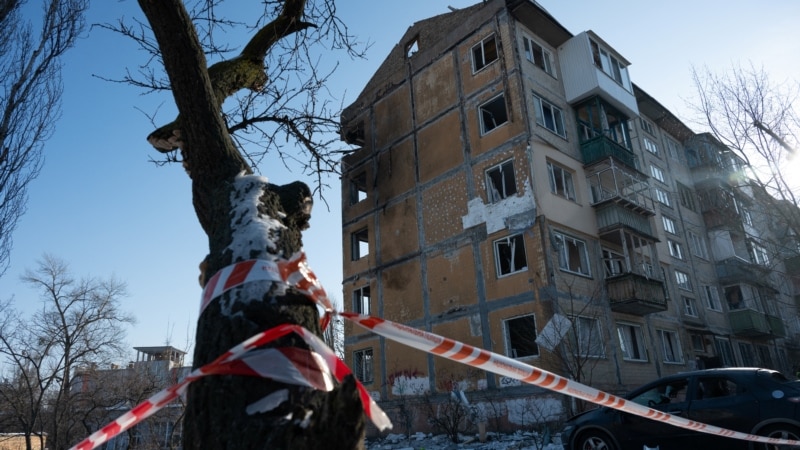
Since the onset of Russia’s full-scale invasion of Ukraine, Kyiv has reported extensive damage to its infrastructure, with nearly 3,000 residential buildings impacted by Russian shelling, according to the Kyiv City State Administration’s Department of Internal Financial Control and Audit. As of January 26, 2026, the data indicates that 1,520 of these buildings were damaged in 2025 alone, while 263 have been affected since the beginning of this year, mirroring the total from 2023.
In addition to residential buildings, the Ukrainian authorities have documented substantial damage across various sectors. This includes:
- 330 educational institutions
- 59 healthcare facilities
- 140 private homes
- 93 administrative buildings
- 15 social protection facilities
- 39 cultural sites
- 151 transport infrastructure objects
- 484 utilities facilities
- 11 sports infrastructure objects
- 1 religious site
The Department of Cultural Heritage Protection has reported 146 instances of damage to cultural heritage sites since the invasion began.
The Department of Construction and Housing of the Kyiv City State Administration has identified 71 residential buildings that have suffered significant damage and are currently undergoing restoration funded by the city budget. As of the latest updates, work has been completed on 30 of these buildings, while 41 remain under reconstruction.
Furthermore, a directive from the Kyiv City Military Administration on February 17 confirmed the destruction of two additional residential buildings.
Since February 2022, Russian military forces have consistently targeted Ukrainian cities and civilian infrastructure using various types of weaponry, including drones, missiles, and multiple rocket launch systems. These attacks have been characterized by Ukrainian authorities and international organizations as war crimes, emphasizing their deliberate nature.
Efforts to undermine essential services and healthcare facilities have been described as genocidal actions, as they aim to deprive civilians of electricity, heating, water supply, communication, and medical assistance. Legal experts and human rights advocates argue that these actions fall under the definition of genocide, citing statements from Russian officials that deny the existence of Ukrainians as an ethnic group.
The 1948 Convention on the Prevention and Punishment of the Crime of Genocide, ratified by 149 countries, obligates signatories to prevent and punish acts of genocide during both wartime and peacetime. The Convention defines genocide as actions intended to destroy, in whole or in part, a national, ethnic, racial, or religious group.
Indicators of genocide include the killing of group members, causing serious bodily or mental harm, deliberately inflicting living conditions calculated to destroy a group, preventing births, and forcibly transferring children from one group to another.
Despite the evidence of targeted attacks on civilian infrastructure, Russian leadership continues to deny that its military is deliberately striking civilian targets, including hospitals, schools, and energy facilities.
Kyiv has reported significant damage to its infrastructure due to Russian attacks since the invasion began in 2022. With thousands of residential buildings and various public facilities affected, Ukrainian authorities classify these actions as war crimes, raising concerns about potential genocide.