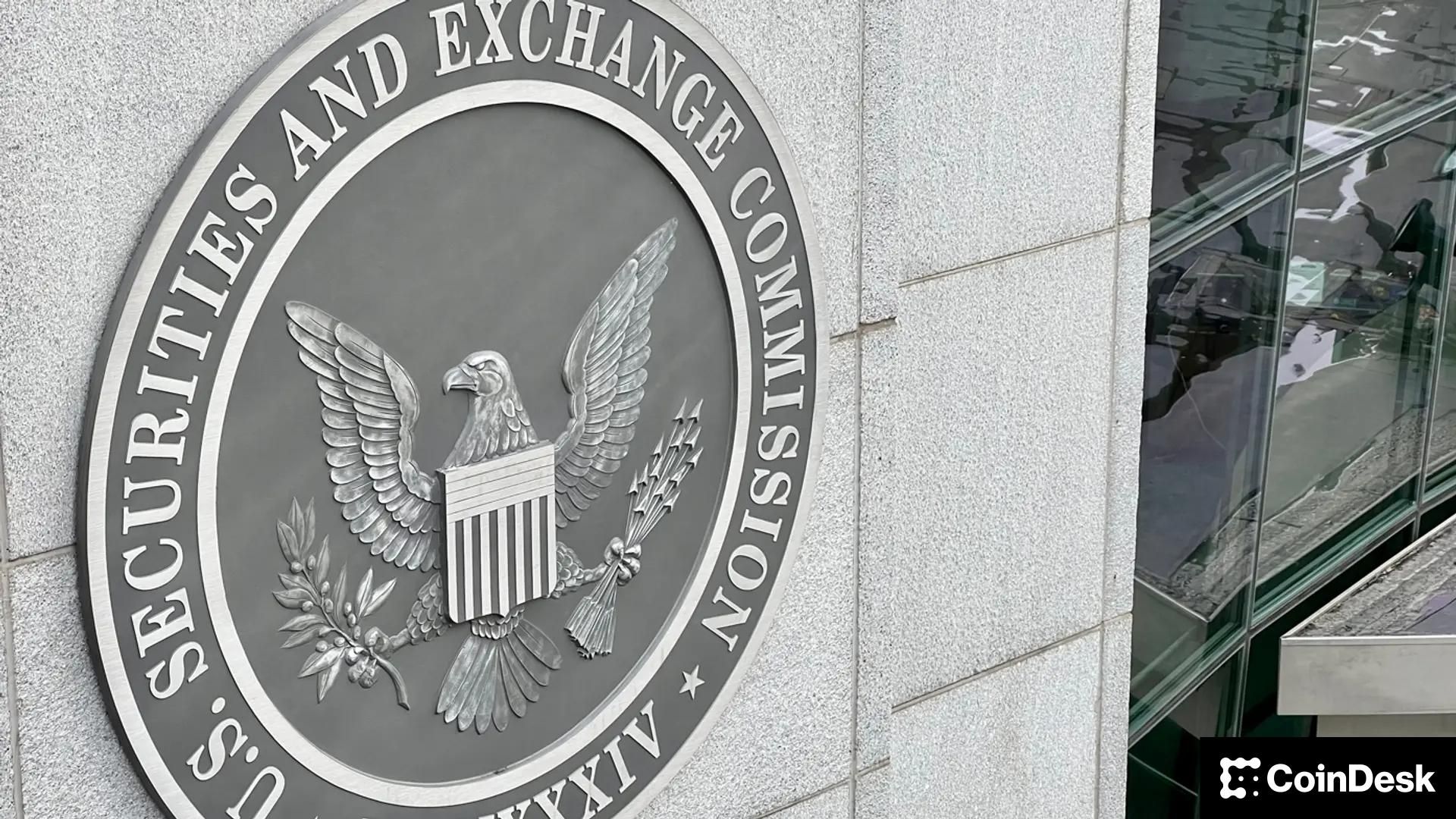
The U.S. Securities and Exchange Commission (SEC) has made a significant policy adjustment by permitting broker-dealers to treat their stablecoin holdings as regulatory capital. This change was reflected in an update to the SEC’s frequently-asked-questions document regarding broker-dealer financial responsibilities.
This new guideline, introduced as question No. 5, specifies that firms should apply a 2% haircut to their stablecoin assets, meaning they can now count 98% of these holdings towards their capital requirements. Previously, stablecoins were considered non-qualifying assets, effectively resulting in a 100% haircut.
Cody Carbone, CEO of the Digital Chamber, noted that while this update does not create new regulations, it alleviates some of the uncertainties for firms aiming to comply with existing securities laws. The adjustment aligns stablecoins with other financial instruments, allowing them to be treated similarly to money market funds on a firm’s balance sheet.
Tonya Evans, a crypto educator and board member at Digital Currency Group, emphasized the importance of this change, stating that prior to this update, some broker-dealers were effectively disregarding their stablecoin holdings in capital calculations. The new policy removes this financial penalty, enabling firms to better utilize these assets.
Under the previous SEC framework, broker-dealers faced strict limitations that hindered their ability to custody tokenized securities or facilitate trading. With the updated guidance, these firms can now more effectively provide liquidity and support the settlement process in tokenized finance.
Larry Florio, deputy general counsel at Ethena Labs, explained that this shift is crucial for various financial platforms, from startups like Robinhood to major institutions like Goldman Sachs, which rely on accurate capital calculations. He described stablecoins as now functioning as working capital.
SEC Commissioner Hester Peirce, who leads the agency’s crypto task force, expressed optimism about the change, suggesting it will enable broker-dealers to engage in a wider array of business activities related to tokenized securities and other digital assets. She also indicated a desire to explore potential amendments to existing SEC rules regarding payment stablecoins.
However, the informal nature of this guidance poses risks. Such policies can be easily reversed, lacking the legal protections that formal rules provide. While the SEC has been developing more comprehensive crypto regulations, these efforts are ongoing and often take considerable time to finalize. The potential for new leadership at the SEC to alter these guidelines further complicates the landscape, prompting advocates for digital assets to call for legislative clarity, such as the proposed Guiding and Establishing National Innovation for U.S. Stablecoins (GENIUS) Act.
The SEC has updated its policy to allow broker-dealers to count stablecoin holdings as capital, reducing previous restrictions and aligning them with traditional financial products. This change aims to enhance liquidity and operational flexibility for firms dealing with digital assets, though the informal nature of the guidance raises concerns about its longevity.