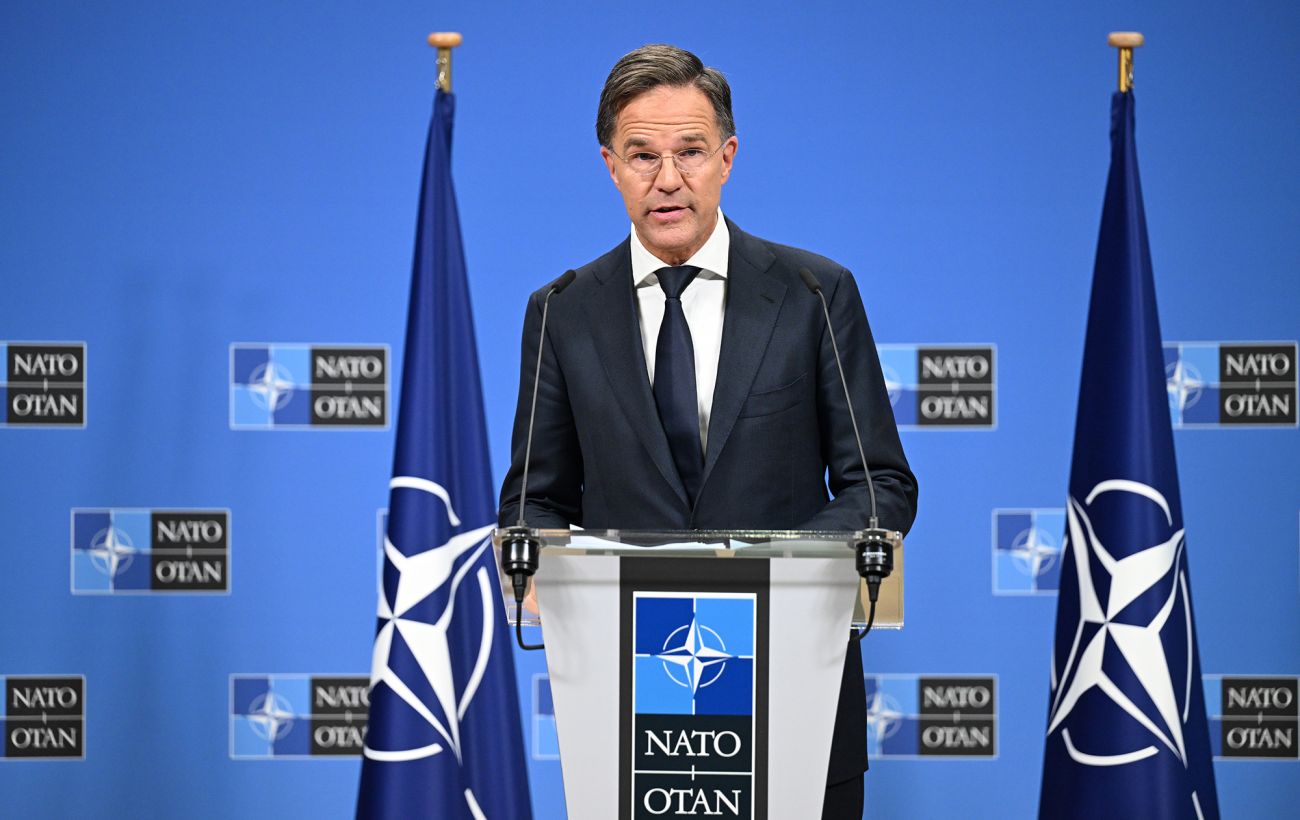
NATO is urging its European allies to present a united front regarding the U.S. military campaign against Iran and to support efforts aimed at mitigating nuclear threats. This call comes amid rising concerns about Iran’s nuclear ambitions and their implications for global security.
In a recent interview on CBS’s Face the Nation, NATO Secretary General Jens Stoltenberg emphasized the necessity of solidarity among member nations, especially in light of initial hesitations from some European countries. He warned that a nuclear-armed Iran would pose a direct danger not only to Israel but also to Europe and overall world stability.
“I know one thing: we always come together,” Stoltenberg stated, reinforcing NATO’s commitment to collective defense.
Stoltenberg attributed the delay in response from European partners to their exclusion from the early planning stages, which aimed to maintain the element of surprise for U.S. and Israeli operations.
Former President Donald Trump has criticized NATO allies on social media, labeling the alliance a “paper tiger” for their reluctance to contribute to securing the Strait of Hormuz. Stoltenberg urged understanding of Trump’s position, asserting that the U.S. leader’s actions are intended to enhance global security.
NATO officials have drawn parallels between the current situation with Iran and past efforts to deter North Korea’s nuclear program. They cautioned that prolonged negotiations could result in missing the opportunity to prevent the development of nuclear capabilities by hostile nations.
The situation in the Strait of Hormuz has escalated following Iranian forces’ actions to effectively block this crucial maritime route, which included attacks on civilian vessels and energy infrastructure. This prompted a strong reaction from global leaders, who issued ultimatums to Tehran.
In response to Trump’s request for military assistance to reopen the Strait, both the United Kingdom and Germany have officially declined to provide naval support. Despite the lack of direct military backing from key allies, U.S. officials report a gradual increase in the number of vessels transiting the Strait.
Meanwhile, France and Italy have initiated discreet talks with Iran, aiming to secure guarantees for the safe passage of tankers and to restore stable energy supplies to Europe without resorting to military confrontation.
NATO is pressing European allies for unity against Iran's nuclear threat, while Trump criticizes NATO's lack of military support. The situation in the Strait of Hormuz remains tense as diplomatic negotiations unfold.