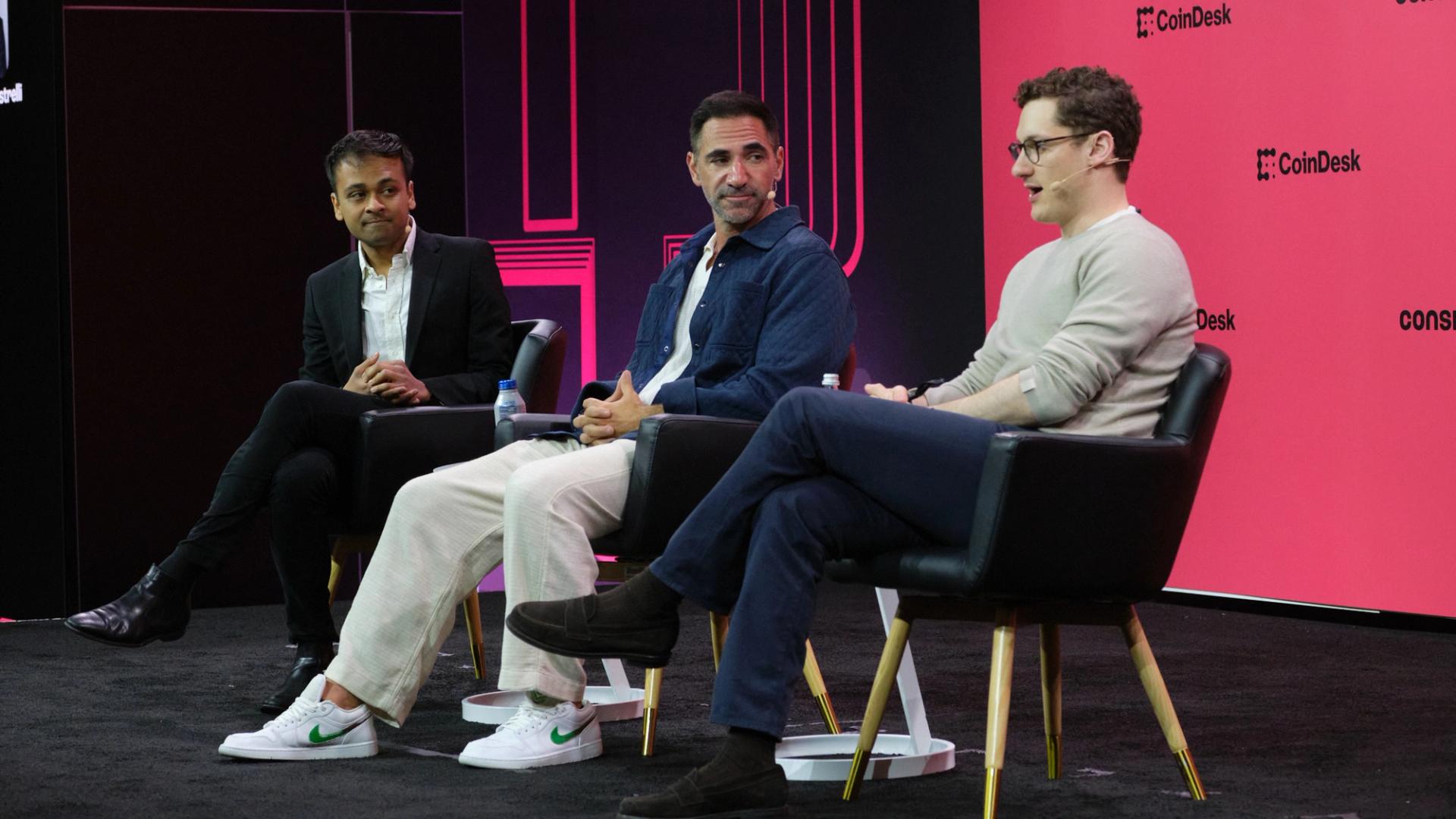
During the Consensus Miami 2026 event, Jacob Fortinsky, CEO of Novig, announced plans for his company to shift to a federal Designated Contract Market (DCM) framework this summer, enabling operations across all 50 states. This move comes as industry experts argue for sports betting to be regulated as a financial product rather than as a state-licensed gambling activity.
Fortinsky criticized the traditional sportsbook model, stating that it unfairly penalizes successful bettors. He remarked, “Sports betting is really the only industry in the country that regularly limits and bans their power users,” emphasizing the need to view sports event contracts as financial instruments instead of gambling products. He pointed out that the global sports betting market is valued at approximately $2 trillion, yet remains largely under the control of outdated casino models.
Adam Mastrelli, founder of 57 Maiden, which specializes in AI-driven trading strategies for prediction markets, supported Fortinsky’s perspective with his own experiences. He revealed that he and his partner were banned from two major sportsbooks within two months due to their success in trading. Mastrelli likened this to a top athlete being excluded from their sport for outperforming others.
After facing restrictions, Mastrelli’s team turned to Novig, which offers a fee-free platform and allows traders to create synthetic positions. However, he noted that their competitive advantage diminished rapidly, with only three out of 154 proposed trading strategies currently yielding profits. His most successful season, he mentioned, was during the WNBA.
Fortinsky shared that Novig’s upcoming transition from a sweepstakes model, currently operational in 35 states, to a federal DCM framework is a response to challenges faced during a previous attempt to gain state-level regulation in Colorado. He recounted regulators’ indifference to consumer protection, stating, “We really just care about our tax revenue.” He anticipates that the ongoing federal-state regulatory disputes will escalate to the Supreme Court within the next few years, with 15 lawsuits currently pending involving the Commodity Futures Trading Commission and various states.
In the context of prediction markets, Fortinsky argued that sports betting is relatively safer compared to other sectors, which face significant risks from insider trading and manipulation. Mastrelli, who avoids offshore platforms, compared prediction markets to equities exchanges, highlighting the robust competition in the market.
At Consensus Miami 2026, Novig's CEO Jacob Fortinsky announced a shift to federal regulation for sports betting, arguing it should be treated as a financial product. Adam Mastrelli from 57 Maiden supported this view, sharing his experiences with sportsbook bans and the challenges of maintaining a competitive edge in trading.