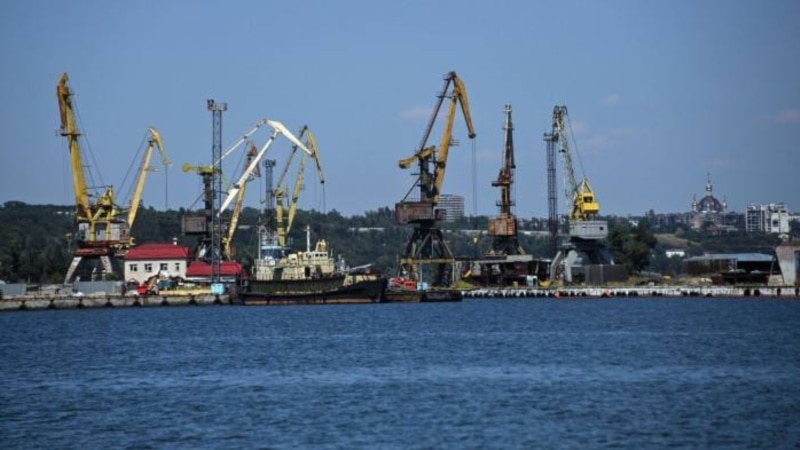
Recent reports indicate that Ukrainian drones have been operating near the occupied city of Mariupol, raising concerns among Russian military bloggers regarding the effectiveness of Russian logistics on the battlefield. The analysis from the Institute for the Study of War (ISW) highlights these developments, particularly focusing on the activities of Ukrainian Hornet drones.
On May 10, Russian military correspondents expressed their unease over footage showing these drones actively targeting Russian fuel tankers and military vehicles along the T-0509 highway, which connects Mariupol to Donetsk. One correspondent noted that the situation along the ground communication lines near Mariupol is beginning to resemble conditions seen along the M-30 route, where Ukrainian forces have previously disrupted Russian logistics and civilian movement using drones.
According to the correspondent, Russian electronic warfare systems can only jam the Hornet drones when they are not utilizing Starlink technology or when they fail to automatically lock onto targets. He voiced concerns that Ukrainian forces might fully automate the Hornet drones within the next six to twelve months.
Another Russian blogger echoed these worries, highlighting that Ukrainian drones equipped with Starlink and capable of flying up to 200 kilometers are now reaching the M-14 highway, a crucial Russian supply route running from Mariupol to Berdyansk, Melitopol, and Henichesk. This route is vital for addressing cybersecurity challenges along the Azov Sea coast leading to occupied Crimea.
Read also: Russian Air Defense Losses Surge by 240%. How Ukraine Turned Crimea into a ‘Chernobaivka’
Analysts suggest that Ukraine’s ability to strike moving targets in previously secure areas for Russian forces could have significant implications, potentially intensifying anxiety within the Russian ultra-nationalist information space.
On May 8, the 1st Azov Corps of the National Guard of Ukraine released videos showing drones allegedly scouting Russian military targets in occupied Mariupol. The corps reported that its forces are patrolling roads up to 160 kilometers from the frontline, continuing efforts to create a ‘sanitary zone’ for Russian logistics.
Russian troops seized control of Mariupol in the spring of 2022 after a prolonged siege. According to verified reports from city officials, at least 20,000 people have died in the devastated city since its occupation.
Ukrainian drones are increasingly active near Mariupol, alarming Russian military bloggers about potential disruptions to their logistics. Recent analyses highlight the implications of these developments for Russian forces and their supply routes.
Source: Institute for the Study of War