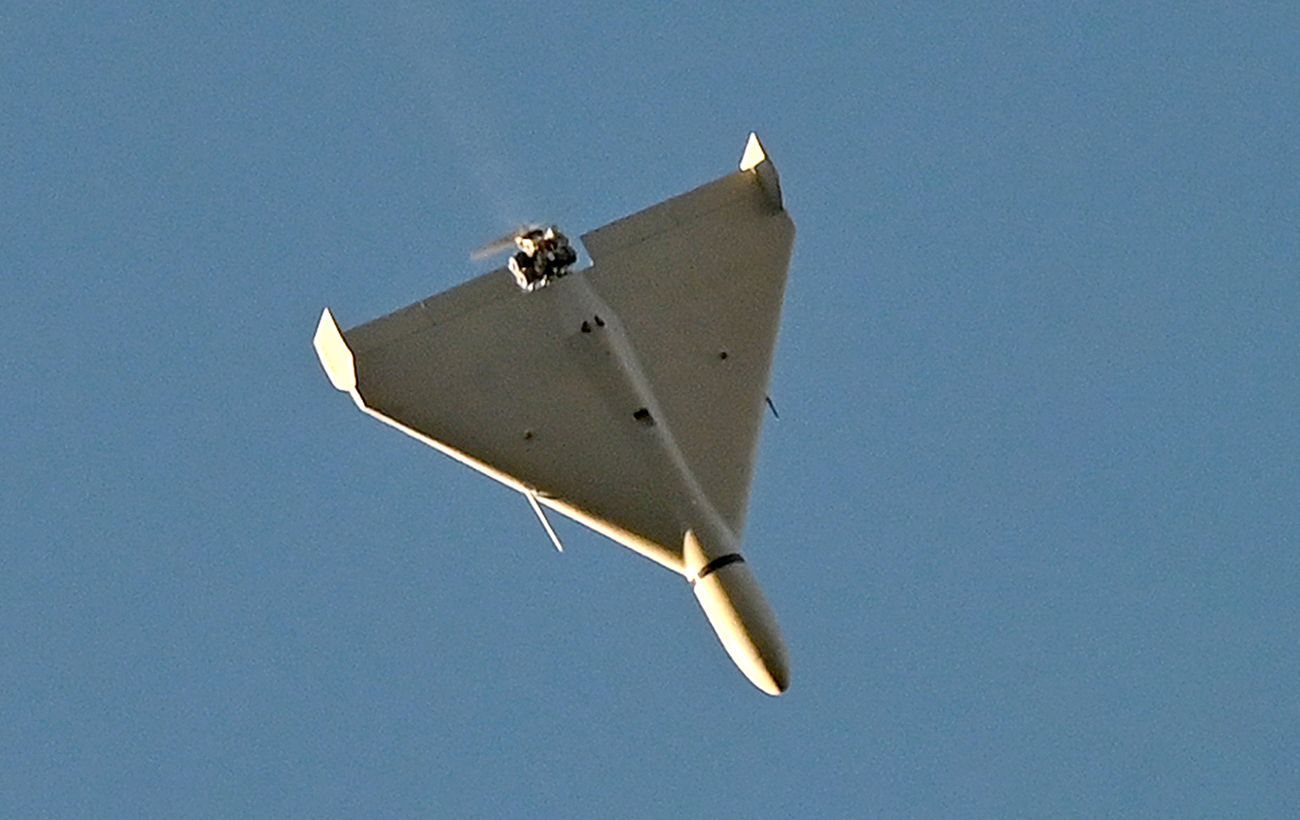
In recent days, Russia has escalated its aerial assaults on several Ukrainian cities, including Odesa, Dnipro, Vinnytsia, Ternopil, and Kharkiv. These attacks predominantly utilize Shahed drones, with additional deployments of V2U drones specifically targeting Kharkiv.
According to military analyst Vlasuk, the latest drone models have been found to incorporate components manufactured in 2025 by countries such as Germany, Japan, Switzerland, the United States, Taiwan, and the United Kingdom. Notably, a new activation block, the Transit Brd, has been identified for the first time. Despite calls for stricter oversight, parts from STMielectronics continue to appear in these drones.
This trend indicates that Russia is successfully sourcing Western technology, despite existing sanctions. Vlasuk emphasized the need for ongoing sanctions to further restrict these supply channels. However, he also noted a positive development: the absence of components from the Netherlands in the new drone models, suggesting effective collaboration with international partners.
Vlasuk estimates that long-range sanctions have cost Russia at least $7 billion this year alone. Efforts are underway to compile a list of critical equipment for oil refineries and pumping stations, aiming to cut off access to technologies employed in the ongoing conflict.
On May 1, Russia launched a significant wave of drone strikes across Ukraine, deploying hundreds of attack drones as part of a new military strategy aimed at exhausting Ukrainian air defense systems and targeting critical infrastructure. While Ukrainian air defenses managed to intercept most of the incoming threats, the remnants of destroyed drones posed serious risks to civilian safety.
The city of Ternopil suffered extensive damage, with large fires reported following the attacks. Local authorities recorded over 50 drones in the vicinity and numerous explosions, leading to significant infrastructure damage, power outages, and civilian injuries. Additionally, debris from downed drones impacted kindergartens, residential buildings, and energy facilities in various regions of Ukraine.
Russia has intensified its drone attacks on Ukrainian cities while continuing to access Western technology for its military operations. Despite sanctions, new drone models reveal components from various countries, highlighting ongoing challenges in restricting Russia's military capabilities.