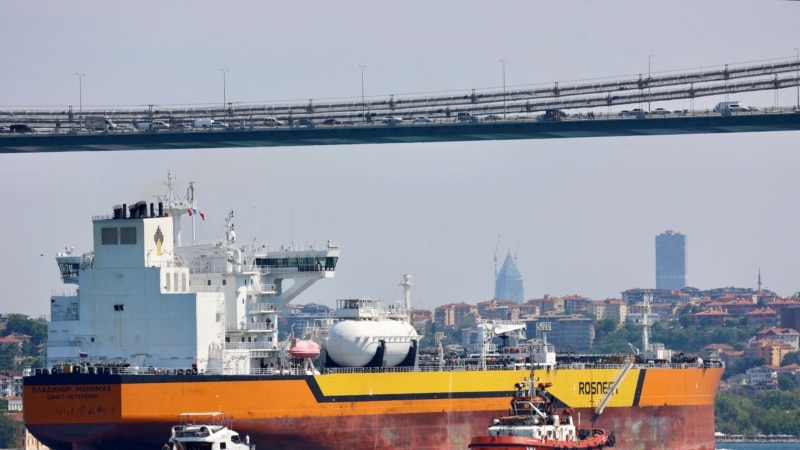
The Biden administration has reinstated sanctions on maritime shipments of Russian oil, allowing no extension of a temporary exemption that had been in place. This decision affects countries, including India, which had previously been permitted to purchase Russian oil if the cargoes were loaded before the sanctions deadlines took effect.
The exemption was first introduced in March and was extended in April, with U.S. officials citing a desire to avoid a new energy crisis amid ongoing conflicts in the Middle East and threats to critical maritime supply routes. However, critics in the U.S. and Ukraine argued that this policy effectively enabled Moscow to continue generating substantial revenue from oil exports during its ongoing war against Ukraine.
On May 15, Democratic Senators Jeanne Shaheen and Elizabeth Warren urged the administration not to renew the exemption. In a joint statement, they emphasized that there was no evidence that easing sanctions had lowered fuel prices for Americans, while Russia continued to reap billions from oil sales.
Brian Mast, the Republican chair of the House Foreign Affairs Committee, also supported continued sanctions against Moscow but cautioned that the restrictions should not inflict greater harm on U.S. allies than on Russia itself.
Previously, on March 13, the U.S. Treasury had relaxed restrictions on the sale of Russian oil and petroleum products that were already loaded onto vessels, aiming to mitigate rising prices following a blockade of the Strait of Hormuz by Iran in response to a U.S.-Israeli operation. This temporary measure expired on April 11.
The Treasury did not respond to inquiries from Politico regarding the expiration of the exemption but referenced a statement from Treasury Secretary Scott Bessent, who described the easing as a “short-term measure.” Congressional Democrats had criticized the exemption, claiming it allowed Russia and its allies to earn an additional four billion dollars. Bessent noted that, according to the Treasury’s analysis, Russia was estimated to have received no more than two billion dollars during the suspension of sanctions.
In a notable development, the Philippines purchased 2.5 million barrels of crude oil from Russia for the first time in five years. Additionally, 27,000 tons of Russian petroleum products arrived in South Korea, which had not imported oil from Russia since 2022, according to the Radio Free Europe project “Current Time.”
Earlier, President Donald Trump had stated that U.S. sanctions on Russian oil would be reinstated following the conclusion of operations against Iran.
On February 28, the U.S. commenced a joint military operation with Israel against Iran, which subsequently blocked shipping in the Strait of Hormuz, a route responsible for approximately 20% of global maritime oil supplies, leading to increased fuel prices.
Analysts from the Financial Times reported that one of the primary beneficiaries of this situation has been Russia, with Urals crude prices reaching a 13-year high at the beginning of April. Experts predict that additional oil and gas revenues in April could reach or even exceed one trillion rubles.
The Biden administration has reinstated sanctions on Russian oil shipments, ending a temporary exemption that allowed certain countries to purchase Russian oil. This move has faced criticism from U.S. lawmakers who argue it is necessary to prevent Russia from profiting during its conflict with Ukraine.