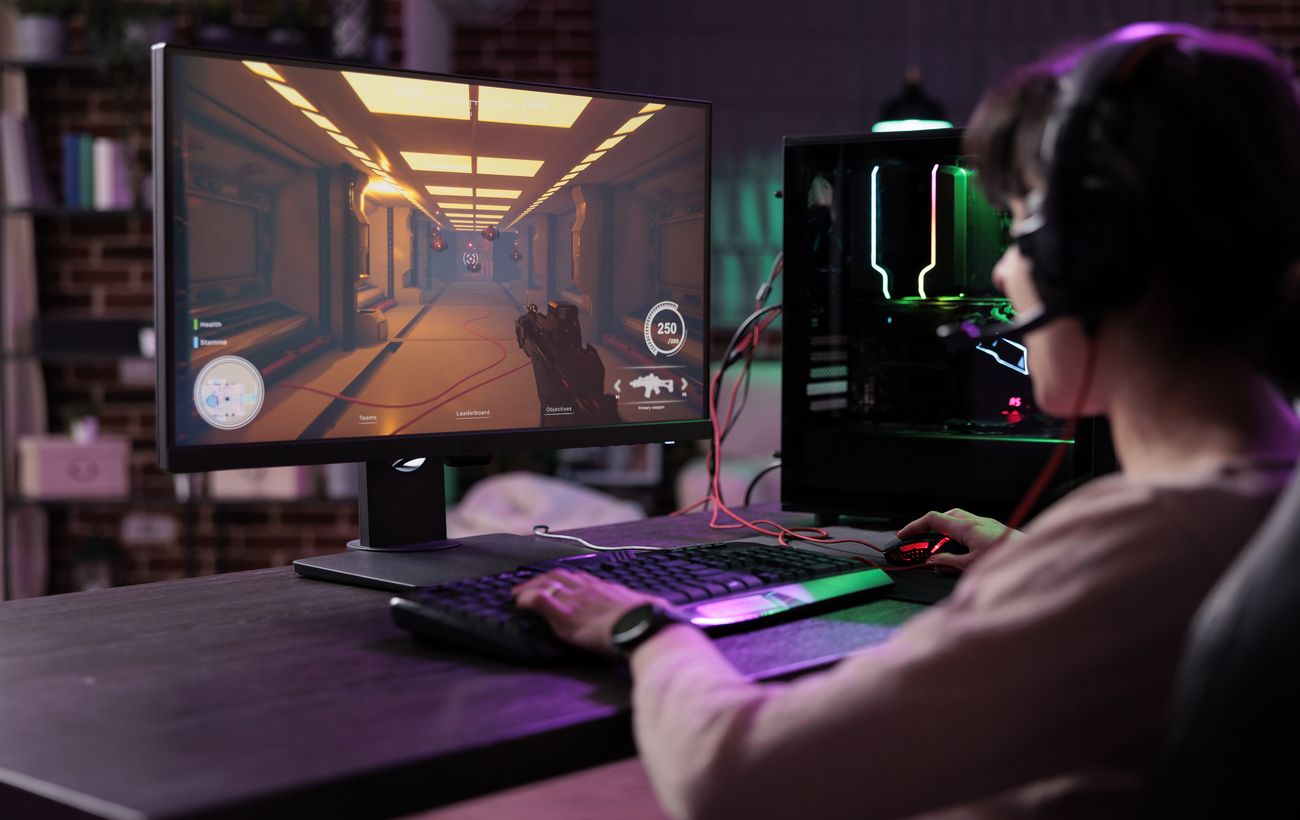
The video game industry has evolved significantly from its early pixelated origins to a prominent sector of entertainment. Throughout the console era, manufacturers experimented with various accessories, some of which became industry standards while others faded into obscurity.
Memory Cards (PS2 Memory Card)
The memory card was a crucial accessory for the PlayStation 2, allowing players to save their progress. Without an 8 MB memory card, players faced the risk of losing their game advancements. For dedicated gamers, licensed options from Katana offered 16 MB and 32 MB capacities, preventing the need to delete old saves for new games.
Cheat Devices (Game Genie)
Due to the notorious difficulty of NES games, known as “Nintendo Hard,” devices like Game Genie gained immense popularity. This cartridge adapter allowed players to input codes for infinite lives or level skips. Its legacy continued with Action Replay and the well-known GameShark for N64 and PlayStation.
Rumble Packs (Nintendo 64 Rumble Pak)
Prior to the introduction of DualShock, vibration was not a standard feature in gaming. Nintendo’s Rumble Pak, launched in 1997 with Star Fox 64, added a new layer of immersion to gameplay. By the end of its lifecycle, it was compatible with numerous hits, including titles like Zelda and GoldenEye 007. The Nintendo DS also featured a Rumble Pak, although it was supported by only 51 games.
Guitar Controllers (Guitar Hero)
Released in 2005, Guitar Hero transformed the gaming landscape with its music and the iconic Gibson SG-shaped controller. This trend, while brief, captivated millions, allowing players to feel like rock stars. Subsequent models mimicked other famous guitars, such as the Explorer and Les Paul.
Light Guns (NES Zapper)
The NES Zapper became a cultural icon, largely due to the popularity of Duck Hunt. Utilizing infrared light, it provided surprising accuracy for its time, despite supporting only 17 games. Its association with the laughing dog in Duck Hunt cemented its place in gaming history.
Balance Boards (Wii Balance Board)
Recognized by the Guinness World Records as the best-selling weighing device, the Wii Balance Board was developed during the fitness craze led by designer Shigeru Miyamoto. It utilized four load sensors for exercises in Wii Fit and later appeared in Wii Music and Super Monkey Ball.
Nunchuk Controllers (Wii Nunchuk)
The Nunchuk became essential for complex games, as the standard Wii remote resembled a television remote and lacked an analog stick. Its design and concept of split controllers have influenced modern Joy-Con controllers for the Nintendo Switch.
Multitap Adapters (Multitap)
Earlier consoles typically supported only two wired controllers. For multiplayer games like Bomberman or sports simulations on NES or PS2, the Multitap was necessary. However, with the advent of wireless technology, this accessory has become obsolete.
Joysticks
Before analog sticks became the norm, joysticks, popularized by the Atari 2600, were essential for flight simulators. Sony attempted to introduce a bulky PlayStation Analog Joystick, but it did not gain traction among gamers.
Cartridge Dust Covers
Contrary to popular belief, blowing into cartridges could damage them, as saliva caused corrosion of contacts. Plastic dust covers provided a more effective solution, protecting the pins from dust. Serious gamers often stored their games in these covers.
Steering Wheels (Wii Wheel)
The Wii Wheel, bundled with Mario Kart Wii for $49.99, contributed to the game’s impressive sales of 37 million copies. The device did not contain its own electronics; players inserted the Wii remote to utilize the gyroscopes for steering.
This article examines the evolution of video game accessories, highlighting key devices that shaped gaming experiences from memory cards to specialized controllers. Each accessory played a significant role in enhancing gameplay and reflecting the industry's technological advancements.