In a significant development, U.S. President Donald Trump has indicated that he is contemplating a potential exit of the United States from NATO. This statement comes amidst growing concerns regarding military support from allies, particularly in light of recent tensions involving Iran.
On April 1, 2026, Ukrainian President Volodymyr Zelensky announced efforts to enhance collaboration with Middle Eastern nations, particularly in military expertise and security. Meanwhile, the European Union confirmed it will allocate €1.4 billion derived from frozen Russian assets to bolster Ukraine’s defense.
The Ukrainian government has also approved plans for a nuclear fuel production facility in Mykolaiv, aiming to strengthen its energy independence. Additionally, Ukraine secured a grant of nearly $1.3 billion from Japan to support social expenditures.
Trump’s remarks regarding NATO have drawn immediate reactions. He expressed dissatisfaction with European allies who have not backed U.S. military actions against Iran, suggesting that this could lead to a reassessment of NATO membership. British Prime Minister Keir Starmer responded, emphasizing NATO’s vital role as a defense alliance and dismissing any pressure to engage in Middle Eastern conflicts.
In the context of escalating violence in the Middle East, Trump noted that Iran had allegedly requested a ceasefire, a claim that the Iranian Foreign Ministry has denied. The U.S. remains open to negotiations, contingent on Iran ensuring safe passage through the Strait of Hormuz.
On the ground, Iran has launched drone attacks on Kuwait’s international airport, targeting fuel reserves and igniting significant fires. In retaliation, Iran has threatened to target American tech companies operating in the region.
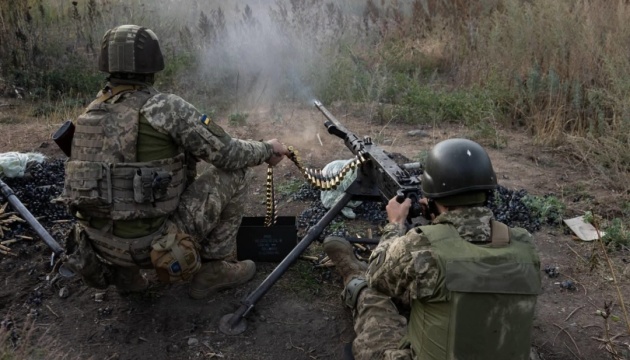
As the conflict continues, the Ukrainian military reported 64 clashes on the front lines, particularly in the Pokrovsk, Kostiantynivka, and Huliaipole sectors, as of April 1. Ukrainian forces successfully struck a facility in Russia’s Bryansk region that produced components for cruise missiles, alongside other military targets in occupied territories.
In a series of drone strikes on Ukraine, over 360 drones were deployed, with Ukrainian air defenses successfully neutralizing 345. The attacks resulted in casualties and damage across several regions, including Cherkasy, Poltava, and Zakarpattia, where critical infrastructure was targeted.
In the aftermath of these assaults, the Ukrainian government has initiated emergency measures, including the distribution of one-time financial aid to vulnerable populations. The ongoing conflict has also led to substantial disruptions in energy supply across multiple regions, with significant outages reported in Sumy, Dnipropetrovsk, and Donetsk.
As international discussions continue, the EU is preparing to provide substantial financial support to Ukraine, with proposals for €16.7 billion in budgetary assistance anticipated for 2026. This comes alongside Ireland’s commitment of an additional €40.3 million in humanitarian aid.
Tensions escalate as President Trump considers a U.S. exit from NATO amid dissatisfaction with European military support. Meanwhile, the EU pledges significant financial aid to Ukraine, reflecting ongoing geopolitical challenges.
