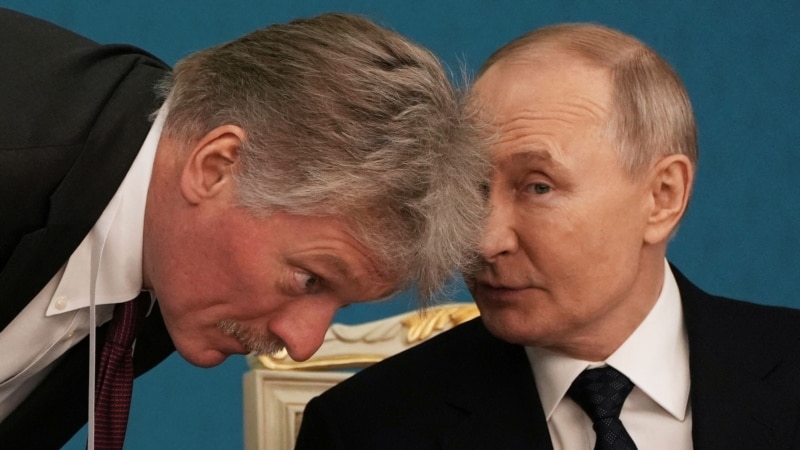
A recent report from the U.S.-based Institute for the Study of War (ISW) indicates that Russian President Vladimir Putin’s appeal to prominent businessmen for financial support of military efforts may violate an earlier agreement he made with them regarding asset protection.
According to the ISW’s analysis, Putin’s request during a meeting with Russian oligarchs poses a risk to the commitment he made at the beginning of his presidency not to nationalize their assets. This promise was made in July 2000, when he assured leading businessmen that he would uphold the privatization of former Soviet assets from the 1990s, provided they remained politically neutral and pledged loyalty to him.
The report notes that while Putin has repeatedly suggested that the Kremlin opposes nationalization, there has been a noticeable increase in efforts to nationalize assets amid the ongoing conflict in Ukraine.
ISW analysts highlighted statements from Kremlin spokesperson Dmitry Peskov, who denied any such request from Putin. Instead, Peskov claimed that the businessmen, having started their enterprises in the 1990s, feel a sense of obligation to financially support the Russian state.
Analysts interpreted Peskov’s comments regarding the privatization of industrial assets as an attempt to establish expected behavior from oligarchs, particularly in light of intensified censorship efforts by the Kremlin. They noted that the government’s repression against platforms like Telegram and other censorship initiatives could serve to neutralize businessmen who might resist nationalization efforts by leveraging the information space as a countermeasure.
Furthermore, The Bell, a Russian media outlet, reported that during a closed meeting with business leaders, Putin suggested voluntary contributions to the state budget to support military operations. Sources indicated that this initiative was proposed by Igor Sechin, head of Rosneft, who reportedly outlined the idea in a letter to Putin. Some attendees, including businessman Suleiman Kerimov, are said to have quickly agreed to contribute significant amounts, with Kerimov pledging 100 billion rubles.
The details of such meetings at the Kremlin remain undisclosed, and since the onset of the war against Ukraine, the list of participants has been kept confidential.
A report reveals that President Putin's appeal to Russian oligarchs for military funding may conflict with previous commitments regarding asset protection. Analysts suggest this could indicate a shift in Kremlin policies amid ongoing censorship efforts.
Source: Institute for the Study of War