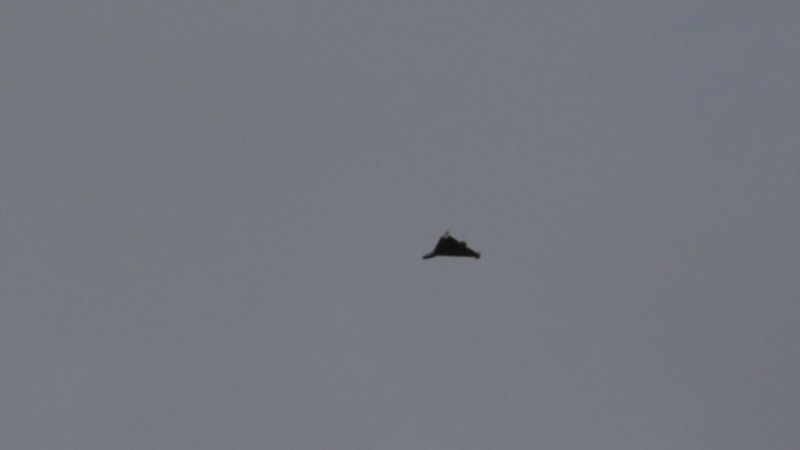
In a significant escalation, Russian forces launched a drone attack on Ukraine during the night of March 17, deploying 178 strike drones, including approximately 110 Shahed drones, according to the Ukrainian Air Force.
As of 8:00 AM, preliminary reports indicated that Ukrainian air defenses had intercepted or neutralized 154 of the hostile drones. The military confirmed that 22 strike drones struck 12 locations, with debris from downed drones landing in two areas.
The Air Force warned that the assault was ongoing, with multiple drones still present in Ukrainian airspace. Russian military forces have consistently targeted Ukrainian cities and civilian infrastructure using a variety of weapons, including strike drones, missiles, and multiple rocket launch systems.
Ukrainian authorities and international organizations have categorized these attacks as war crimes, emphasizing their deliberate nature. The strikes on essential services and healthcare facilities aim to deprive civilians of electricity, heating, water supply, communication, and medical assistance, which some legal experts argue constitutes genocidal actions.
During this extensive conflict, various forms of violence against Ukrainian citizens have been reported, raising concerns about potential genocide. Legal scholars and human rights advocates point to several indicators, including:
- Public declarations by Russian officials denying the existence of Ukrainians as an ethnic group.
- Incitement to eliminate those who identify as Ukrainian.
- Targeted attacks on essential services and healthcare facilities.
- Persecution of pro-Ukrainian individuals in occupied territories.
- Efforts to eradicate Ukrainian culture and intellectualism.
- Forced indoctrination of children in occupied areas.
- Deportation of children to Russia to alter their identities.
- Destruction of Ukrainian literature and cultural artifacts.
The 1948 United Nations Convention on the Prevention and Punishment of the Crime of Genocide mandates that signatory countries, of which there are currently 149, must prevent and punish acts of genocide during both wartime and peacetime.
This convention defines genocide as actions intended to destroy, in whole or in part, a national, ethnic, racial, or religious group. Key indicators of genocide include the killing of group members, causing serious bodily or mental harm, deliberately inflicting conditions calculated to destroy a group, preventing births, and forcibly transferring children.
Despite these allegations, Russian leadership continues to deny that its military is intentionally targeting civilian infrastructure or causing civilian casualties.
A recent drone attack by Russian forces on Ukraine has raised alarms over potential war crimes, with Ukrainian officials asserting that the strikes specifically target civilian infrastructure. Legal experts are increasingly concerned about the implications of these actions, which they argue may amount to genocide under international law.