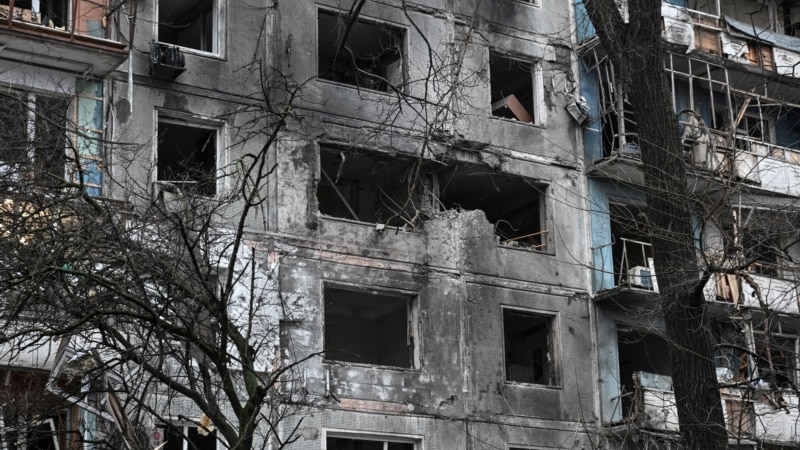
A recent drone strike in Zaporizhzhia has resulted in significant disruptions to essential services, leaving nearly 16,000 residential customers and 38 businesses without electricity. Additionally, over 25,000 residents are currently without heating, according to Ivan Fedorov, the head of the regional military administration.
Fedorov reported that specialists are actively working to restore power and heating services, though no information regarding casualties has been released. Eyewitnesses noted that smoke was seen rising in the aftermath of the attack.
The Russian military has been consistently targeting Ukrainian cities and infrastructure using various types of weaponry, including drones, missiles, and artillery systems. These attacks have drawn international condemnation, with Ukrainian officials and global organizations categorizing them as war crimes due to their deliberate nature.
Authorities assert that the assaults on critical infrastructure, including energy and healthcare facilities, aim to deprive civilians of basic necessities such as electricity, heating, water supply, and medical care. Legal experts and human rights advocates argue that these actions may constitute genocidal acts against the Ukrainian population.
During the ongoing conflict, Russian officials have made statements suggesting the elimination of Ukrainian identity, further intensifying concerns about the humanitarian implications of the war. These statements, coupled with targeted attacks on civilians, have led to accusations of genocide, as defined by the 1948 UN Convention on the Prevention and Punishment of the Crime of Genocide.
The Convention obligates its 149 member states to prevent and punish acts of genocide both during wartime and in peacetime. It defines genocide as actions aimed at destroying, in whole or in part, a national, ethnic, racial, or religious group.
Indicators of genocide include the killing of group members, causing serious bodily or mental harm, deliberately inflicting living conditions calculated to bring about a group’s destruction, and public incitement to commit such acts. Despite the evidence presented, Russian leadership continues to deny that its military is intentionally targeting civilian infrastructure, claiming that it does not engage in actions that harm non-combatants.
A drone strike in Zaporizhzhia has left thousands without power and heating, prompting urgent restoration efforts. Ukrainian officials classify these attacks as war crimes, raising concerns of genocidal actions against civilians amid ongoing conflict.