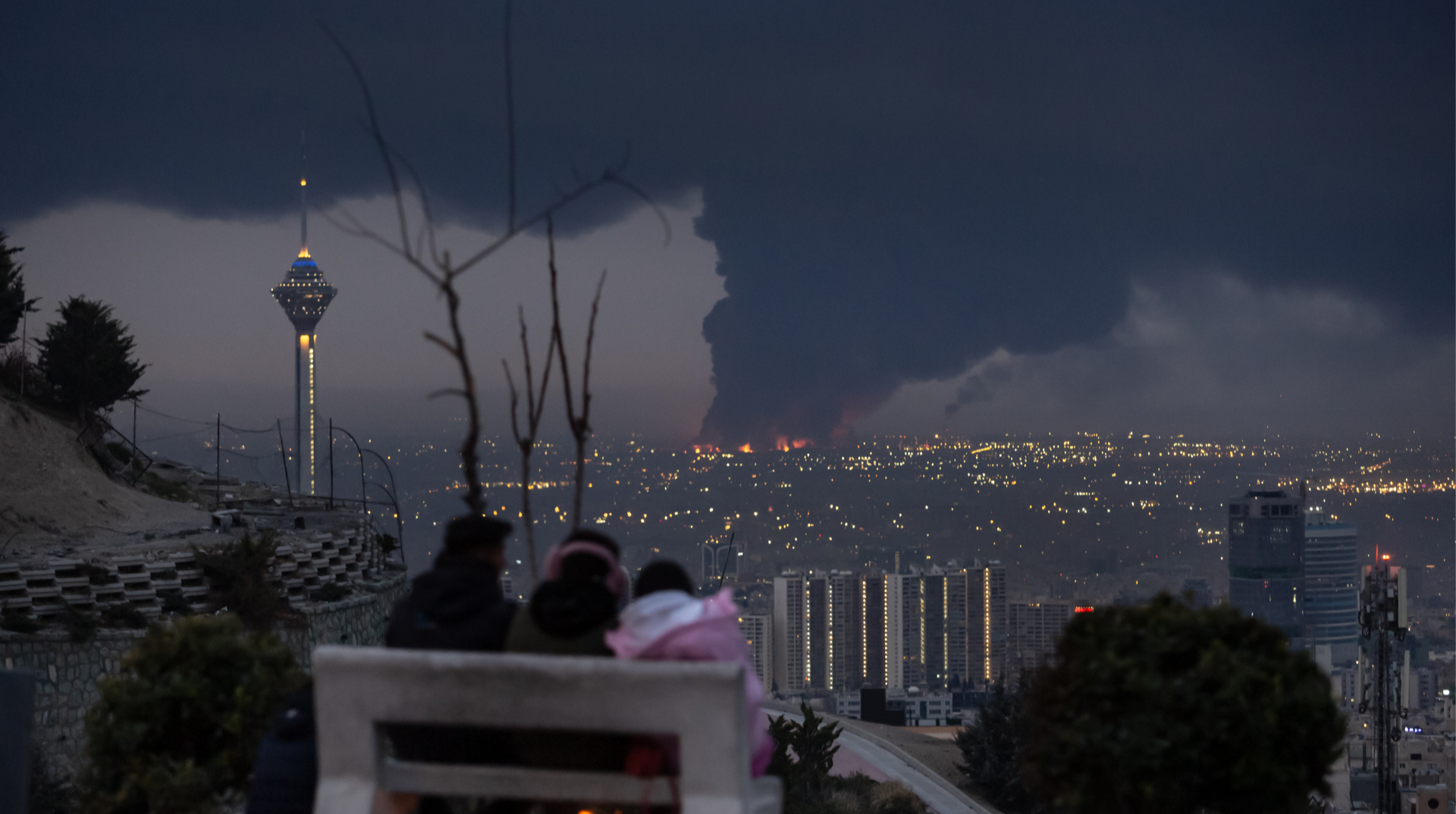
The United States Central Command has reported that American forces have conducted strikes on more than 5,000 targets in Iran since the commencement of military operations on February 28. This extensive campaign has primarily focused on locations associated with ballistic missile launch sites, air defense systems, and facilities linked to the Islamic Revolutionary Guard Corps.
Additionally, the command indicated that over 50 Iranian vessels have been damaged or destroyed during these operations. This escalation in military action has prompted discussions among U.S. officials regarding the potential need to de-escalate the conflict.
Advisors to President Trump are reportedly urging a swift conclusion to the military engagement, citing concerns that a prolonged conflict could lead to a spike in oil prices and provoke a political backlash affecting upcoming Congressional elections. Recent polling data reveals that public support for the operation against Iran stands at only 27% among American citizens.
In response to the military actions, a group of Senate Democrats has threatened to impede legislative processes unless the Trump administration agrees to provide testimony regarding the war efforts against Iran. This move underscores the growing political tensions surrounding the military strategy and its implications for U.S. governance.
The U.S. military has engaged in extensive operations against Iran, targeting key military installations and vessels. Amidst declining public support and political pressures, discussions are emerging regarding the potential for de-escalation of the conflict.